Your Home Energy Resilience Cheat Sheet
Thinking about how to make your home more reliable when it comes to energy? It can feel like a big task, but breaking it down makes it manageable. This guide is here to help you figure out the best steps for your place. We’ll cover everything from checking what you’ve got now to planning for the future, so you can feel more secure about your home’s energy situation. It’s all about making smart choices, one step at a time.
Key Takeaways
- Start by understanding your home’s current energy use with an audit. Check for air leaks, insulation issues, and how well your ductwork is doing. Also, see if your electrical panel can handle more.
- When upgrading, think about efficient electric appliances like heat pumps. Smart electrical panels can also help manage power use without immediate, big upgrades.
- Look into your utility company’s plans. Understanding things like time-of-use billing can help you save money by using power when it’s cheaper.
- Improving your home’s weatherization, like sealing leaks and adding insulation, is a solid way to reduce energy waste and stay comfortable.
- Consider backup power options such as battery storage or even microgrids, especially if you live in an area prone to outages. Integrating renewable energy sources can also boost your home’s independence.
Understanding Your Home’s Energy Landscape
Before you start making big changes to your home’s energy setup, it’s a good idea to get a clear picture of what’s happening now. Think of it like checking your car’s engine before a long road trip. You wouldn’t just hit the gas and hope for the best, right? Your home’s energy system deserves the same kind of attention.
Conduct A Comprehensive Home Energy Audit
This is your starting point. A home energy audit is basically a check-up for your house’s energy use. It looks at how your home uses electricity, gas, and water, and where you might be losing energy without even knowing it. It’s the best way to find out where your money is going energy-wise. You can do a basic one yourself by walking around and looking for obvious drafts or checking appliance age, but for a real deep dive, you’ll want to get a professional assessment. They often use special tools to find hidden problems. Getting a good audit is the first step to making smart upgrades that actually save you money and make your home more comfortable. You can find more info on what an audit entails here.
Assess Ductwork For Leaks And Sizing
Your ductwork, the system that moves heated or cooled air around your house, is often overlooked. But leaky or poorly sized ducts can be a huge energy drain. Imagine trying to fill a bucket with holes in it – that’s what your HVAC system is doing if your ducts aren’t sealed up tight. It means your system has to work harder, using more energy, to get the air where it needs to go. Sometimes, even a new, efficient HVAC system won’t perform well if the ducts are in bad shape. Checking and fixing these can make a noticeable difference in how warm or cool your home feels and how much you pay on your utility bills.
Evaluate Electrical Panel Capacity
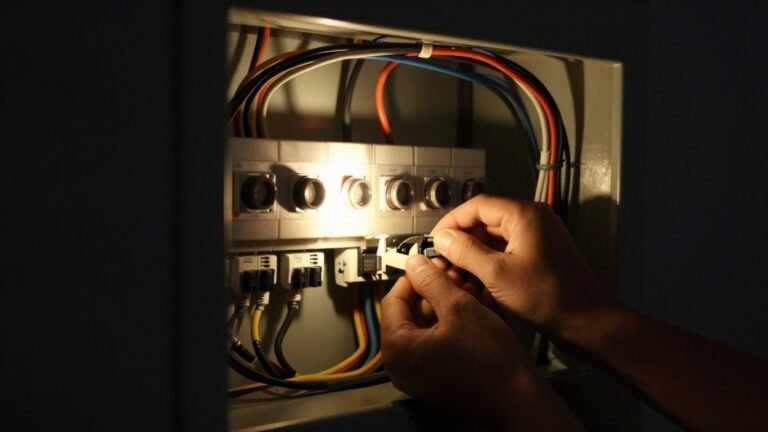
As we think about adding more electric appliances, like heat pumps or electric vehicle chargers, it’s important to know if your home’s electrical panel can handle the extra load. An older panel might not have enough capacity, and trying to run too many things at once could cause problems. Sometimes, you might need a panel upgrade, which can be a big job. But there are also smart electrical panels and load management systems that can help you manage power usage without immediately needing a costly service upgrade. It’s all about making sure your electrical system is ready for the future.
Understanding your home’s current energy situation is like getting a map before you start a journey. It shows you the best routes, potential roadblocks, and helps you plan your stops wisely. Without this map, you might end up going in circles or wasting fuel.
Strategic Appliance And System Upgrades
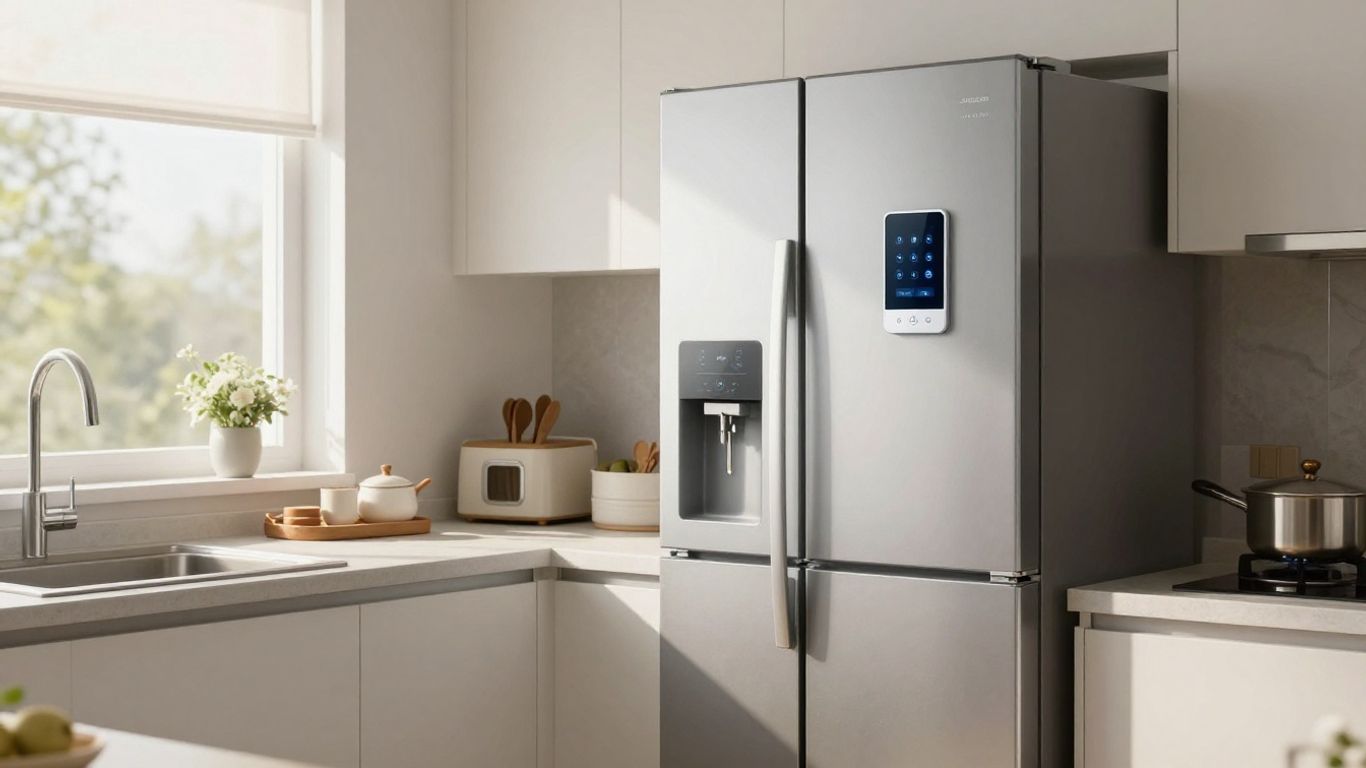
When you’re thinking about making your home more energy-efficient and resilient, upgrading your appliances and core systems is a big part of the puzzle. It’s not just about swapping out an old fridge for a new one; it’s about choosing technologies that work smarter and use less energy overall. Prioritizing efficient electric appliances is a smart move for both your wallet and the planet.
Prioritize Efficient Electric Appliances
Lots of folks are moving away from gas appliances, and for good reason. Electric options have gotten way better, especially when you pick the energy-saving models. Think about things like heat pump water heaters – they’re super efficient at heating your water. Induction cooktops are another great choice; they heat up fast and are more efficient than traditional electric stoves. When you’re shopping, look for the ENERGY STAR label. It’s a good indicator that you’re getting something that performs well and doesn’t guzzle electricity. You might be surprised at the variety of eligible appliances and home upgrades available to help you save energy [51a5].
Explore Heat Pump Technology
Heat pumps are really changing the game for home heating and cooling. Unlike furnaces that burn fuel, heat pumps move heat from one place to another. In the winter, they pull heat from the outside air (even when it’s cold!) and bring it inside. In the summer, they reverse the process, moving heat from inside your house to the outside. This makes them incredibly efficient for both heating and cooling. They’re also a fantastic option for water heating. Upgrading to a heat pump system can significantly cut down on your energy use compared to older, less efficient systems.
Consider Smart Electrical Panels
As we bring more electric appliances into our homes, like electric vehicles or induction stoves, our electrical panels can get overloaded. Instead of immediately jumping to a costly panel upgrade, consider a smart electrical panel. These panels can help manage the flow of electricity to different parts of your house. They can automatically adjust power to non-essential circuits if the demand gets too high, preventing an outage without needing a bigger electrical service. Some smart panels even let you monitor and control your home’s energy use right from your phone. Small smart upgrades, like a switch for an EV charger, can make a big difference in preventing overloads and keeping your system running smoothly [b35a].
Upgrading your home’s systems is a marathon, not a sprint. It’s wise to plan these projects, especially if you’re looking to take advantage of available rebates and incentives. Documenting your improvements and coordinating them can help you get the most benefit and potentially save a lot of money.
Optimizing Utility Usage And Costs
So, you’ve made some upgrades, maybe swapped out old appliances for newer, more efficient ones. That’s great! But how do you make sure you’re not just spending more money on electricity or gas without seeing the savings? It all comes down to understanding how you’re billed and when you use your power. It’s not just about having the best gear; it’s about using it smartly.
Review Your Utility Rate Plans
Your utility company likely has different plans, and not all of them are created equal. Some might be a flat rate, while others change based on when you use electricity. It’s worth taking a close look at what’s available. You might be on a plan that’s costing you more than it needs to, especially if your usage patterns don’t match the plan’s structure. Think about it like choosing the right phone plan – you wouldn’t pay for unlimited data if you only ever use Wi-Fi, right? The same logic applies here. Some plans are better suited for folks who are home all day, while others are great if you’re out working most of the time. Checking your utility’s website or even giving them a call can shed some light on this.
Understand Time-Of-Use Billing
This is where things get interesting, and potentially where you can save a good chunk of change. Time-of-use (TOU) billing means the price of electricity changes throughout the day. Generally, it’s more expensive during peak hours (usually late afternoon and early evening when everyone is home and using power) and cheaper during off-peak hours (like overnight or midday). If you have a plan like this, shifting your energy-hungry activities – like running the dishwasher, doing laundry, or charging an electric vehicle – to those cheaper, off-peak times can really add up. It takes a little planning, but the savings are often worth the effort. You can often find information about your specific utility rate plans online.
Utilize Online Bill Simulation Tools
Most utility companies offer tools on their websites that let you simulate your bill. You can plug in your estimated usage and see how different rate plans or usage patterns would affect your monthly cost. This is a fantastic way to experiment without actually changing your plan or your habits. Want to see if running your washing machine at 10 PM instead of 6 PM would save you money? The simulator can show you. It’s like a crystal ball for your energy bills, helping you make informed decisions. This can be especially helpful when considering optimizing thermostat settings for different times of day.
Making small adjustments to when you use energy, especially during peak hours, can significantly impact your overall utility costs. It’s about working with the system, not against it.
Here’s a quick look at how shifting usage might help:
| Activity | Peak Hours (Higher Cost) | Off-Peak Hours (Lower Cost) |
|---|---|---|
| Dishwasher | Avoid | Ideal |
| Laundry | Avoid | Ideal |
| EV Charging | Avoid | Ideal |
| Major Appliance Use | Avoid | Ideal |
Enhancing Home Weatherization

Making your home more weather-tight is a big step towards creating a self-sufficient home and improving your overall home energy security tips. It’s not just about comfort; it’s about making sure your house can handle energy disruptions and extreme weather.
Seal Air Leaks Around Openings
Think of air leaks like tiny holes in a balloon. They let conditioned air out and unconditioned air in, making your heating and cooling systems work overtime. The most common spots are around windows, doors, electrical outlets, and where pipes or wires enter your house. A simple way to check is to feel for drafts on a windy day. For a more thorough check, you can use an incense stick and watch where the smoke blows. Sealing these small gaps can make a surprising difference in your energy bills and comfort.
Improve Attic and Crawl Space Insulation
Your attic and crawl spaces are like the roof and foundation of your home’s energy defense. Heat rises, so a poorly insulated attic can be a major source of heat loss in the winter and heat gain in the summer. Similarly, uninsulated crawl spaces can make your floors cold and allow moisture issues. Adding more insulation, or ensuring existing insulation is properly placed and not compressed, is a smart move. This is a key part of emergency preparedness for homeowners.
Upgrade Windows for Efficiency
Old, single-pane windows are notorious energy losers. If replacing all your windows isn’t in the budget right now, consider adding storm windows or using heavy-duty plastic sheeting and weatherstripping to seal them up during colder months. If you are looking to upgrade, choose double or triple-pane windows with low-E coatings. They might seem like a big expense upfront, but the long-term savings on heating and cooling, plus the added comfort, are usually well worth it. This is one of those home energy security tips that pays off over time.
Building Resilience With Backup Power
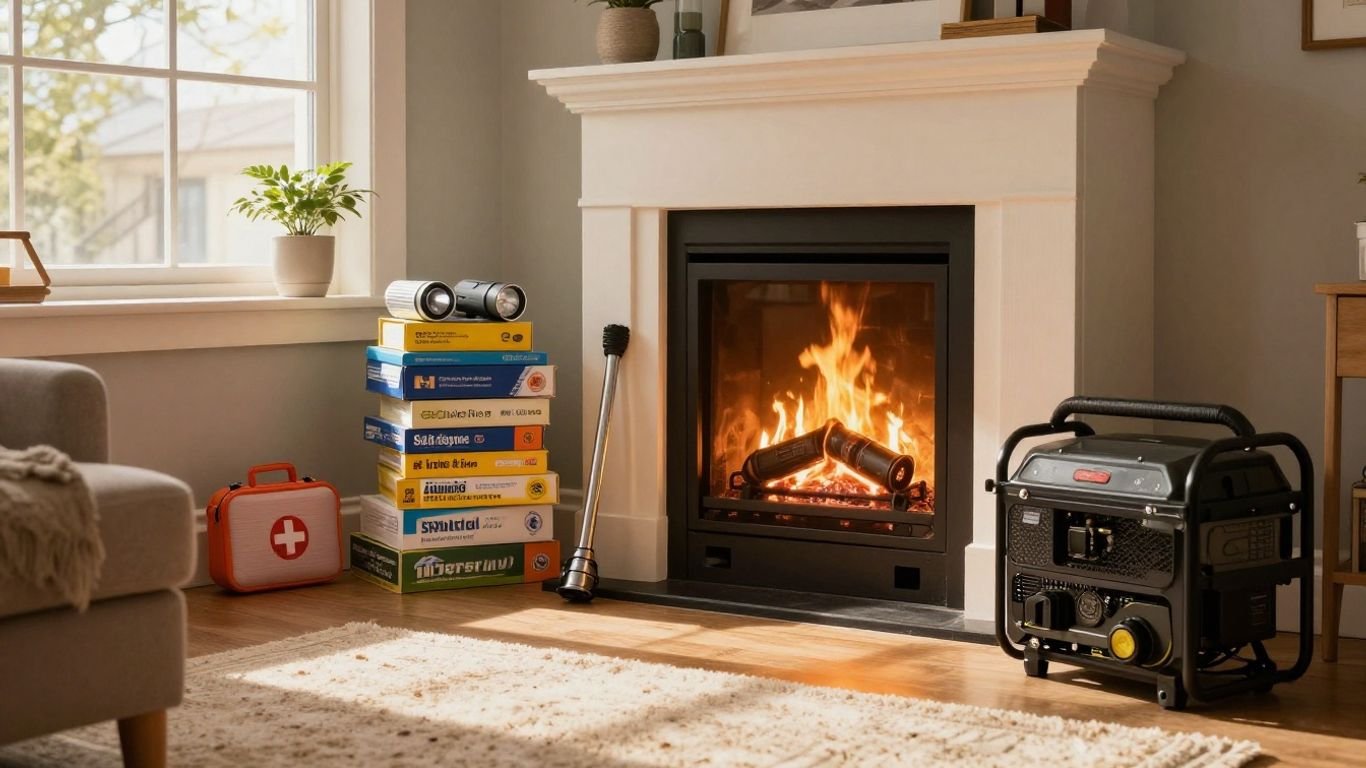
When the lights go out, having a plan for backup power is super important. It’s not just about keeping the fridge cold; it’s about maintaining heat, communication, and security. Thinking about how to prepare home for power outage means looking at a few different options.
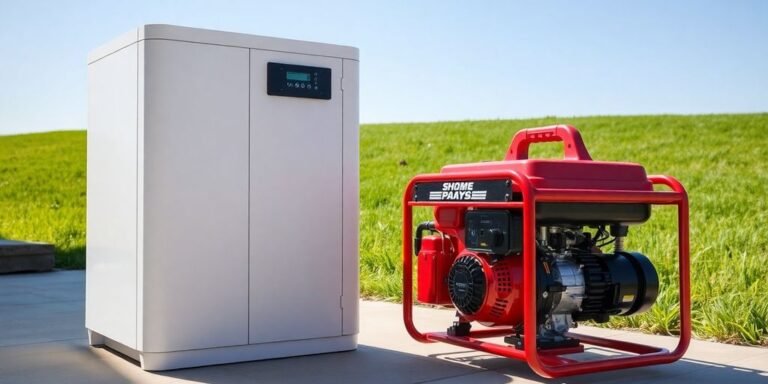
Invest In Battery Storage Systems
Battery storage is becoming a really popular way to keep things running when the grid goes down. These systems store electricity, usually from solar panels or the grid when power is cheap, and then release it when you need it. They’re quiet, don’t produce fumes, and can power essential appliances. Many programs offer incentives to help with the cost, making them more accessible. This is a key step for reliable backup power.
Explore Microgrid Solutions
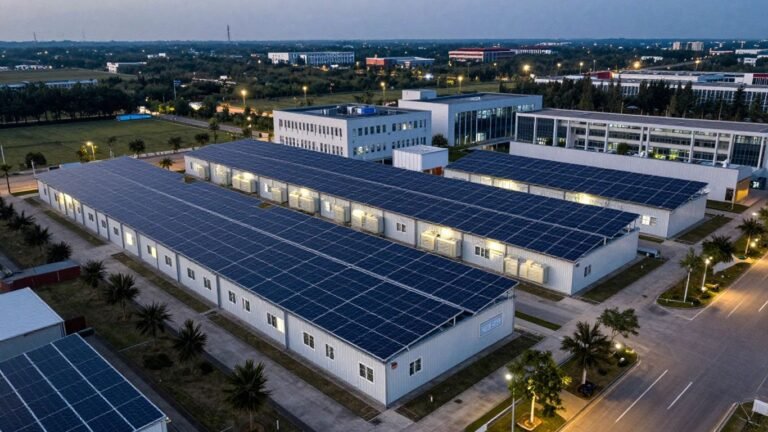
Microgrids are like mini-power grids that can operate independently from the main utility grid. They often combine renewable energy sources, like solar, with battery storage and sometimes a generator. This setup offers a high level of reliability, especially in areas prone to severe weather. Communities and even individual homes can benefit from the self-sufficiency a microgrid provides. They are a great way to build resilience, especially for critical facilities. Learn about microgrid projects
Consider Renewable Energy Integration
Integrating renewable energy sources, like solar panels, is a smart move for long-term energy resilience. While solar panels alone might not power your whole house during an outage without storage, they significantly reduce your reliance on the grid and can help recharge batteries. Combining solar with battery storage creates a robust system that can keep your home powered, even when the main grid is down. It’s a way to generate your own power and reduce your energy bills over time. When thinking about backup power solutions for house, renewables are a big part of the picture.
Having a backup power strategy isn’t just a luxury; it’s becoming a necessity. It means having the ability to keep essential systems running, maintain comfort, and stay connected during unexpected disruptions. Planning ahead can make a huge difference in how smoothly you get through an outage.
Planning For Future Energy Needs
Thinking ahead about your home’s energy is smart. It’s not just about the next bill, but about making sure your house stays comfortable and powered, no matter what. This means keeping track of what you’ve done and what you plan to do.
Document Your Home Improvement Projects
It sounds simple, but writing down the upgrades you make is really important. Keep a folder or a digital file with receipts, manuals, and notes about any energy-related work. This includes things like:
- New insulation installed (where and R-value)
- Window replacements (type of window, U-factor)
- Appliance upgrades (model numbers, efficiency ratings)
- Any solar panel or battery system installations
- Air sealing work done
This record helps you remember what’s in your home and can be super useful if you ever need to troubleshoot or want to make more improvements. It also helps when it’s time to sell your house.
Coordinate Projects For Maximum Benefit
Sometimes, doing one project can make another one even better. For example, if you’re planning to upgrade your heating system, it makes sense to do it after you’ve improved your home’s insulation and sealed air leaks. A more efficient heating system will perform even better in a well-sealed, well-insulated house. Think about how different upgrades work together. Planning these steps in sequence can save you money and get you better results. It’s like building a puzzle; some pieces fit better when others are already in place. Consider how a home battery backup system might integrate with future solar installations or how upgrading your electrical panel could prepare you for more electric appliances down the line.
Leverage Rebates And Incentives
Governments and utility companies often offer money back or tax breaks for making energy-efficient upgrades. These can really cut down the cost of big projects. You’ll need to check what’s available in your area, as these programs change. Sometimes, you need to apply before you start the work, so doing your homework is key. Keeping good records of your projects will also make applying for these incentives much easier. Don’t miss out on these savings; they’re designed to help you make these improvements.
Planning for the future also means thinking about reliability. If you’re considering backup power, look into how different systems, like generators paired with batteries, can work together. This kind of hybrid approach can offer more consistent power during outages, especially when combined with other resilience measures. It’s about building a robust system that can handle various situations.
Wrapping It Up
So, making your home more resilient and energy-efficient might seem like a big job, but it doesn’t have to be. We’ve covered a lot, from checking your ductwork to thinking about smart appliances and even how utility rates work. The main thing is to take it one step at a time. Start with an energy audit to see where you’re losing power or heat. Then, look into insulation, sealing up leaks, and maybe upgrading those old appliances. Don’t forget to check out any rebates or tax credits that could help with the costs. It’s all about making smart choices now so your home is more comfortable and reliable, no matter what the weather throws at you.
Frequently Asked Questions
What’s the first step to making my home more energy-efficient?
The best place to start is by getting a home energy audit. Think of it like a check-up for your house. It helps you see exactly where your home is losing energy, like through leaky windows or poor insulation. This way, you know where to focus your efforts for the biggest improvements.
Why is checking my ductwork so important?
Your air ducts are like the highways for your heating and cooling. If they have leaks or aren’t the right size, a lot of that expensive heated or cooled air escapes before it even reaches your rooms. Fixing them can make a big difference in how comfortable your home is and how much you spend on energy.
What are ‘smart’ electrical panels?
Smart electrical panels are upgrades to your home’s main power box. They help manage the flow of electricity better. Sometimes, they can help you avoid the big cost of upgrading your entire electrical system when you add new, efficient appliances, by managing the power load more smartly.
How can understanding my utility bill help me save money?
Your electricity company often has different plans, like ones where you pay less if you use power during off-peak hours (like late at night). By looking at your utility rate plan and understanding options like ‘time-of-use’ billing, you can shift when you use energy-hungry appliances to save money each month.
What does ‘weatherization’ mean for my home?
Weatherization is all about making your home more sealed and insulated against the outside weather. This includes things like sealing up drafts around windows and doors, adding more insulation to your attic, and making sure your windows are energy-efficient. It helps keep your home warmer in the winter and cooler in the summer without using as much energy.
What’s the benefit of battery storage systems?
Battery storage systems act like a backup power source for your home. If the main power goes out, your battery can keep essential things running. Some systems can even store extra energy from solar panels or when electricity is cheaper, and then use that stored energy later, helping you save money and stay powered up.