Cabin Greywater: Going Off-Grid with Your Water
Here are the main things to remember when thinking about an off-grid greywater system for your cabin. These points will help you get started and keep your system running smoothly.
Key Takeaways
- Greywater is water from sinks, showers, and laundry, but NOT toilets or diapers.
- A basic system uses pipes to direct greywater to a gravel trench or French drain.
- Always use biodegradable soaps and cleaners to protect the soil and plants.
- Winter protection, like pipe insulation, is important in colder climates.
- Advanced options like biofilters or greywater gardens can clean water further for reuse.
Understanding Your Off-Grid Greywater System
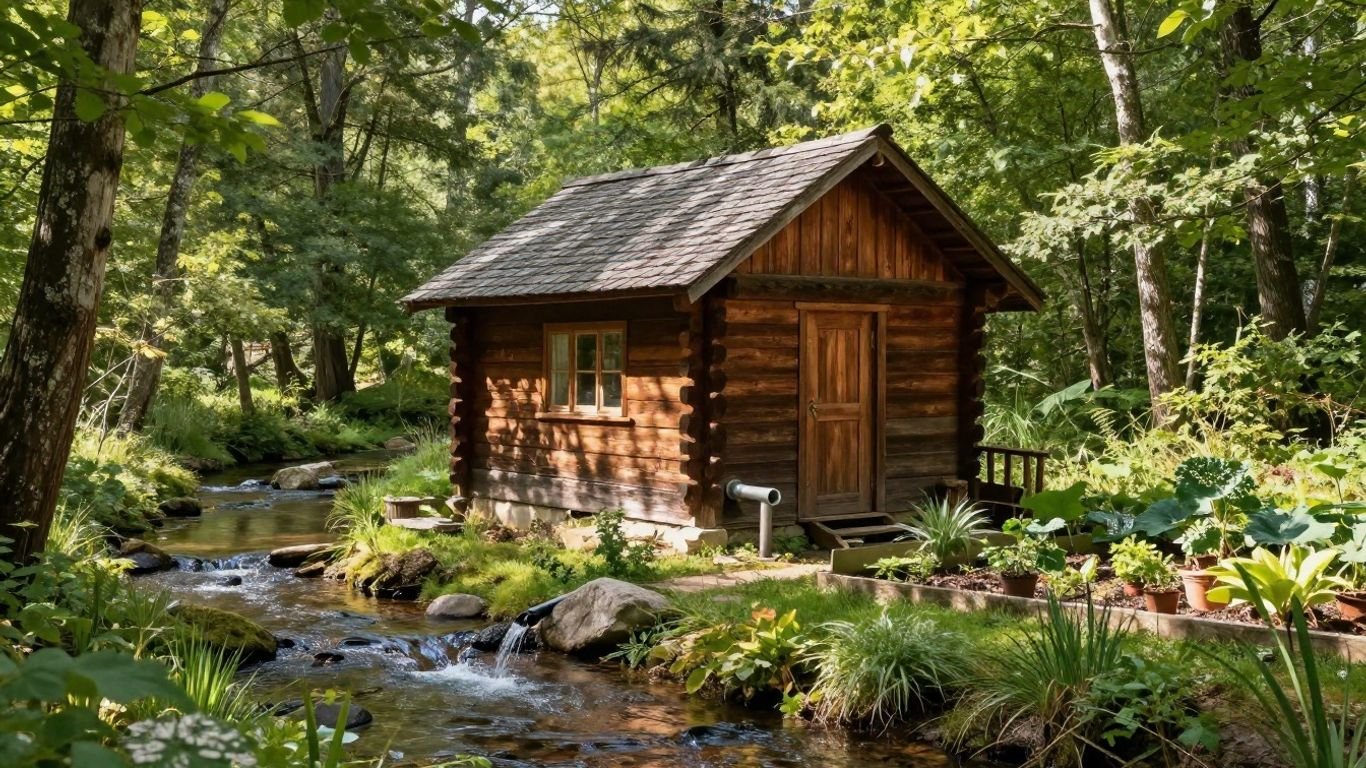
When you’re living off the grid in a cabin, managing water becomes a whole different ballgame. You’re not just thinking about bringing water in; you’re also thinking about what happens to it after you use it. That’s where greywater comes into play. It’s basically the water that goes down your drains, but not from your toilet. Think shower water, sink water from washing hands or dishes, and laundry water. It’s a significant portion of your household’s water usage, and dealing with it smartly is key to off-grid living.
What Constitutes Greywater?
Greywater is all the wastewater generated in your cabin, except for the water from your toilet. This includes:
- Water from showers and bathtubs
- Water from bathroom sinks
- Water from kitchen sinks (though some people separate this if they use a lot of grease or food scraps)
- Water from washing machines
It’s important to distinguish this from blackwater, which is wastewater from toilets and contains human waste. Blackwater requires more intensive treatment, often involving a septic system. Greywater, on the other hand, is generally less contaminated and can often be managed more simply.
Why Greywater Systems Are Essential Off-Grid
Living remotely often means you don’t have access to municipal sewer systems. This leaves you with a few options for wastewater: a septic system, a greywater pit, or a more advanced greywater management system. For cabins, especially those using composting toilets to avoid blackwater issues, a greywater system becomes a practical necessity. It allows you to handle the water you do use without overwhelming your property or the environment. It’s a way to be more self-sufficient and responsible with your resources. You can learn more about building a basic drain for an off-grid cabin here.
The Benefits of Greywater Management
So, why bother setting up a system for this used water? Well, there are some pretty good reasons:
- Reduces Freshwater Demand: By reusing greywater, you cut down on how much fresh water you need to pump, haul, or collect. This is a big deal when every drop counts.
- Protects the Environment: Properly managed greywater keeps contaminants out of local streams, rivers, and groundwater. It’s a way to lessen your impact on the natural surroundings.
- Saves Money: Less reliance on external water sources and potentially avoiding the cost and complexity of a full septic system can save you money in the long run.
- Supports Landscaping: Cleaned greywater can be used to water gardens and trees, especially useful in drier climates or during dry spells. This is a great way to make your water work harder for you.
Managing your greywater effectively is more than just a convenience; it’s a core part of sustainable off-grid living. It shows a commitment to using resources wisely and minimizing your footprint on the land you enjoy.
Think of it as closing the loop on your water usage. Instead of just sending water away, you’re giving it a second life, which is pretty neat when you’re trying to live more simply and in tune with nature. If you’re also looking at collecting rainwater, that’s another great way to boost your water independence here.
Designing Your Cabin Greywater Setup
So, you’re thinking about setting up a greywater system for your cabin. That’s a smart move, especially if you’re aiming for that off-grid life. It’s not as complicated as it sounds, and honestly, it makes a lot of sense for remote properties. The goal is to manage water that’s already been used, but isn’t contaminated with, you know, toilet stuff. This means water from your sinks, shower, and maybe even your washing machine.
Key Components of a Basic System
When you’re starting out, a simple system is usually best. You don’t need a ton of fancy parts. Here’s what you’ll typically need:
- Indoor Plumbing: This is just the regular pipes from your sinks, shower, and laundry that carry the water away.
- A Filter: Something to catch the bigger bits – hair, soap scum, maybe food scraps if you’re using kitchen sink water. A simple gravel pit or a mesh screen can do the trick.
- Drainage Pipes: These carry the filtered water to where it can be dispersed.
- Dispersal Area: This is where the water soaks into the ground. Think of a gravel trench or a simple French drain.
For a basic setup, you might not even need a surge tank, especially if you don’t have a washing machine that uses a lot of water at once. But if you do, a small tank can help even things out. It’s all about making sure the water has somewhere to go without overwhelming your system. This is a big part of cabin greywater recycling.
Choosing the Right Drainage Area
This is super important. You don’t want to just dump water anywhere. Look for a spot on your property that’s downhill from your cabin. It needs to be a good distance away from any wells, streams, or other water sources. You also want soil that can absorb water well. Sandy or loamy soil is better than heavy clay. A good rule of thumb is to have the drainage area at least a foot deep and filled with gravel to help with filtering and absorption.
Remember, the idea is to let the water soak back into the earth naturally. You’re not creating a pond; you’re helping the land use the water. Always check local regulations, though; some places have rules about how close drainage can be to property lines or water bodies.
Integrating Filtration for Cleaner Water
While a basic gravel filter is okay, you can get more out of your greywater by adding better filtration. This is where you start thinking about what you’re putting down the drain. Using biodegradable soaps and detergents is a must. They break down much easier and are less harmful to the soil and any plants that might be nearby. For a bit more advanced filtering, you could look into systems that use wood chips or even specialized biofilters. These can remove more particles and make the water cleaner before it disperses. Some people even use systems like the Aqua2use GWDD for a more polished approach to cabin greywater recycling.
Here’s a quick look at some options:
| Filtration Level | Components |
|---|---|
| Basic | Gravel pit, mesh screen |
| Intermediate | Wood chip filter, larger gravel beds |
| Advanced | Biofilter media, commercial filter units |
Choosing the right level depends on your budget, how much greywater you produce, and what you plan to do with the water afterward. If you’re just dispersing it, basic might be fine. If you’re thinking about reusing it for irrigation, you’ll want to step it up.
Implementing Your Off-Grid Greywater Solution
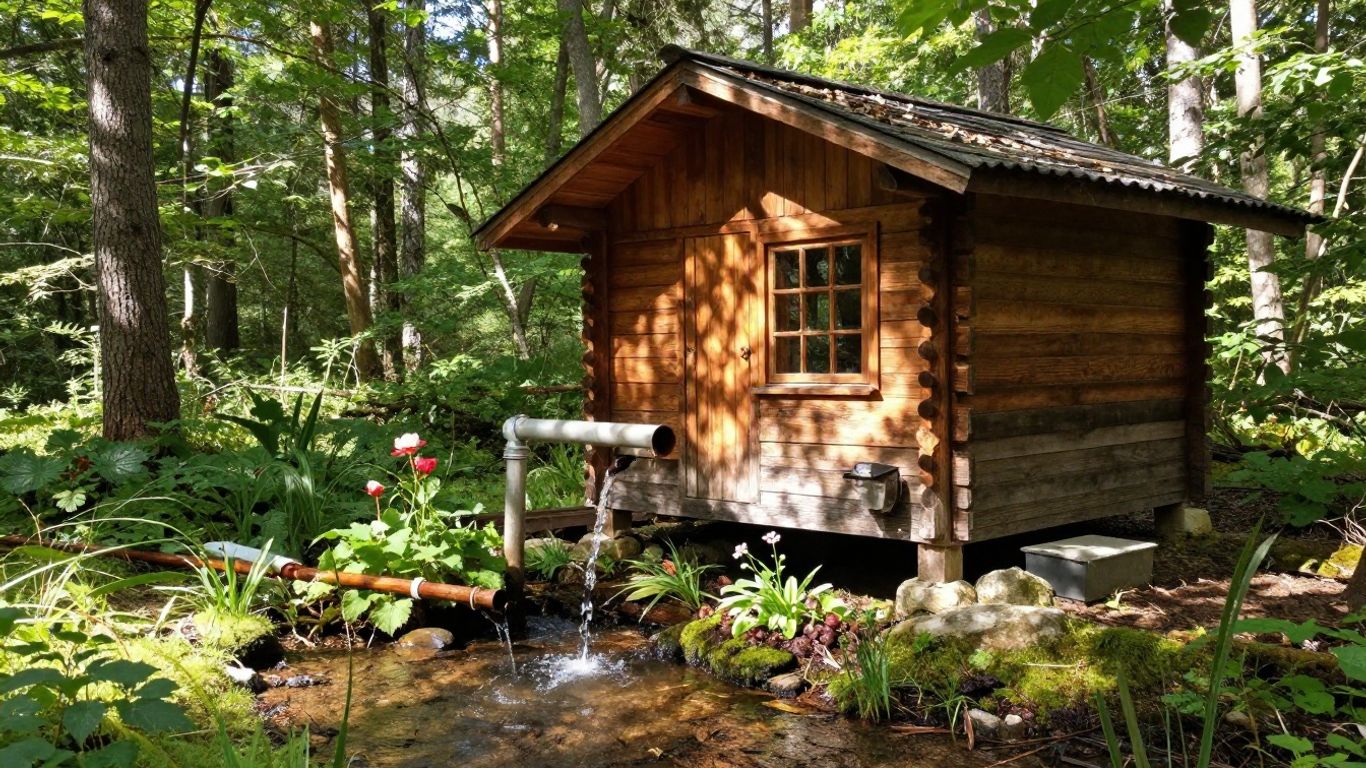
So, you’ve got your greywater system components picked out, and you’re ready to put it all together. This is where the rubber meets the road, so to speak, for your sustainable water systems for remote homes. It’s not rocket science, but a little care goes a long way to making sure it works right and lasts.
Step-by-Step Installation Guide
Putting together your DIY greywater systems for small structures doesn’t have to be a headache. Here’s a breakdown of how to get it done:
- Pick Your Spot: Find a downhill area near your cabin, but well away from any water sources like wells or streams. Dig it out at least a foot deep and fill it with gravel. This helps the water soak into the ground cleanly.
- Lay the Pipes: Connect the pipes from your sinks and shower. Run a main pipe out of the cabin, then switch to perforated pipes buried in the ground. Make sure there’s a gentle slope so the water flows steadily, not too fast.
- Add a Filter: Before the water hits the ground, put in a simple filter. A box filled with wood chips, gravel, or even some filter fabric can catch hair and food bits. For a bit more polish, you could look into something like the Aqua2use GWDD off grid water management solutions.
- Winterize It: If you’re in a colder climate, you’ll need to think about freezing. Burying pipes deeper and adding insulation, like styrofoam sheets, can keep things flowing when the temperatures drop.
- Install a Diversion Valve: This is a handy little addition. A valve lets you choose whether to send the greywater to your drain field or divert it to a bucket. This is super useful for watering plants directly during drier months.
Considering Winter Protection Measures
Winter can be tough on any outdoor plumbing. For greywater systems, the main concern is freezing. You don’t want your pipes to become solid blocks of ice. Burying your main drain lines deeper than the typical frost line is a good start. Adding a layer of insulation, like rigid foam board or even straw bales around the pipes, can make a big difference. Some folks even use heat tape on critical sections, though that uses electricity, which might not be ideal for a truly off-grid setup. The goal is to keep that water moving, even when it’s cold out.
Adding a Diversion Valve for Flexibility
Think of a diversion valve as your greywater system’s "choose your own adventure" button. It’s a simple plumbing fitting that lets you redirect the flow of water. You can set it up to send water straight to your leach field or French drain for general dispersal. Or, you can flip the switch and collect the water in barrels or buckets. This collected water is great for targeted irrigation, especially for vegetable gardens or fruit trees. It gives you more control over how you use your reclaimed water, making your system more adaptable to different needs throughout the year.
Managing greywater is a key part of living sustainably off the grid. It’s about being smart with resources and reducing your impact on the environment. Even simple systems can make a significant difference in how much fresh water you use and how you handle wastewater.
Advanced Greywater Options for Cabins
Exploring Biofiltration Systems
Beyond the basic gravel pit, biofiltration systems take greywater treatment up a notch. These systems use natural biological processes to clean the water before it’s dispersed. Think of it like a mini wetland right there on your property. Materials like sand, gravel, and specific plants work together to break down contaminants. This is especially useful if you’re reusing shower water in cabins and want a higher quality output. These systems can be quite effective at removing soaps and other organic matter, making the water safer for landscape irrigation.
Greywater Gardens and Their Benefits
Greywater gardens are a fantastic way to give your used water a second life. Instead of just letting it drain away, you can direct it to nourish your plants. This is a smart move for off-grid living where every drop of water counts. You can set up simple mulch basins around trees or create more elaborate reed beds. The key is to use biodegradable soaps and detergents to avoid harming your plants or the soil. This method significantly reduces your demand for fresh water, especially during dry spells. It’s a win-win for your garden and your water conservation efforts.
Comparing DIY vs. Pre-Built Solutions
When it comes to advanced greywater, you’ve got choices. You can go the DIY route, which often involves building your own biofilter or greywater garden. This can be cost-effective, with basic setups potentially costing between $300-$600. On the other hand, pre-built systems, like the Aqua2use GWDD, offer a more streamlined approach. These units can range from $599 to over $1,400, but they often come with engineered designs for better performance and easier installation. For those looking for a complete wastewater solution without the hassle of a full septic permit, these pre-built options are worth considering. They can be a great way to manage reusing shower water in cabins effectively.
Here’s a quick look at some costs:
| Setup Type | Estimated Cost |
|---|---|
| DIY French drain w/ filter | $300–$600 |
| Aqua2use GWDD | $599–$950 |
| Aqua2use Pro | $1,400+ |
Choosing the right system depends on your budget, the volume of greywater you produce, and how much effort you want to put into installation and maintenance. For remote cabins, simplicity and reliability are often top priorities.
Maintaining Your Greywater System
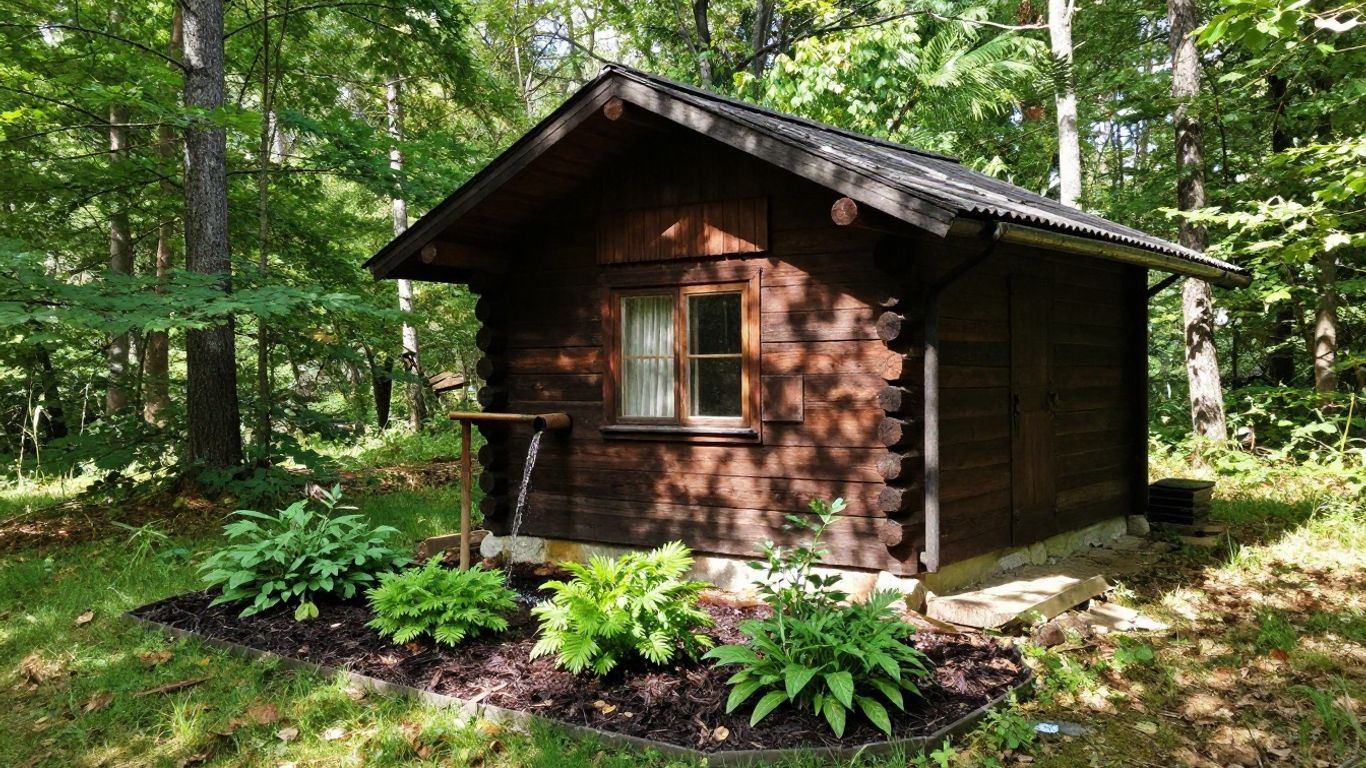
Keeping your off-grid greywater system running smoothly is pretty straightforward, but it does need a little attention now and then. Think of it like tending a small garden; a bit of regular care goes a long way in keeping things healthy and productive. The goal here is to keep the water flowing cleanly and prevent any yucky buildup that could cause problems down the line.
Choosing Biodegradable Cleaning Products
This is probably the most important thing you can do for your system. Using the right soaps and cleaners makes a huge difference. You want to stick to products that break down easily in the environment. That means avoiding anything with harsh chemicals, antibacterial agents, or petroleum-based ingredients. These can harm the soil, kill beneficial microbes, and even damage plants if you’re using your greywater for irrigation. Look for labels that say "biodegradable" or "eco-friendly." Even simple dish soap and laundry detergent can be found in versions that are much kinder to your system and the land around your cabin. It’s a small change in your shopping habits that has a big impact on your greywater’s health.
Regular System Checks and Upkeep
Checking on your system periodically helps catch small issues before they become big headaches. Here’s a quick rundown of what to look for:
- Filters: If you have a filter box or screen, give it a look every few months. Pull out any accumulated hair, lint, or food bits. Cleaning these out prevents clogs and keeps the water flowing freely.
- Drainage Area: Walk around your dispersal area. Does it look waterlogged? Are there any foul odors? If so, the water might not be draining as well as it should. You might need to add more gravel or check for blockages in the pipes.
- Pipes: Just give the visible pipes a quick glance. Are there any obvious leaks or cracks? While most of your system is buried, sometimes issues can show up at the transition points.
- Diversion Valve: If you have a diversion valve, test it out occasionally to make sure it switches smoothly between discharge and irrigation modes.
Ensuring Environmental Safety
Your greywater system is designed to work with nature, not against it. That means being mindful of where your water is going and what’s in it. Never let greywater pool near your drinking water source or any natural waterways. Even treated greywater can carry some level of contaminants. If you’re using your greywater for watering plants, be sure to use it on non-edible vegetation, especially if you’re not using a highly advanced filtration system. This practice helps protect your water supply and keeps the local ecosystem healthy. It’s all about responsible water use, which is a big part of living off-grid and being a good steward of your land.
Conclusion
Setting up an off-grid greywater system for your cabin is a smart move. It’s good for the environment and can save you money. Whether you go with a simple drain field or a more complex filter, managing your greywater responsibly is key to living off the grid. With a little planning and the right setup, you can make your cabin life more sustainable and enjoyable. It’s all about working with nature, not against it, and making the most of the resources you have.
Frequently Asked Questions
What exactly is greywater?
Greywater is the used water from your sinks, showers, and washing machines. It’s called ‘grey’ because it’s not as dirty as ‘blackwater,’ which comes from toilets and contains human waste. You can’t use greywater if you’ve used harsh chemicals or antibacterial soaps, though.
Do I really need a greywater system for my cabin?
If you’re living off the grid, managing your water is super important. A greywater system helps you deal with used water responsibly, keeping it out of places it shouldn’t go and sometimes letting you reuse it for things like watering plants. It’s a practical way to handle waste without a full septic system.
What are the main parts of a simple greywater system?
For a basic setup, you’ll need pipes to collect water from your sinks and shower. Then, these pipes lead to a drainage area, like a gravel-filled trench or a French drain, where the water can soak into the ground.
Can I use regular soaps with a greywater system?
It’s best not to. Regular soaps and detergents can have chemicals that harm plants and soil. Always look for biodegradable soaps. This way, if you decide to water plants with your greywater, it won’t hurt them.
What happens in the winter? Will my greywater system freeze?
Yes, it can! If your cabin gets cold, the water in the pipes might freeze. You might need to insulate your pipes or bury them deeper. Some people just stop using their greywater system during the coldest months or drain the pipes.
Is it hard to build a greywater system myself?
Building a basic system isn’t too difficult. It mostly involves digging a trench and laying some pipes. There are also pre-built systems available if you prefer something ready-made, though they usually cost more.