Microgrids: Your Data Center’s New Backup Hero
Microgrids are becoming increasingly important for data centers needing reliable backup power. Here are the main things to remember:
Key Takeaways
- Microgrids offer a dependable backup power solution for data centers, especially with the growing demand from AI.
- They provide energy independence and resilience, keeping operations running even during grid outages.
- Key components include energy storage, renewable energy sources, and smart control systems for efficient operation.
- Microgrids are being used in various applications, from community resilience to powering edge computing sites.
- The future involves collaborative models and innovative ways to pay for energy to support sustainable growth.
Understanding Microgrid Power For Data Center Backup
The Growing Demand For Data Center Energy
Data centers are the backbone of our digital world, and their energy needs are only going up. Think about all the streaming, cloud computing, and online gaming – it all adds up. This constant demand puts a huge strain on the traditional power grid, making reliable backup power for server rooms more important than ever. We need solutions that can keep up without breaking a sweat.
Addressing The Challenges Of Powering AI
Artificial intelligence (AI) is a game-changer, but it’s also an energy hog. Training AI models requires massive amounts of processing power, which translates directly into significant electricity consumption. This is where microgrid energy for critical infrastructure comes into play. These systems can provide the consistent, high-quality power needed for these demanding applications, preventing costly downtime.
The Limitations Of Traditional Power Solutions
Traditional power grids, while generally reliable, have their limits. When the grid goes down, even for a short time, it can cause major disruptions for data centers. This is especially true for smaller facilities or edge computing sites that might not have the same robust backup systems as larger operations. Relying solely on the utility can be a risky bet. We’re seeing a shift towards more self-sufficient solutions, like those offered by PowerSecure, to fill these gaps. Standard generators, while useful, often have limitations in terms of rapid response and integration with renewable sources, making them less ideal for the dynamic needs of modern IT facilities. Many facilities are looking beyond just basic generator backup, seeking more integrated data center uninterruptible power solutions.
Microgrids: A Resilient Solution For Data Centers
Ensuring Mission-Critical Power
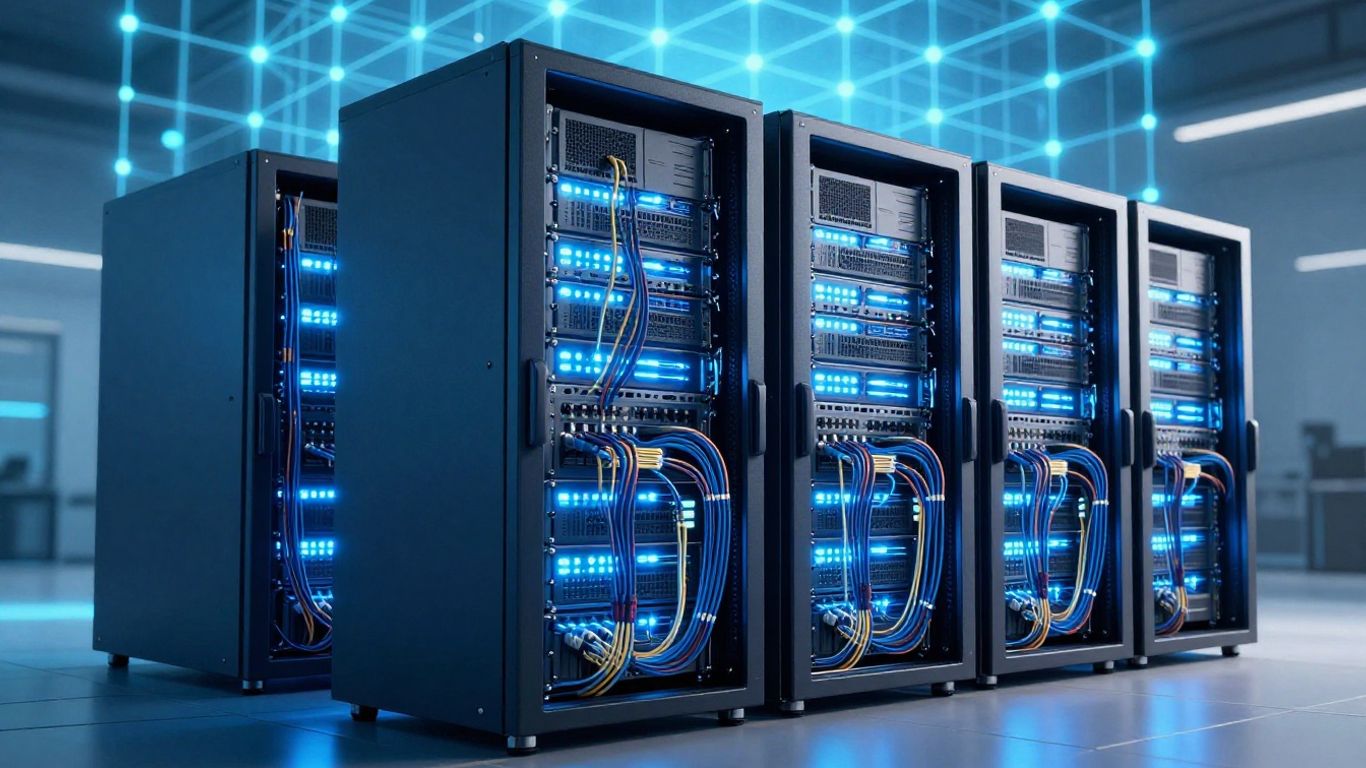
When your data center is humming along, it’s easy to forget about the power grid. It’s just there, doing its thing. But what happens when it’s not? For mission-critical facilities, especially smaller ones or those at the edge, a power blip isn’t just an inconvenience; it can mean lost data, unhappy clients, and serious financial hits. Traditional backup generators are okay, but they have their limits. They take time to kick in, and they’re not always the most efficient. Microgrids change the game by offering a more reliable and responsive power solution. They can keep your operations running smoothly, even when the main grid is down. This is especially important for edge computing sites that might be in remote locations with less stable power infrastructure. Having a microgrid means you’re not at the mercy of external power fluctuations. It’s about taking control of your own power destiny. This is why microgrids are becoming a key solution for enhancing power supply resilience and reliability, offering a robust alternative to traditional power grids [5bfb].
Benefits Of Behind-The-Meter Microgrids
Think of a "behind-the-meter" microgrid as your data center’s private power plant. It’s installed right on your property, meaning you have direct control over it. This setup is fantastic for data centers because it allows for a much higher degree of energy independence. You can manage your power generation, storage, and consumption all in one place. This isn’t just about backup power; it’s about optimizing your energy use. You can use solar panels to generate power during the day and store the excess in batteries. Then, when demand is high or prices are up, you can use that stored energy. This can lead to significant cost savings over time. Plus, it helps reduce your carbon footprint, which is a nice bonus. These systems often incorporate on-site batteries to store surplus electricity, providing a crucial backup power source even in the event of microgrid failure [e173].
Achieving Energy Independence With Off-Grid Systems
For some data centers, especially those in very remote areas or those that need absolute certainty of power, going completely "off-grid" is the ultimate goal. This means the microgrid is not connected to the main utility grid at all. It’s a bold move, but it offers the highest level of power autonomy. You’re not relying on anyone else for your electricity. This kind of setup requires careful planning and robust components, including significant energy storage and reliable generation sources. It’s like having your own private island of power. While it’s a more complex and often more expensive path, the peace of mind and complete control it provides can be invaluable for certain operations. It’s a way to build a truly self-sufficient data center, ready for anything.
Here’s a quick look at what goes into an off-grid system:
- Generation Sources: Solar panels, wind turbines, or generators (like natural gas or diesel) to produce electricity.
- Energy Storage: Large battery banks to store excess energy and provide power when generation is low.
- Control System: Sophisticated software to manage the flow of energy, balance loads, and optimize performance.
- Backup Systems: Redundant generators or other power sources to kick in if primary systems fail.
Key Components Of A Data Center Microgrid
The Role Of Energy Storage
Think of energy storage as the heart of your microgrid. It’s where you keep the power you generate, especially from renewable sources, for when you actually need it. For data centers, this means having a buffer ready for when the main grid flickers or goes down completely. Batteries are the most common type of storage right now, but there are other options too. The right amount and type of storage are key to keeping your servers running without interruption. It’s not just about having power; it’s about having it instantly when the grid fails.
Integrating Renewable Energy Sources
This is where microgrids really shine for data centers looking to be more sustainable. You can hook up solar panels, wind turbines, or even other sources directly to your microgrid. This not only helps reduce your carbon footprint but can also lower your electricity bills over time. The trick is making sure these sources work well with your storage and the rest of the system. It’s about creating a cleaner energy mix that supports your operations. Many businesses are looking into these kinds of solutions to manage their energy costs and environmental impact.
Intelligent Control Systems For Optimization
This is the brain of the operation. An intelligent control system, often called a microgrid controller, is what manages everything. It decides when to pull power from the grid, when to use stored energy, and when to rely on renewables. For a data center, this means making sure the power supply is always stable and efficient. It can also help you save money by intelligently managing when you use power, especially if your utility has different rates at different times of the day. These systems are getting smarter all the time, helping to optimize energy usage and keep things running smoothly.
Real-World Applications Of Microgrids
Community Resilience And Disaster Relief
When disaster strikes, reliable power isn’t just a convenience; it’s a lifeline. Microgrids are stepping up to keep critical community facilities running when the main grid fails. Think about places like emergency shelters, fire stations, or even community centers that can become hubs for aid. For instance, Portland’s Fire Station 1 has a solar-plus-storage microgrid. This setup is designed to keep the lights on and essential equipment powered, especially important as the region faces risks like earthquakes and wildfires. It’s about making sure these places can serve people when they’re needed most.
Microgrids offer a way for communities to maintain essential services during widespread power outages, acting as a backup when traditional infrastructure falters.
These systems are also being used to support disaster relief efforts directly. Organizations like SBP in New Orleans are using microgrids to provide power to areas hit hard by hurricanes. This helps with recovery operations and provides a stable environment for those affected. It’s a practical way to build resilience from the ground up.
Commercial And Industrial Use Cases
Beyond community services, businesses are finding real value in microgrids too. Take a look at Sandbar Solar and Electric. They built their new office facility entirely off-grid. Instead of dealing with the complex and costly process of connecting to the local utility, they opted for a microgrid solution. This gives them full control over their power.
Another example is Valley Wide Beverage. They’re using Generac’s ARC controller to manage their microgrid, specifically to cut down on electricity costs. By optimizing around the utility’s rate structure, especially demand charges and time-of-use pricing, they’re seeing daily savings. It’s a smart way to manage operational expenses.
Here’s a quick look at some business applications:
- Manufacturing: Companies like Haley Brothers are using microgrids for multiple operational benefits.
- Hospitality: The Hotel Marcel is a net-zero facility, powered entirely by its on-site solar and storage microgrid.
- Agriculture: Pacific Aquafarms uses an off-grid microgrid to power pumps and motors for their fish farm, reducing high energy costs.
Edge Computing And Small Data Center Power
For smaller data centers and edge computing sites, maintaining constant power is non-negotiable. These facilities often house critical data and applications that can’t afford downtime. Traditional backup generators have limitations, like fuel storage and maintenance needs. Microgrids offer a more integrated and often cleaner solution.
Imagine a remote cell tower or a small data processing unit at a factory. These sites need reliable power, but connecting them to the main grid might be expensive or impractical. An off-grid microgrid, combining solar panels with battery storage, can provide that consistent power. This is especially relevant for edge computing deployments where processing power is moving closer to the source of data.
These systems can be scaled down to fit the specific needs of smaller operations. They provide the necessary uptime without the massive infrastructure costs associated with large grid connections. It’s about providing mission-critical power where it’s needed most, even in remote or challenging locations.
The Future Of Data Center Power
Collaborative Co-Serve Models
The energy demands of data centers are skyrocketing, especially with the rise of AI. This puts a strain on existing power grids. Traditional models where utilities simply have to meet any demand, known as ‘will-serve,’ aren’t really working anymore. They can lead to massive infrastructure costs that get passed on to everyone, even if a big data center project never actually happens. A shift towards collaborative ‘co-serve’ models is becoming necessary. This means data center developers and utility companies work together. They share the financial risks and responsibilities for building new power infrastructure. Developers might even help secure land or build parts of the grid themselves, speeding things up. It’s about spreading the cost and the workload more fairly, making sure everyone benefits and no single group is left paying for unused capacity.
Innovative Rate-Paying Approaches
Paying for power is changing. Historically, the cost of building new energy infrastructure fell on all customers. Now, utilities are looking at new ways to charge for power, especially for big energy users like data centers. Expect to see more creative tariffs that require commercial and industrial clients to contribute more directly to the costs associated with their energy needs. Embracing these modernized approaches to cost sharing is key. It helps speed up the development of needed energy resources and positions the data center industry as a responsible partner in the community. It’s about paying your fair share to keep things moving forward.
Enabling Sustainable Growth For AI
AI is here, and its power needs are huge. Goldman Sachs Research predicts data center power demand will double between 2022 and 2030. This surge, combined with other growing energy demands, requires significant investment in new power generation. We’re talking about a potential $50 billion investment just for data centers. Microgrids are a big part of the solution, offering resilient and efficient power. They are becoming a standard part of new data center designs, with about 30% of new constructions expected to integrate them. This trend points towards a future where data centers can grow sustainably, meeting the demands of AI without overwhelming the grid. It’s about building a future that supports both technological advancement and reliable energy for everyone. This approach is vital for maintaining economic competitiveness and national security in the digital age. For example, systems like solar backup for water pumps show how localized power generation can be incredibly effective for critical needs.
Conclusion
Data centers are facing a massive surge in power needs, especially with the rise of AI. Traditional power setups just aren’t cutting it anymore. Microgrids are stepping up as a reliable backup hero, offering resilience, energy independence, and a way to manage power more smartly. By integrating storage, renewables, and smart controls, microgrids can keep data centers running smoothly, even when the main grid falters. This technology isn’t just for the big players; it’s becoming a key tool for all sizes of data centers looking to stay online and power the future. Embracing microgrids means embracing a more stable, sustainable, and independent energy future for these critical facilities.
Frequently Asked Questions
What exactly is a microgrid?
Think of a microgrid as a small, local power system that can work on its own or connect to the bigger power grid. It has its own power sources, like solar panels or generators, and usually includes batteries for storing energy. It’s like having your own mini power plant that can keep things running if the main power goes out.
Why do data centers need backup power?
Data centers store and process a lot of important information. If the power goes out, all that work stops, and data can be lost. This is a big problem, especially with things like AI that need constant power. Backup power makes sure the computers and systems stay on no matter what.
How does a microgrid help a data center?
A microgrid acts like a super-reliable backup. When the main power from the utility company fails, the microgrid can instantly switch on and power the data center. This prevents downtime and keeps all the important data safe and accessible. It’s like having a safety net for electricity.
Can microgrids use clean energy?
Yes, absolutely! Many microgrids are designed to use renewable energy sources like solar or wind power. They store this clean energy in batteries. This means data centers can get their backup power from sources that are better for the environment, not just from old-fashioned generators.
Are microgrids expensive for data centers?
Setting up a microgrid can be an investment, for sure. But it can also save money in the long run. By using energy storage and renewables, data centers can lower their electricity bills. Plus, avoiding costly downtime from power outages is a huge financial benefit. It’s about looking at the total picture.
Who is using microgrids for data centers now?
Lots of different places are using them! You’ve got big companies, smaller businesses, and even places like community centers or government buildings that have data needs. They’re being used for everything from keeping important services running during emergencies to just making sure daily operations aren’t interrupted by power problems.