Desert Microgrid Design: Heat, Dust and Water Challenges
Key Takeaways
A desert microgrid succeeds when its design accounts for the conditions at the site—not just the nameplate ratings of its equipment. Start with real demand and local weather, then plan for heat, dust, water constraints, and the people who will operate the system.
- Measure seasonal weather and actual load profiles before choosing equipment.
- Match generation, storage, and backup power to critical loads and operating goals.
- Allow for heat-related performance limits in arrays, batteries, inverters, and controls.
- Treat dust management and water use as ongoing operating costs, not afterthoughts.
- Build maintenance access, monitoring, and clear load priorities into the design.
Assess site conditions and define critical loads
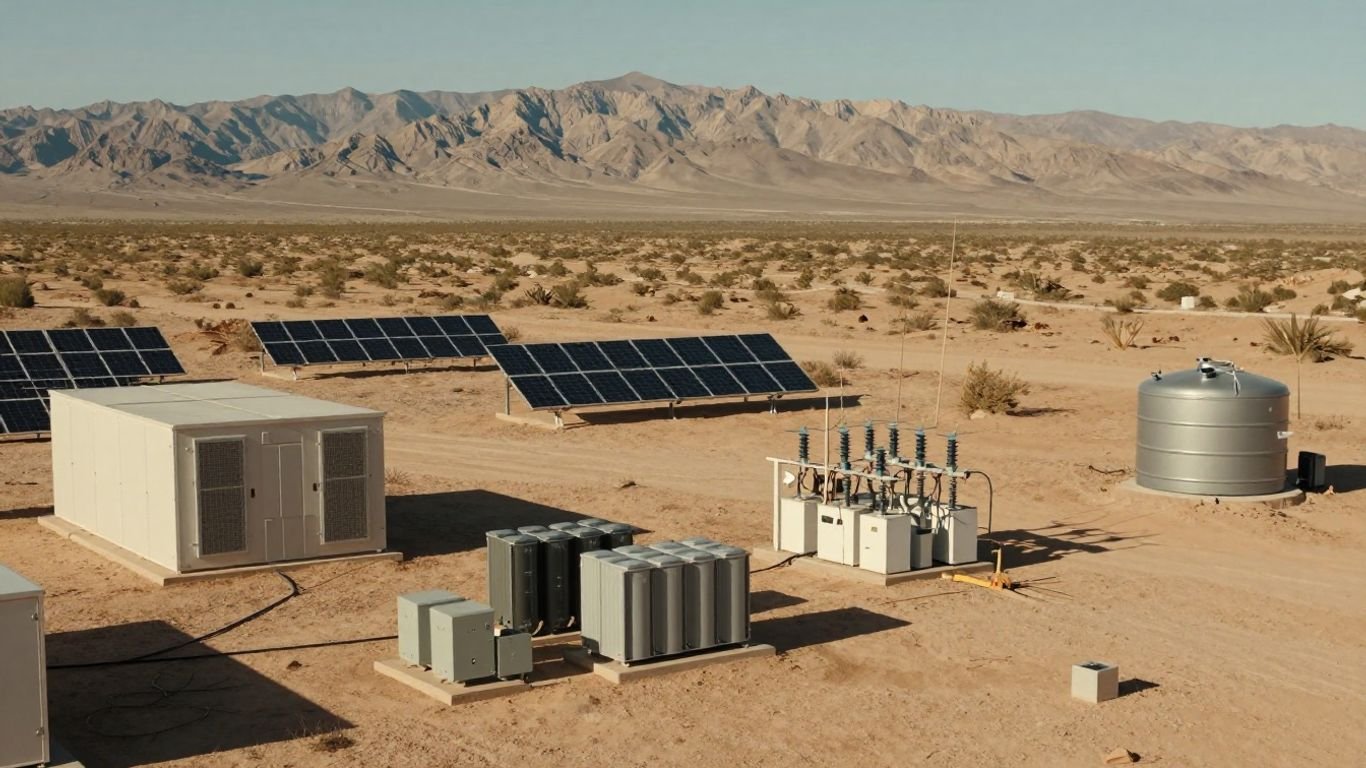
A reliable design begins with a clear picture of the place and the work it must support. In a desert, intense sun can help solar production, while heat, windblown dust, and limited access complicate equipment performance and upkeep. Collecting site and load data early keeps the system grounded in actual operating conditions rather than assumptions.
Map temperature extremes, solar exposure and seasonal weather
Use weather records and on-site measurements to capture more than average conditions. Daily temperature swings, prolonged heat, seasonal cloud cover, wind, and dust events can all affect generation, cooling needs, equipment ratings, and maintenance schedules. Consider how terrain or nearby structures shade an array at different times of year, and distinguish the best solar hours from periods when the site still needs dependable power.
A nearby example can help illustrate why local conditions matter: Borrego Springs’ outage experience describes the vulnerability of a remote desert community when its connection is disrupted. It is context, not a substitute for site-specific weather and electrical data.
Identify critical, deferrable and flexible loads
List each major load and classify what happens if it loses power, can wait, or can shift to another time. A well pump, communications equipment, refrigeration, and safety systems may have very different outage consequences from a discretionary process. The distinction is practical: it tells the designer what the system must protect during a fault and what controls may defer during a long hot spell.
The table below is a starting point for organizing that discussion. Actual classifications should be confirmed with the people responsible for operating the site, since a load that appears flexible on paper may be essential under particular conditions.
| Load category | Typical operating priority | Design question |
|---|---|---|
| Critical | Must remain available | What power quality and backup duration are required? |
| Deferrable | Can pause for a limited period | How long can it wait without causing harm or disruption? |
| Flexible | Can shift or vary with conditions | Which operating window is acceptable? |
| Growth-related | Expected to increase over time | How will added demand be accommodated? |
Use this classification to define the minimum service the microgrid needs to maintain, then revisit it with site operators before sizing the equipment.
Measure demand peaks and expected load growth
Monthly energy totals alone will not show whether the system can handle a brief but demanding start-up or a cluster of loads operating at once. Gather interval data where possible, review equipment start-up behavior, and compare ordinary days with seasonal peaks. Growth matters too: a system designed around today’s demand may become a constraint if planned buildings, pumping, cooling, or production are added.
A useful exercise is to build a load profile for normal operation and a separate profile for the most demanding plausible conditions. This makes it easier to test whether generation, storage, and backup can meet the peak without treating every load as equally urgent.
Check access, terrain, grid connection and fuel logistics
Site access affects construction, maintenance, and how quickly a failed component can be replaced. Survey equipment routes, working areas, drainage, slopes, and the route to any grid connection; also confirm interconnection requirements with the relevant utility. For generator-backed systems, consider the reliability of fuel deliveries, storage arrangements, and the time required to reach the site when weather or road conditions are poor.
Planning resources from other fields sometimes address quite different problems, such as Mental Health First Aid, CRM challenges, a Mt Baden Powell guide, microproduction in Portugal, and Himalayan Shilajit Gummies. Those topics are not engineering evidence; the useful discipline here is to keep design decisions tied to verified site conditions and operating needs.
Choose an architecture and size its components
No single generation mix fits every desert site. The right design depends on the loads, weather, fuel access, grid conditions, and the level of autonomy the operator needs. Compare alternatives against the same operating cases, including extended heat, low renewable output, equipment outages, and periods when fuel or service access is constrained.
Compare solar, wind, generator and storage combinations
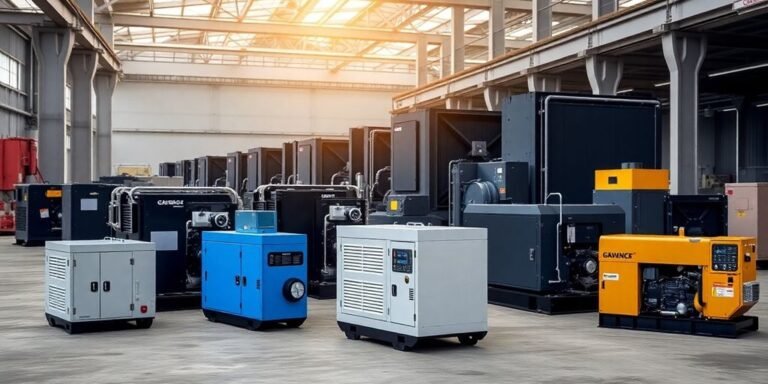
Solar may be a strong resource in an arid location, but the array is only one part of a working system. Wind should be considered only when local measurements and resource data support it. Dispatchable generation can help cover periods when renewable output and stored energy are insufficient, while storage can shift energy and support short-term power needs. The mix should be tested against the site’s specific demand and reliability objectives rather than selected from a generic template.
For a broader view of integrated planning, the 5 MW data center microgrid guide also highlights the importance of starting with measured loads and coordinating architecture, controls, and operations. The scale and use case differ, but the design principle applies: evaluate the complete system, not isolated equipment.
Size photovoltaic arrays for heat-related output losses
Array sizing should use expected operating conditions, not just a panel’s standard test rating. High cell temperatures can reduce photovoltaic output, and dust, orientation, shading, wiring, and inverter limits also affect delivered energy. Model production across representative seasons and include a realistic allowance for performance losses, then check whether the resulting output aligns with load timing and storage needs.
Avoid treating annual energy balance as proof that the system can serve every hour. A good design asks when production arrives, how much can be used directly, and what happens after sunset or during a low-output spell.
Select batteries for capacity, power and operating conditions
Battery capacity describes how much energy can be stored; power describes how quickly it can be delivered. Both matter, along with the intended duration of backup, operating temperature limits, charge and discharge behavior, and the conditions under which the warranty applies. Compare options using the expected duty cycle and hot-weather environment, not capacity alone.
A design should also account for usable energy rather than assume every rated kilowatt-hour is available in normal operation. Coordinating battery sizing with the load priorities developed earlier can prevent oversizing for nonessential demand while preserving meaningful support for critical services.
Plan inverters, switchgear and protection for islanded operation
Islanded operation requires the system to manage voltage and frequency without relying on the grid to stabilize them. Confirm that inverters, generators, switchgear, and protection schemes can coordinate through normal operation, transitions, and faults. Protection settings and control sequences should be reviewed together, since a component that performs well by itself may not behave as intended within the full electrical system.
The essential microgrid components overview provides additional background on how generation, storage, inverters, and safety equipment fit together. For a desert project, coordination and maintainability remain as important as the component list.
Manage heat across generation, storage and controls
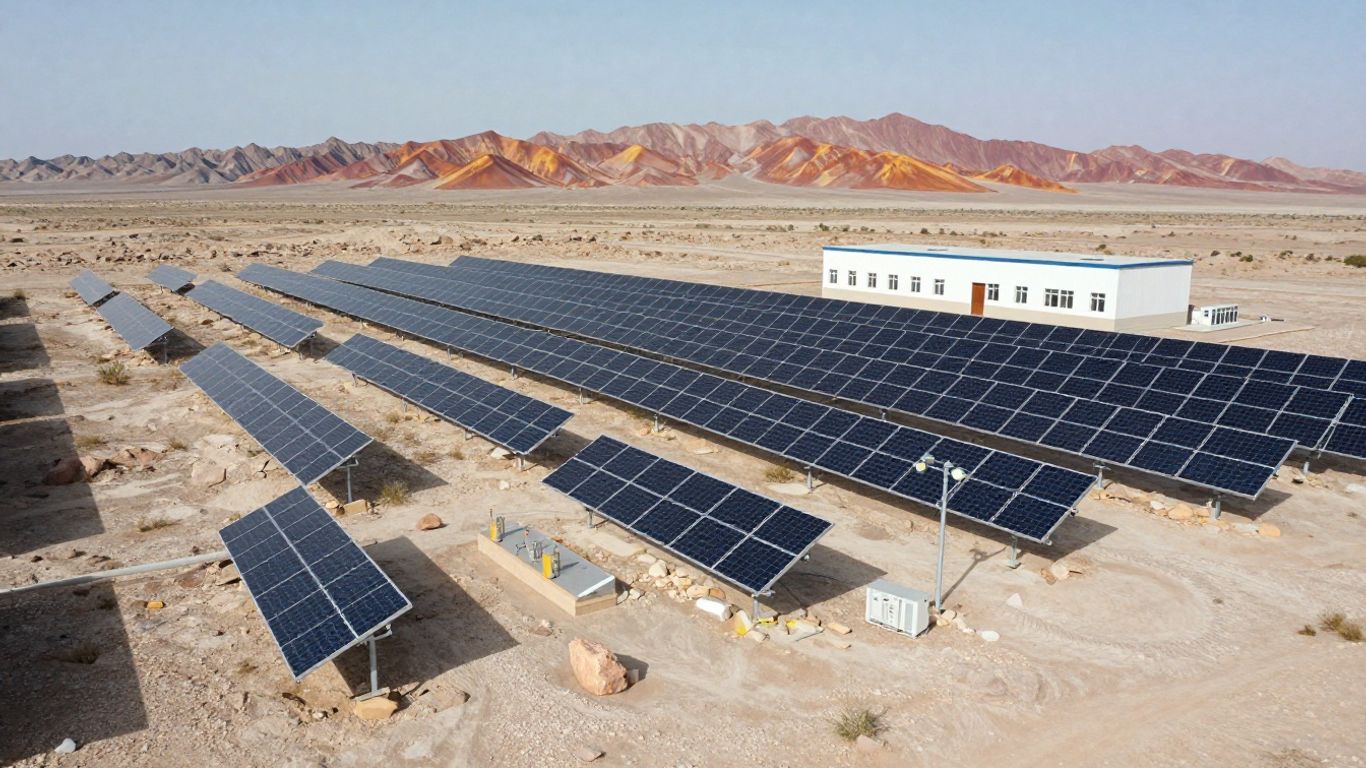
Heat affects more than the comfort of people working at the site. It can change equipment output, reduce available operating margins, and increase the burden on enclosures and cooling systems. The design should use manufacturer limits and realistic site temperatures, then translate those limits into clear operating procedures for hot periods.
Account for high-temperature derating in equipment specifications
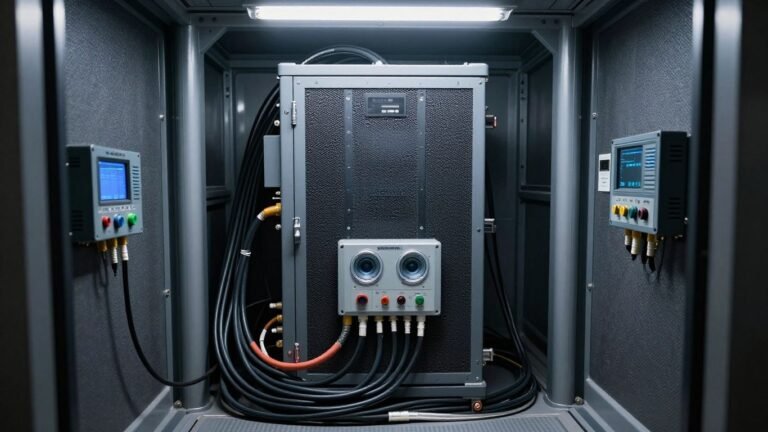
Check the temperature range and derating curves for each major component, including panels, inverters, batteries, transformers, and switchgear. Nominal ratings may not describe the power available during the hottest hours, particularly when equipment is installed in direct sun or in poorly ventilated spaces. Record the assumptions used for sizing so operators can understand what a hot-weather limit means in practice.
If a device’s available output falls as ambient temperature rises, the system may need a larger capacity margin or a different operating schedule. Treat the manufacturer’s specified conditions as design inputs, not fine print to review after equipment selection.
Protect batteries with shading, ventilation or active cooling
Battery temperature management begins with siting. Shade can reduce direct solar loading, while an appropriate enclosure and ventilation plan can help avoid trapping heat. Where active cooling is required, account for its own power demand and confirm that it can operate during the conditions when the battery is most needed.
The battery space should also allow safe inspection and access to service components. Cooling measures need to be matched to the battery specifications and local environment; a solution that relies on uninterrupted power or water may be less dependable if those resources are limited during an outage.
Place inverters and transformers to limit heat exposure
Where equipment is placed can have a measurable effect on its thermal environment. Avoid unnecessary exposure to direct sunlight, allow airflow around equipment, and keep maintenance clearances usable after installation. Consider reflected heat from nearby surfaces and whether dust screens or protective structures could restrict ventilation.
The layout should make routine inspection possible without exposing technicians to avoidable hazards. Physical separation, shade, and airflow are simple design decisions, but they work best when considered before cable routes and foundations are fixed.
Set operating limits for hot-weather peaks and backup power
Create operating rules for the combination of high demand and reduced equipment capability. Define which loads can be shifted or temporarily curtailed, what battery reserve should be protected, and when backup generation should start. These limits should be based on system modeling and equipment specifications, not improvised during an emergency.
A short operating guide can give site staff a shared reference for heat alerts, generator use, and load priorities. Review it after commissioning and update it when load patterns or equipment change.
Limit dust impacts on generation and equipment
Dust can lower solar production and make routine maintenance more demanding. Fine particles may also enter equipment if enclosures, filters, or seals are poorly maintained. A practical dust plan combines site layout, inspection, cleaning, and equipment protection; it should be designed around the amount of dust the site actually experiences.
Select array layouts and components suited to abrasive conditions
Review local wind direction, terrain, nearby unpaved areas, and the way dust settles across the proposed array. Mounting height, row spacing, access paths, and cable protection can all influence cleaning and inspection. Choose components and enclosures with environmental ratings suited to the site, and confirm that maintenance staff can safely reach the areas most likely to collect debris.
A layout that is easy to inspect may be more useful over time than one that simply maximizes the number of modules in a fixed area. The design should leave room for cleaning equipment and for the access needed to check connections and supports.
Estimate soiling losses and set inspection intervals
Soiling losses vary by site and by season, so avoid relying on a single generic estimate. Compare array performance with expected output, note the timing of dust events, and inspect representative modules to see how quickly deposits accumulate. These observations can guide cleaning intervals and help distinguish soiling from other causes of reduced generation.
Set an initial inspection schedule, then adjust it using measured performance and site experience. Regular records make it easier to spot a change in soiling patterns and to plan maintenance before energy shortfalls become an operational problem.
Compare dry cleaning, robotic systems and water-based washing
Cleaning methods involve trade-offs in water, labor, equipment, and access. The best choice depends on the array, the type and frequency of deposits, the availability of workers and water, and the cost of lost output. Compare options against actual site conditions rather than assuming that frequent washing or a particular technology is always preferable.
A decision should include both the cleaning method and the trigger for using it. That gives operators a way to balance production loss against the resources required to restore the array.
Seal enclosures and maintain filters, fans and electrical connections
Dust protection needs ongoing attention. Check seals and cable entries for damage, clean or replace filters according to their condition, and inspect fans for restricted airflow. Electrical connections should be inspected on a planned schedule, with any maintenance carried out using appropriate safety procedures.
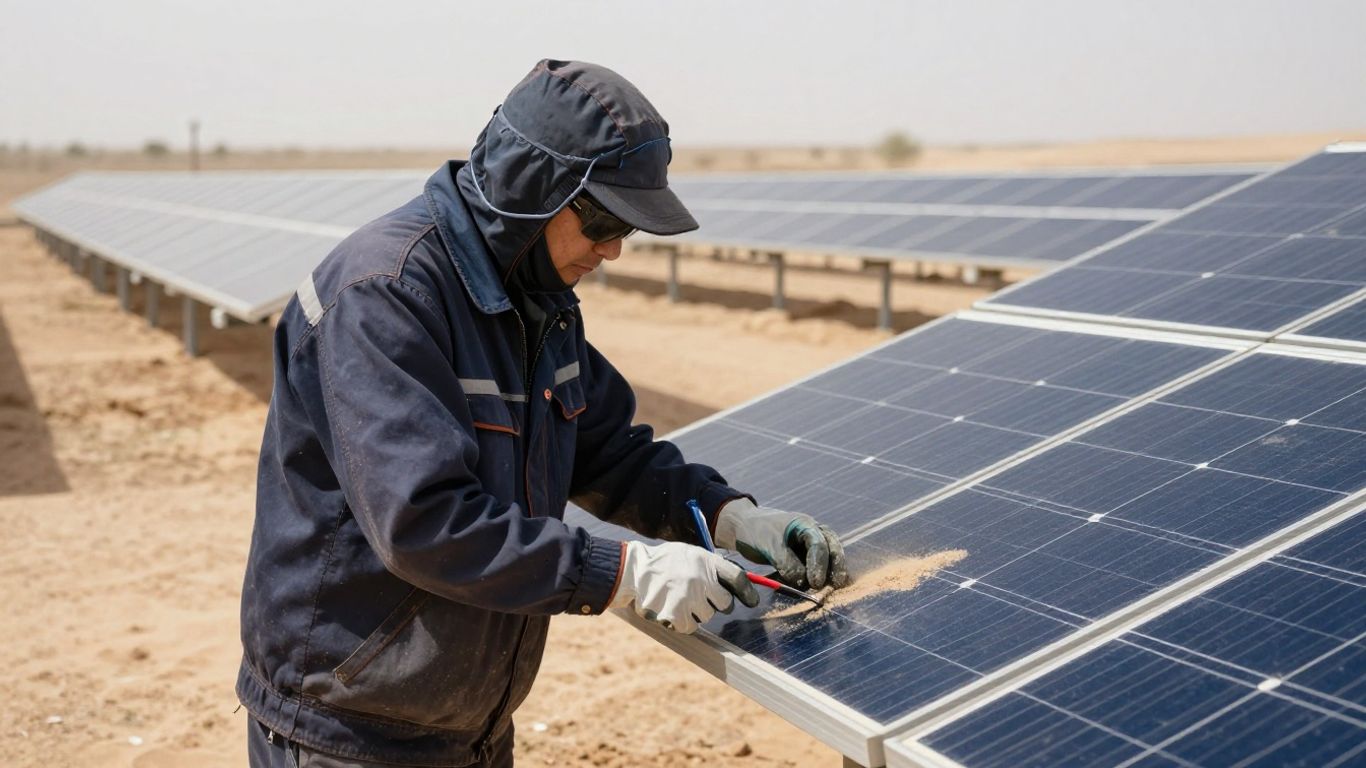
A consistent inspection routine helps prevent a small buildup or damaged seal from becoming a larger outage issue. Record findings and repairs so future checks can focus on recurring trouble spots.
Address water supply and minimize consumption
Water may be needed for cleaning, cooling, site operations, or other essential processes, yet dependable supply can be limited in arid areas. The design should establish where water comes from, how it is stored and delivered, and what happens when supply is disrupted. These questions also matter electrically: wells, pumps, and treatment equipment can be significant loads.
Assess water availability, quality, storage and delivery reliability
Identify the source, expected availability, quality, and seasonal reliability of water before selecting equipment that depends on it. Check delivery routes and storage capacity, and establish how much reserve is needed during delays or outages. If the site uses groundwater, confirm that pumping and treatment requirements are understood rather than assuming raw water is ready for every purpose.
A reliable water plan accounts for both quantity and quality. The arid-site rainwater system guide offers related context on assessing water quality and storage, although the right supply approach depends on local conditions and regulations.
Reduce panel-cleaning demand through cleaning schedules and technology
Cleaning decisions should respond to measured soiling and the value of the output being recovered. Set an inspection-based schedule and compare the energy gained from cleaning with its labor, equipment, and water requirements. Where water is scarce, dry or automated methods may be worth evaluating, provided they suit the array and local dust conditions.
The goal is not to clean on a fixed calendar regardless of need. A performance-based approach can reduce unnecessary water use while still responding when deposits measurably affect generation.
Protect cooling systems from scaling, corrosion and water shortages
Where cooling uses water, confirm its quality and the system’s tolerance for minerals, salts, and corrosion. Maintenance plans should include inspection and treatment needs, while operating procedures should address reduced water availability. If cooling depends on a pump or treatment load, include that demand in the microgrid’s critical-load and outage analysis.
Cooling strategies that depend on scarce resources need a backup plan. Consider whether the equipment can operate safely at reduced capacity or whether a different operating mode is needed during water restrictions.
Coordinate microgrid power with wells, pumps and treatment loads
Water infrastructure can create large and time-sensitive electrical demand, especially when pumps start or multiple processes run together. Map those loads alongside other site demands, and determine which can be scheduled, throttled, or paused. The resulting plan should account for the consequences of delaying water service as well as the power required to maintain it.
This coordination may reveal useful flexibility, such as moving some pumping to periods of stronger solar production when storage and water capacity permit. Any schedule should be checked against operational requirements and safe water-system practices.
Design controls, maintenance and resilience for desert operations
A desert microgrid is not finished when equipment is installed. Reliable operation depends on coordinated controls, clear procedures, monitoring, and realistic access to maintenance. Build those needs into the design from the start, then use operating data to refine the plan as seasons and loads change.
Coordinate solar, batteries and generators under changing conditions
Controls should respond to renewable output, load demand, battery state, and generator availability. Define how the system moves between operating modes and what happens when a component is unavailable. Test likely conditions such as fast changes in solar production, a hot-weather demand peak, or a generator starting while the battery is near its operating limit.
Clear control logic helps operators understand why the system is responding in a particular way. Commissioning should verify the intended sequences under normal operation and realistic abnormal conditions, rather than relying on equipment settings alone.
Prioritize critical loads during equipment outages or fuel constraints
Load priorities should be practical enough to use during a stressful event. Identify what remains energized, what can be curtailed, and who has authority to make that decision. Include fuel constraints and repair delays in planning; a short generator outage and a prolonged delivery interruption do not call for the same response.
This hierarchy should be documented and reviewed with site staff. It connects the original load assessment to actual operating actions, so the team does not have to invent priorities during a disruption.
Monitor temperature, soiling, battery health and water use
Monitoring is most useful when it leads to a decision. Track the temperatures that matter to equipment limits, compare solar output with expected performance, and review battery condition and water use over time. The purpose is to identify trends early, investigate unexplained changes, and adjust maintenance or operating schedules before reliability is affected.
A simple operating record can make that work manageable. At minimum, plan to capture:
- Weather events and unusual heat periods.
- Solar output and observed array soiling.
- Battery alarms, operating conditions, and service history.
- Water availability, consumption, and delivery interruptions.
Reviewing these records together can show whether an energy problem stems from weather, equipment, cleaning intervals, or a change in demand. It also gives future maintenance decisions a firmer basis than memory alone.
Plan spare parts, remote support and maintenance access
Remote locations can turn a small equipment fault into a long interruption if parts or skilled support are difficult to obtain. Identify components with long delivery times, keep appropriate spares, and confirm how remote troubleshooting will work when communications are limited. Access routes and safe working space should remain usable after construction, not just during installation.
Coordinate service intervals with seasonal access and the site’s operating calendar. A compact plan that names responsible people, expected response steps, and the parts most likely to be needed is more useful than a maintenance schedule that assumes ideal conditions.
Conclusion
Designing for desert conditions means treating heat, dust, water, and access as connected operating realities. Measure the loads, size the system around realistic equipment performance, and make maintenance and operating priorities clear before an outage or supply constraint occurs. With those fundamentals in place, a microgrid can be planned around the services the site truly needs to sustain.
Frequently Asked Questions
What makes a desert microgrid different from other microgrids?
High temperatures, dust, limited water, and remote access can affect equipment performance and maintenance. A desert design needs to account for these conditions alongside the usual questions of load, generation, storage, and reliability.
How should critical loads be identified?
List the consequences of interrupting each load, then classify it as critical, deferrable, or flexible. Confirm the classifications with people who operate the site, since actual needs may depend on the task or time of year.
Does strong sunlight guarantee reliable solar power?
No. Solar output varies with temperature, dust, shading, equipment limits, and time of day. System planning should compare expected generation with demand across different conditions, including evenings and low-output periods.
Why is battery temperature important?
Battery operating limits and performance depend on conditions specified for the particular equipment. Siting, shading, ventilation, or cooling may be needed to keep operation within those limits, and any cooling demand should be included in the power plan.
How often should desert solar panels be cleaned?
There is no universal interval. Inspect the array and compare its output with expected performance, then set a schedule based on local dust patterns, cleaning resources, and the effect of soiling on production.
How can a microgrid reduce water use?
Assess how much water cleaning or cooling requires, then compare methods and operating schedules against local availability. Measuring soiling and using cleaning only when it is warranted can help avoid unnecessary panel washing.
What should a microgrid maintenance plan include?
It should cover routine inspections, spare parts, service access, remote support, monitoring, and clear steps for equipment outages. Include seasonal conditions and the time needed to reach the site or obtain replacement components.