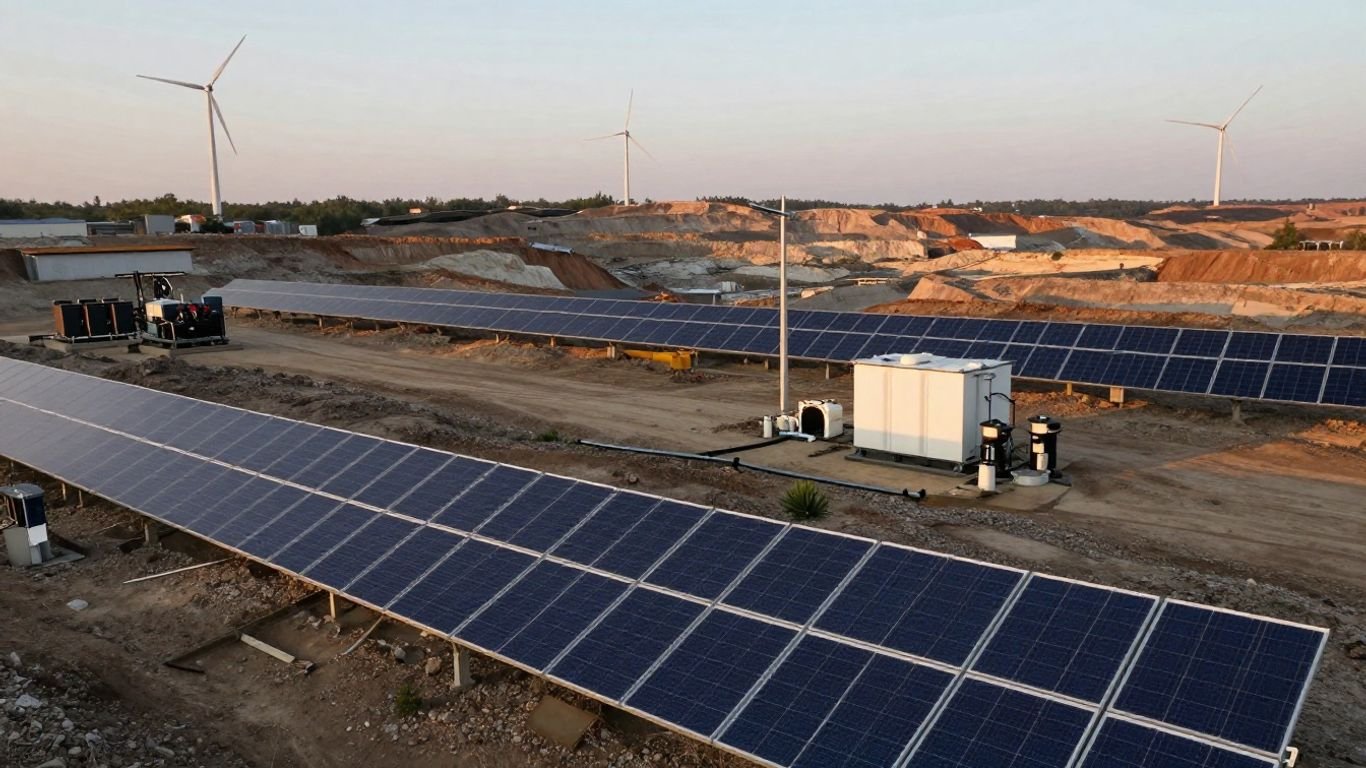
Comparing Diesel, Solar, Wind and Batteries for Remote Mines
Key Takeaways
Remote mine power systems work best when they are designed around the site, the load, and the mine plan rather than around one favorite technology.
- Diesel provides dispatchable power and remains valuable where fuel access and reliability dominate.
- Solar can reduce daytime generator use when sunlight, land, and cleaning access are favorable.
- Wind is useful when measured site conditions support it through the operating year.
- Batteries smooth renewable output, improve generator loading, and protect power quality.
- A phased hybrid system can balance capital cost, fuel risk, emissions goals, and mine life.
What remote mine power systems must deliver
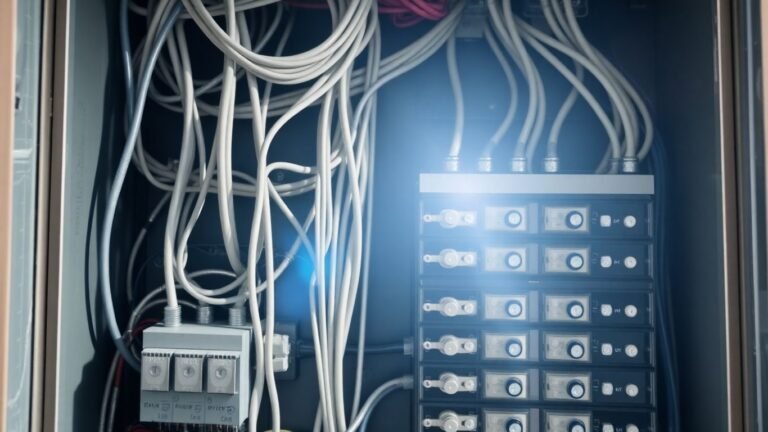
A remote mine needs more than enough nameplate capacity. Its power system must tolerate changing production schedules, long supply routes, severe weather, and the consequences of an outage. The strongest designs begin with an honest picture of how electricity is used and how that use will change. A useful starting point is this remote power planning guide, which focuses on load mapping, site conditions, redundancy, and coordinated controls.
Assessing variable loads across exploration, construction and production
Exploration may begin with camp services, drilling, communications, and workshops. Construction then adds cranes, concrete equipment, pumps, temporary buildings, and commissioning loads, while production can introduce crushers, mills, conveyors, ventilation, dewatering, and automated systems. Each stage has a different peak, operating profile, and tolerance for interruption.
Rather than sizing only for the largest theoretical load, engineers should separate continuous, intermittent, motor-starting, and critical loads. Process-level analysis can reveal which equipment can be shifted or curtailed and which must stay energized. That distinction prevents both expensive oversizing and fragile systems that trip when a large motor starts.
Balancing reliability, fuel security and energy availability
Reliability is partly an electrical question and partly a logistics question. A generator may be available, yet the mine can still be exposed if fuel deliveries are seasonal, storage is limited, or a single road serves the entire operation. Redundancy, spare parts, black-start capability, and clear operating procedures belong in the design from the beginning.
The best mix also considers the quality of available energy. Solar is predictable by hour but not by cloud cover; wind can operate after sunset but varies with local weather; batteries respond quickly but do not create energy. Reliability is a system property, produced by how these resources are coordinated.
Planning for harsh weather, altitude and limited site access
Cold affects batteries, engines, lubricants, and starting equipment. Heat reduces the useful output of some components, while dust can foul filters, coat solar modules, and enter enclosures. At altitude, thinner air may reduce engine performance and alter cooling requirements. Wind turbines face their own exposure to icing, turbulence, and extreme gusts.
Access changes the maintenance calculation. A component that is inexpensive in a connected city may be costly when it requires a specialized crew, a heavy lift, or an emergency flight. Containerized equipment, remote monitoring, accessible spares, and conservative maintenance intervals can matter as much as efficiency.
Matching the power system to mine life and expansion plans
A short exploration campaign should not automatically receive the same permanent infrastructure as a long-life mine. Temporary or modular generation can preserve flexibility while reserves, processing plans, and schedules are still uncertain. A producing operation may justify larger renewable fields, higher-voltage distribution, and deeper storage if the assets will operate for many years.
The decision should include closure and reclamation. Equipment that can be relocated, resold, or redeployed has a different economic value from equipment that becomes stranded. Expansion allowances should be explicit: reserve space, switchgear capacity, control-system compatibility, and a practical route for adding generation later.
Diesel generators as a dependable baseline
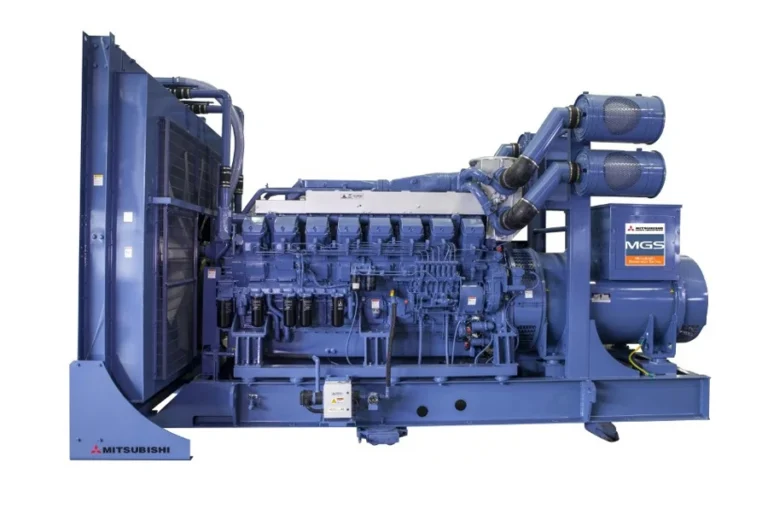
Diesel generators remain common because they are dispatchable, familiar, and capable of supporting large loads through the night. They can be deployed before a renewable field is complete and can cover periods when weather reduces renewable production. That does not make diesel automatically cheapest, but it gives it an important role in many remote mine power systems. Diesel generator selection guidance is useful when checking power needs, essential loads, expansion, warranty, and lead times.
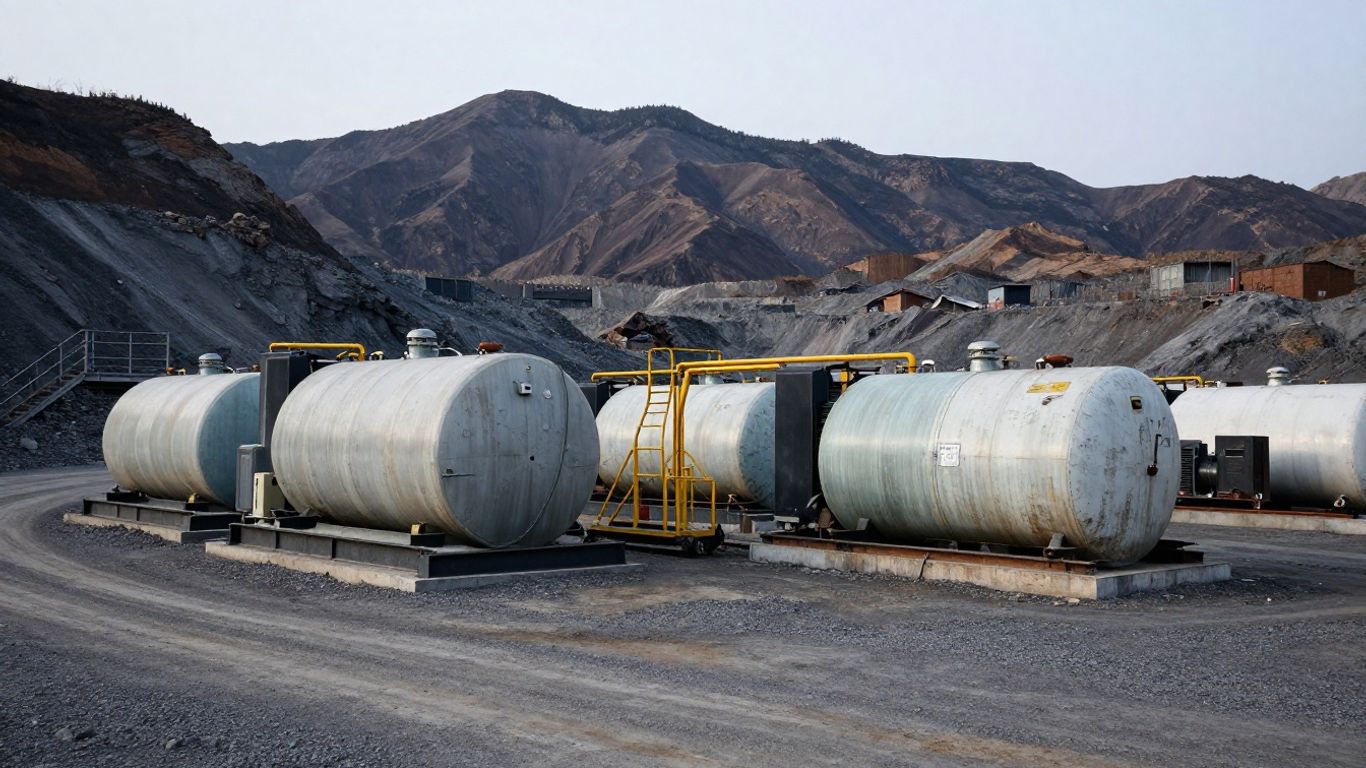
Where diesel excels in remote mining operations
Diesel offers controllable output whenever fuel is available. Multiple units can be staged so that smaller loads run on fewer machines, while additional units start for peaks or maintenance coverage. It is also familiar to operators, mechanics, and suppliers in many mining regions.
Its main strength is firm capacity. A properly maintained set can support night operations, sudden demand, and prolonged low-renewable periods without waiting for sunlight or favorable wind. The tradeoff is that fuel, servicing, and emissions continue for every hour it runs.
Fuel logistics, storage and price volatility
Fuel planning should account for delivery distance, road conditions, seasonal access, storage losses, safety requirements, and minimum reserve levels. A low modeled fuel price is not meaningful if a missed shipment can stop production. Tanks and transfer systems also need inspection, spill controls, and protection from contamination.
Price volatility makes sensitivity analysis worthwhile. Test the project at several fuel prices and delivery costs, then compare the result with a hybrid case. A battery or renewable system may be attractive not only because it lowers average fuel use, but because it reduces exposure to an uncertain supply chain.
Emissions, maintenance and noise considerations
Diesel produces local exhaust, greenhouse-gas emissions, heat, and noise. These effects influence worker comfort, nearby communities, permitting, and corporate carbon plans. Exhaust treatment may be required, and acoustic treatment can add space, weight, and maintenance needs.
Maintenance is more than an operating expense. Oil changes, filters, overhauls, coolant, spare engines, and technician travel all contribute to lifecycle cost. Running several units lightly loaded can also be inefficient, so controls should keep operating generators within a useful loading range whenever practical.
When diesel-only systems remain the practical choice
Diesel-only generation can still be sensible for a small or temporary site, particularly where solar and wind resources are weak, land is constrained, or the project may close before renewable capital is recovered. It may also be the right first stage when the load is not yet well defined. A diesel-battery comparison can clarify the tradeoff between continuous fuel expense and storage investment.
That choice should be deliberate rather than habitual. Operators should document fuel reserves, failure scenarios, emissions requirements, and the trigger points for adding renewable generation. A system that begins with diesel does not have to remain diesel-only.
Solar power for predictable daytime generation
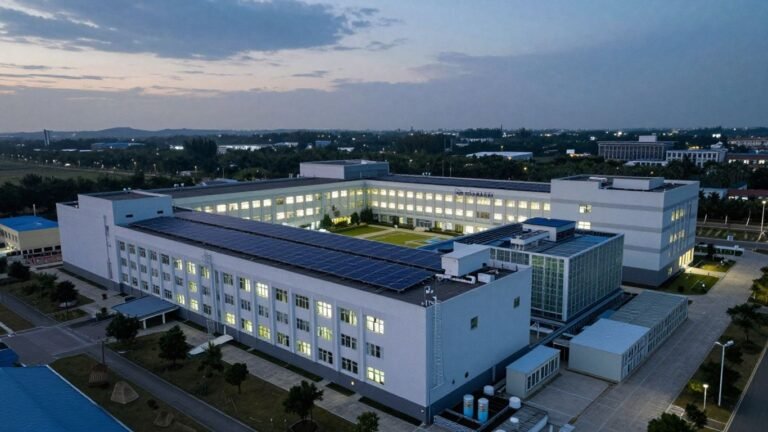
Solar photovoltaic generation is often easiest to understand because its daily pattern is visible and broadly forecastable. Output rises in the morning, peaks around midday, and falls in the evening, with seasonal variation layered on top. The value depends on how closely that pattern matches mine loads and how much space and maintenance access the site provides. Broader off-grid energy options can help frame solar alongside generators and storage, though mine conditions require a more rigorous study.
Evaluating solar resource, land requirements and seasonal output
A regional solar map is only a first screen. Slope, horizon shading, snow, dust, cloud patterns, temperature, and usable land can change the result. The model should use site-specific weather data where possible and include seasonal production, not just an annual average.
Land also has an operational cost. Panels need spacing, roads, drainage, security, and room for cleaning or snow removal. A compact site may favor higher-value roof or brownfield areas, while a large open mine may have room for a ground-mounted array near the electrical connection.
Using photovoltaic systems for daytime and auxiliary loads
Solar can directly serve camp services, offices, workshops, water treatment, pumping, and other daytime loads. It can also reduce the amount of diesel generation needed during sunny hours, especially when controls prevent generators from running inefficiently at very low load.
The system must still handle clouds, evening demand, and large motor events. Batteries can absorb short-term changes, while generators provide longer-duration backup. Solar therefore works best as part of a dispatch plan rather than as a promise of constant output.
Managing dust, snow, heat and panel degradation
Dust accumulation lowers production and creates a recurring cleaning requirement. Snow may shed naturally on a steep array, but that outcome depends on temperature, tilt, wind, and the snow itself. Heat affects module output and inverter conditions, while ultraviolet exposure and mechanical stress contribute to gradual degradation.
Cleaning schedules should be based on measured losses, water availability, labor, and access. Robust mounting, protected cable routes, appropriate drainage, and clear inspection routines reduce avoidable faults. The cheapest panel is not necessarily the cheapest installed system in a remote location.
Comparing fixed, tracking and portable solar installations
Fixed arrays are mechanically simple and usually easier to maintain. Tracking can increase production in suitable conditions but adds moving parts, controls, foundations, and exposure to wind. Portable or modular arrays can suit exploration and construction, where relocation may be more valuable than maximum annual yield.
The comparison should include transport, assembly, security, reconfiguration, and decommissioning. A slightly less productive array may win if it can be installed quickly and moved to the next work area. The correct choice follows the mine schedule as much as the solar resource.
Wind power for sites with strong local resources
Wind can broaden renewable production beyond daylight hours and may complement solar particularly well in locations with strong evening or seasonal winds. Its economics, however, are highly sensitive to the exact site and turbine height. Regional wind maps can hide turbulence, terrain effects, icing, and transport constraints. A renewable mine power overview offers useful context on combining wind, solar, storage, and diesel backup.
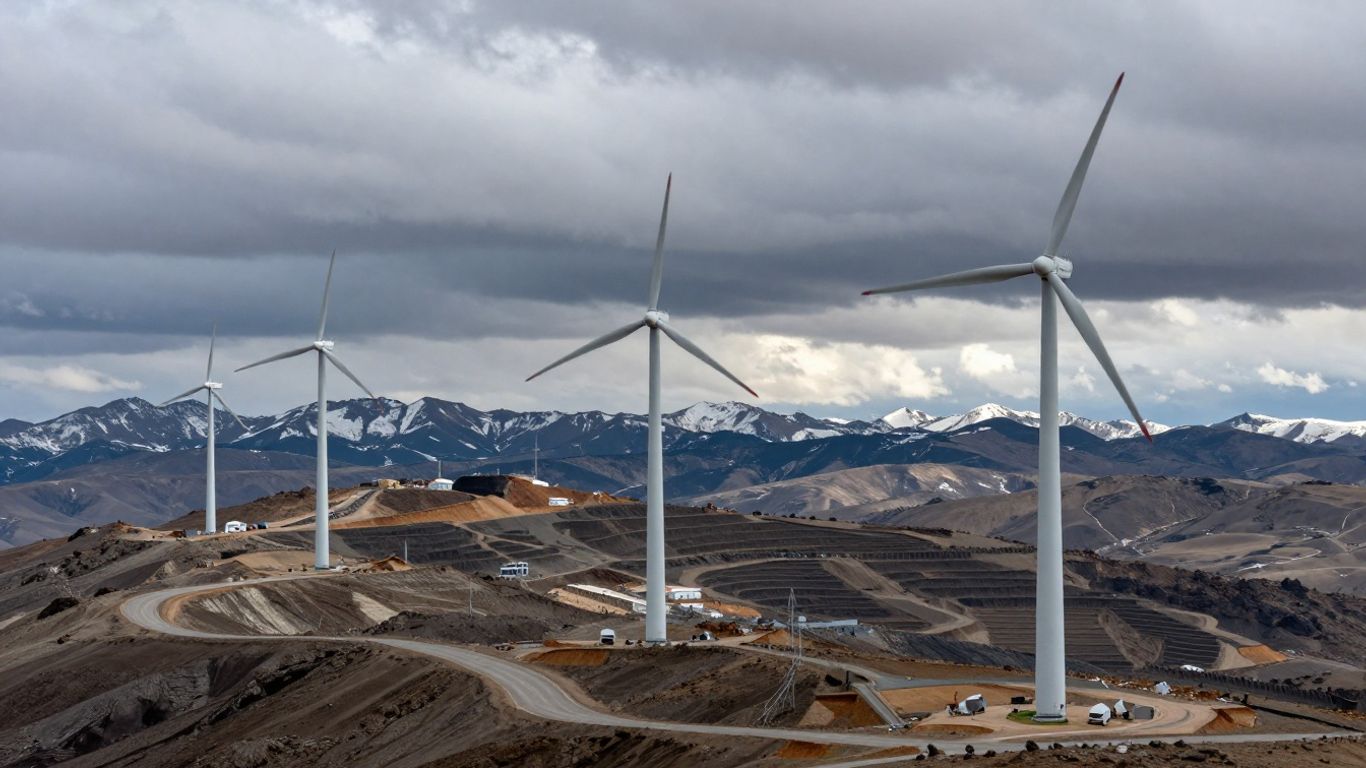
Measuring wind quality beyond regional averages
A serious wind assessment uses measurements at a representative height and location over enough time to capture seasonal behavior. Terrain, ridges, valleys, vegetation, and nearby structures can accelerate or disrupt airflow. The model should translate measured wind into expected turbine output, including wake effects and downtime.
The important question is not whether the region is windy. It is whether the proposed turbine can produce useful energy at the actual foundation location, with acceptable uncertainty and access for service.
Addressing turbulence, icing and extreme weather
Turbulence increases mechanical stress and can reduce energy capture. Icing may add weight, disturb blade aerodynamics, and create safety hazards from falling ice. Extreme wind events require suitable turbine classes, shutdown procedures, foundations, and emergency access plans.
Cold-weather packages, de-icing systems, weather monitoring, and inspection intervals can improve availability, but each adds cost and complexity. These measures should be tested against the value of the energy recovered and the consequences of a prolonged outage.
Comparing turbine sizes, transport needs and maintenance
Larger turbines can produce more energy from a strong resource, but blades, towers, cranes, roads, and foundations become harder to move and install. Smaller units may fit a constrained site or phased project, though they can require more machines for the same aggregate capacity.
Maintenance planning should include crane availability, spare blades or components, specialist travel, and weather windows. A turbine is not a useful asset if a failed major component cannot be reached during the season when it is needed most.
Understanding when wind complements rather than replaces diesel
Wind usually reduces the energy diesel generators must produce; it does not remove the need for firm capacity by itself. When wind falls during a production peak, another resource must respond. Batteries can cover short changes, while diesel remains the longer-duration reserve.
A hybrid control system can curtail wind, charge batteries, or reduce generator output when conditions permit. The result is a more efficient operating pattern, but only if the controls, protection settings, and operator procedures are designed as one system.
Batteries for storage, flexibility and system stability
Batteries add speed and flexibility to remote mine power systems. They can respond in milliseconds, support voltage and frequency control, and store renewable energy for later use. Their value is determined by both power and energy: a system may need high output for a motor event but only a modest duration, or several hours of stored energy for an evening load. Diesel-battery hybrid systems provide a useful general reference for coordinating storage with generator output.
Shifting solar and wind energy into peak periods
A battery can charge when solar or wind production exceeds immediate demand and discharge when the mine reaches a peak. This reduces renewable curtailment and can move energy into evening camp loads or scheduled process periods. The dispatch strategy should preserve reserve capacity rather than emptying the battery at the first opportunity.
Forecasts help, but the system needs clear priorities when forecasts are wrong. Critical-load support, black start, renewable smoothing, and fuel reduction may compete for the same stored energy. Those priorities should be agreed before commissioning.
Reducing generator runtime and fuel consumption
Storage can let a generator operate closer to an efficient loading point while the battery handles short demand changes. It can also avoid starting another generator for a brief peak. Fewer starts, steadier loading, and less low-load operation may reduce fuel use and wear.
Savings depend on the load profile and controls. A battery that is too small may have little effect, while one that is oversized may sit idle after its useful operating cases are satisfied. Measurement after commissioning is essential to confirm that modeled savings are occurring.
Selecting battery chemistry, capacity and power rating
Chemistry affects safety, temperature tolerance, cycle life, energy density, and replacement planning. Capacity describes how much energy can be stored; power rating describes how quickly it can be delivered or absorbed. Both must be matched to the mine’s peaks, ramps, reserve policy, and expected cycling.
The design should also specify inverters, protection, fire detection, isolation, communications, and enclosure requirements. Battery systems are not simply containers of cells. They are electrical assets that must coordinate with generators, renewable sources, and critical loads.
Planning for temperature control, degradation and replacement
Remote batteries may need heating, cooling, ventilation, or thermal monitoring. Temperature control consumes energy and can become a major design issue in extreme climates. Capacity also declines with time, cycling, and operating conditions, so the financial model should include degradation rather than assuming constant performance.
Replacement logistics should be considered before installation. Allow space for safe removal, identify approved transport routes, and plan how old modules will be handled. A staged replacement strategy may keep part of the storage fleet available while other units are renewed.
Comparing hybrid configurations and operating costs
Hybrid systems are not one fixed recipe. A diesel-solar-battery plant may be straightforward for a site with reliable sunlight and limited nighttime demand, while wind and storage may add more value where wind production extends into the evening. The correct comparison includes electrical performance, construction sequence, operating skill, access, and closure. For critical infrastructure, the same planning discipline used for off-grid facility design can help expose hidden requirements such as cooling, fault isolation, and redundancy.
Building a diesel-solar-battery microgrid
This configuration uses diesel for firm capacity, solar for daytime energy, and batteries for smoothing, short peaks, and generator optimization. Its relative simplicity can make it a practical first hybrid step. Controls must coordinate generator starts, battery state of charge, solar curtailment, and critical-load priority.
The design should preserve resilience during low sunlight and battery outages. That may require redundant generators, bypass arrangements, and a minimum spinning or fast-response reserve. The system is only as strong as its weakest operating mode.
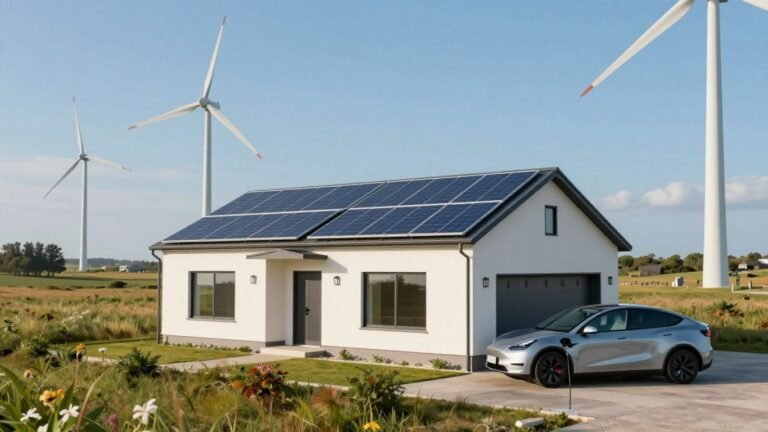
Combining wind, solar and batteries for higher renewable penetration
Adding wind can extend renewable production into hours when solar is unavailable. Batteries then manage ramps, short gaps, and excess generation, while diesel covers longer deficits. Higher renewable penetration can reduce fuel consumption, but it also increases forecasting, controls, protection, and curtailment requirements.
The project should test prolonged calm weather, cloudy periods, simultaneous equipment outages, and unusually high demand. A design that performs well in an average year may still need firm backup for a difficult week.
Comparing capital costs with fuel and operating expenses
Capital cost includes generation equipment, foundations, inverters, batteries, controls, switchgear, roads, buildings, commissioning, and spares. Operating cost includes fuel, transport, labor, maintenance, component replacement, insurance, and eventual removal. Comparing only equipment prices gives a misleading result.
A simple cost structure can make the comparison clearer:
| Configuration | Main capital burden | Main operating exposure | Typical strength |
|---|---|---|---|
| Diesel only | Generators and fuel systems | Fuel, service, emissions | Dispatchable capacity |
| Solar and diesel | PV field and electrical integration | Fuel plus cleaning | Daytime fuel reduction |
| Wind and diesel | Turbines, roads, foundations | Specialist maintenance and fuel | Longer renewable operating hours |
| Solar, wind and battery | Renewable assets, storage, controls | Replacement, service, residual fuel | Greater flexibility and renewable share |
The table is a starting framework, not a quotation. Site access, financing terms, expected utilization, and the value of avoided downtime can change the ranking substantially.
Evaluating levelized cost, payback and total cost of ownership
Levelized cost can compare energy over an assumed life, but it depends on discount rate, capacity factor, degradation, fuel assumptions, and treatment of backup capacity. Payback is easy to communicate, yet it may overlook late-life replacement or the value of resilience. Total cost of ownership is broader and usually more useful for a mine plan.
Use multiple scenarios rather than one precise forecast. Include fuel-price ranges, renewable underperformance, battery replacement, curtailment, downtime, and changes in production. The goal is not false precision; it is a decision that remains sensible when assumptions move.
Accounting for carbon targets, financing and permitting
Emissions targets can change the preferred system even where fuel remains affordable. Financing may favor a lower upfront commitment, a service arrangement, or a staged installation. Permits can affect land use, turbine height, noise, battery fire protection, fuel storage, and environmental review.
These constraints belong in the early feasibility study. Delaying them can turn an apparently attractive design into a project that cannot be built on schedule. They may also reveal opportunities for renewable additions that would otherwise be missed.
Choosing the right remote mine power system
There is no universal winner among diesel, solar, wind, and batteries. A remote mine power system should be selected through a site-specific process that weighs reliability, cost, logistics, emissions, and future change together. A microgrid decision framework can be helpful for organizing feasibility work, monitoring, storage, backup, and deployment stages. The final recommendation should be understandable to both finance teams and site operators.
Creating a site-specific decision matrix
A decision matrix makes assumptions visible. Score each configuration against firm capacity, fuel exposure, renewable resource, land, transport, maintenance skill, emissions, construction time, expandability, and closure value. Weight the criteria according to what would actually threaten the project.
For example, a site with only seasonal road access may give logistics and reserve fuel more weight than a site near a port. A mine with strict carbon goals may assign greater weight to renewable penetration. The matrix should guide discussion, not replace engineering judgment.
Modeling load growth, downtime risk and mine closure
Load forecasts should reflect exploration, construction, commissioning, steady production, expansions, maintenance shutdowns, and closure. Model both average energy and short peaks, including motor starts and critical safety services. Then test failures: a generator offline, a battery unavailable, a transmission section isolated, or several days of poor weather.
Downtime has a financial and operational value that should enter the model. So should salvage, relocation, and decommissioning. These factors often favor modular equipment when the mine’s future is uncertain.
Using monitoring and controls to optimize dispatch
Controls should coordinate generation, storage, renewable output, and demand while maintaining power quality. Operators need clear dashboards for fuel use, state of charge, renewable curtailment, alarms, starts, runtime, and unserved load. Remote access can shorten diagnosis time, but it must be paired with cybersecurity, local fallback controls, and safe manual procedures.
The operating strategy should evolve with real data. If the battery is consistently full by midday, more load shifting or renewable capacity may be useful. If generators are cycling too often, reserve settings or dispatch logic may need revision.
Phasing deployment from diesel support to renewable integration
A phased plan can begin with dependable diesel capacity while the site load is measured. Solar, wind, batteries, and controls can then be added when their value is clearer and infrastructure is ready. This approach reduces the risk of committing early to a design built on uncertain production assumptions.
The transition should preserve safety and redundancy at every stage. Commission one addition, verify its performance, update operating procedures, and then expand. With disciplined phasing, diesel becomes a foundation for resilience rather than a barrier to lower-fuel operations.
Conclusion
The strongest remote mine power systems combine practical dispatchable generation with renewables and storage in proportions suited to the site, the weather, the load, and the mine’s remaining life; the right answer is the one that keeps people and production supported while its full cost and operating risks remain visible.
Frequently Asked Questions
Are diesel generators still suitable for remote mines?
Yes. Diesel remains useful where firm capacity, rapid deployment, limited renewable resources, or long periods of low renewable output make dispatchable generation essential. Its fuel, maintenance, emissions, and logistics costs should be evaluated openly.
Can solar power run a mine at night?
Solar panels do not generate at night, so nighttime operation requires stored energy, another generation source, or both. Solar is often most valuable when it directly serves daytime loads and reduces generator production.
When is wind a good choice for a mine?
Wind is most suitable when long-term measurements show a strong, consistent resource at the proposed turbine locations. Terrain, turbulence, icing, transport, maintenance access, and extreme-weather design can determine whether the project is practical.
What does a battery add to a mine microgrid?
A battery can respond quickly to load changes, store renewable energy, reduce generator cycling, support power quality, and cover short peaks. Its usefulness depends on both its power rating and the amount of energy it can store.
How should remote mine power systems be compared financially?
Compare total cost of ownership, including capital, fuel, transport, maintenance, replacement, financing, downtime, emissions requirements, and closure. Levelized cost and payback are helpful measures, but neither captures every operational risk.
Why does mine life matter when selecting generation?
A short project may not recover the cost of permanent renewable infrastructure, while a long-life operation may benefit from lower fuel use over many years. Relocation, resale, expansion, and decommissioning can materially change the result.
Is a hybrid system always better than diesel-only generation?
No. A hybrid system can reduce fuel use and emissions, but it adds capital cost, controls, maintenance needs, and integration risk. It is preferable when the site resource, mine life, financing, and operating plan support those additional requirements.