How to prevent diesel fuel degradation in standby generators
Key Takeaways
Diesel stored for standby use needs attention even when the generator runs only occasionally. A routine of clean storage, fuel rotation, inspection, and appropriate testing reduces the chance of discovering a fuel problem during an outage.
- Limit water, air, heat, and debris entering the tank.
- Record delivery dates and use older fuel before newer fuel.
- Inspect and sample fuel as well as exercising the generator.
- Use filtration or polishing only when the fuel and tank condition call for it.
- Investigate warning signs and verify fuel quality before relying on the generator.
Understand what causes diesel fuel to degrade
Diesel fuel changes during storage, and the pace depends on its condition and the environment around it. Chemical breakdown and contamination can occur even when a generator is not being used. Knowing the main causes helps operators focus on practical prevention rather than assuming the fuel will remain unchanged in a closed tank.
Oxidation and the formation of gums and sediment
When diesel is exposed to oxygen over time, chemical reactions can produce gums and other insoluble material. These deposits may settle or collect in filters and fuel-system components, restricting flow. The result can be poor starting or operation, so fuel age matters alongside the generator’s mechanical condition.
Water contamination and microbial growth
Water can enter through leaks or form as condensation when temperatures fluctuate. It tends to collect at the bottom of a tank, where microbial growth can develop at the boundary between water and fuel. The resulting contamination may appear as slime or sediment and can obstruct filters; guidance on why diesel fuel goes bad covers these degradation pathways in more detail.
Heat, sunlight, and extended storage
Warm storage and prolonged exposure can accelerate fuel aging, while temperature changes can encourage condensation inside the tank. There is no single storage life that applies to every installation: fuel quality, tank condition, and local conditions all matter. For standby systems, the practical response is to limit exposure and inspect fuel periodically instead of relying on a calendar estimate alone.
Set up fuel storage to limit contamination
A well-maintained storage arrangement keeps water, dirt, and excess air from becoming routine additions to the fuel supply. Tank selection and installation should suit the fuel, the site, and the generator’s requirements. A few sound habits can make the tank easier to inspect and maintain over its service life.
Keep tanks sealed and vents protected
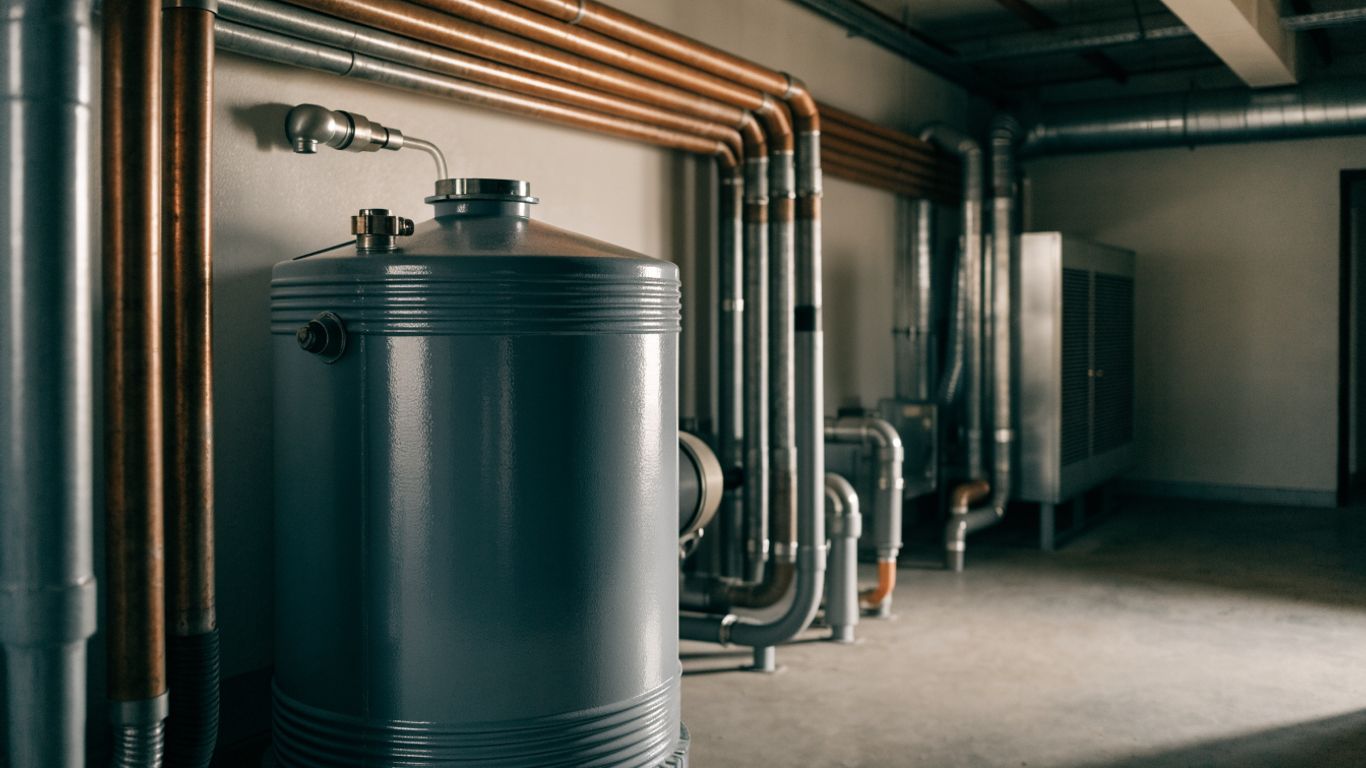
Check that access points, covers, fittings, and seals close securely, and make sure vents are protected against rain and debris while remaining suitable for the tank. A vent should not be blocked; it needs to function as designed while limiting contamination. Include these details in routine walk-arounds, particularly after severe weather or work near the tank.
Control water with tank design and drainage
Tank placement and design affect whether water and sediment can collect where they are easy to remove. Follow the tank and generator manufacturers’ requirements, and arrange safe access to any low-point drains or sampling connections. Do not drain fuel or water onto the ground; collect and dispose of it according to applicable requirements.
Reduce exposure to heat and temperature swings
Where practical, locate tanks away from direct sun and other avoidable heat sources. Shading and a stable environment can reduce temperature swings, though they do not eliminate condensation or replace inspection. The right arrangement depends on the site, so confirm that any shelter or enclosure does not obstruct ventilation, access, or required clearances.
Establish a fuel rotation and replenishment plan
Rotation prevents a standby tank from becoming a forgotten store of fuel with an unknown history. A simple record of deliveries, quantities, and use gives operators a basis for deciding what to inspect and when to replenish. The schedule should reflect actual storage conditions and the facility’s operating requirements, not an assumed universal shelf life.
Track delivery dates and fuel age
Record each delivery date, quantity, supplier documentation, and the tank receiving the fuel. Note sampling, treatments, transfers, and any maintenance that affects fuel condition. These records help identify older batches and make changes easier to interpret if a sample later looks or tests different.
Use older fuel first when replenishing tanks
A first-in, first-out approach can reduce the time fuel remains in storage, provided the older fuel is still suitable for use. Where the installation allows it, plan consumption and replenishment so that older fuel is used before a newer delivery is added. Follow site procedures and generator requirements when moving or consuming stored fuel.
A rotation log can be kept compact while still supporting useful decisions. For example, record the following for each delivery or inspection:
- Date and quantity received, with the tank identifier.
- Fuel use or transfer since the previous entry.
- Inspection, sample, or test findings.
- Water removal, filter changes, or tank cleaning performed.
Reviewing these entries together helps reveal patterns, such as recurring water accumulation or fuel that remains in storage longer than intended. If fuel age or history is uncertain, inspect or test it before relying on it.
Avoid topping off without checking tank condition
Adding fresh fuel does not remove water, sediment, or microbial contamination already in the tank. Before replenishment, check available inspection points and review recent maintenance or sample results. If the tank condition is uncertain, investigate first rather than assuming that dilution will resolve a fuel-quality problem.
Monitor fuel condition between generator tests
A generator exercise can confirm aspects of operation, but it does not by itself establish that stored fuel is clean and suitable. Include tank inspection and fuel-quality checks in the maintenance program, with attention to the installation’s history. A diesel generator maintenance checklist can provide broader context for routine equipment checks alongside fuel-specific procedures.
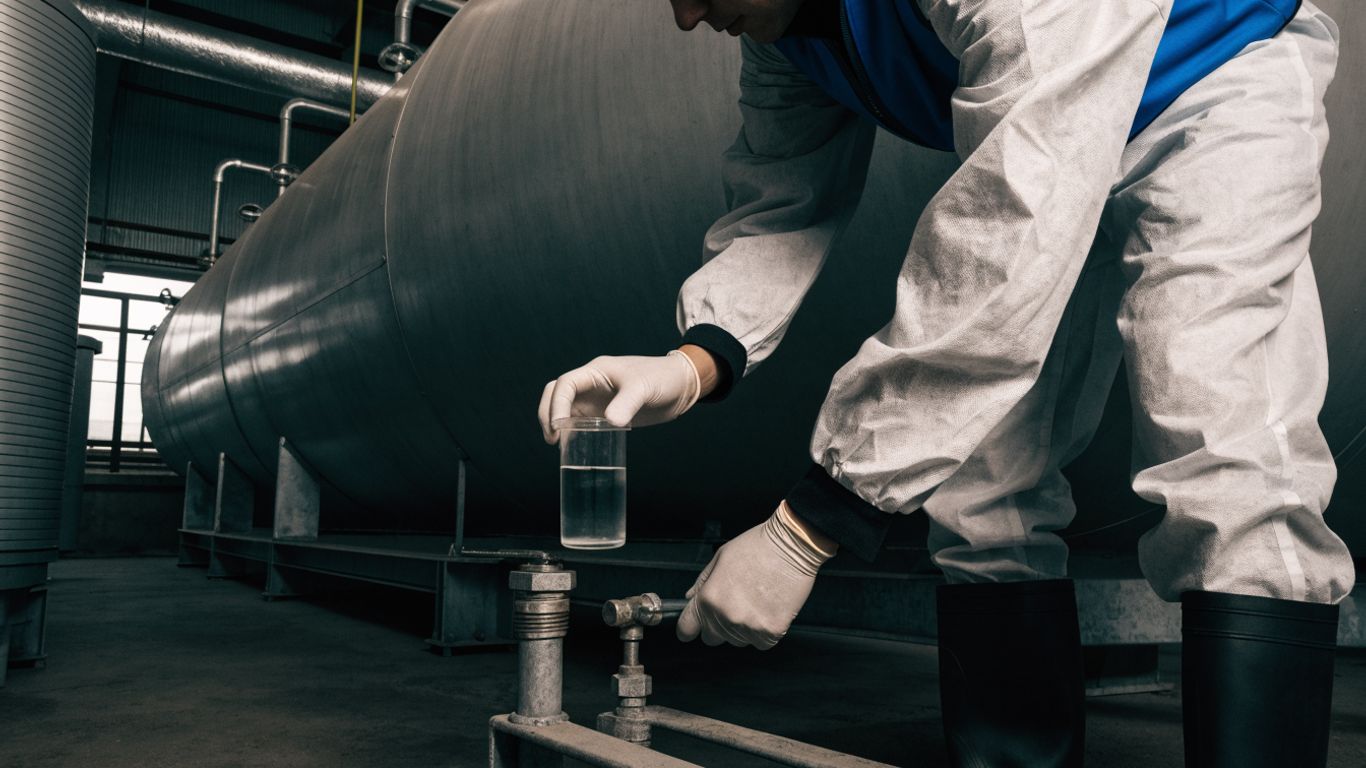
Inspect for water, sediment, haze, and discoloration
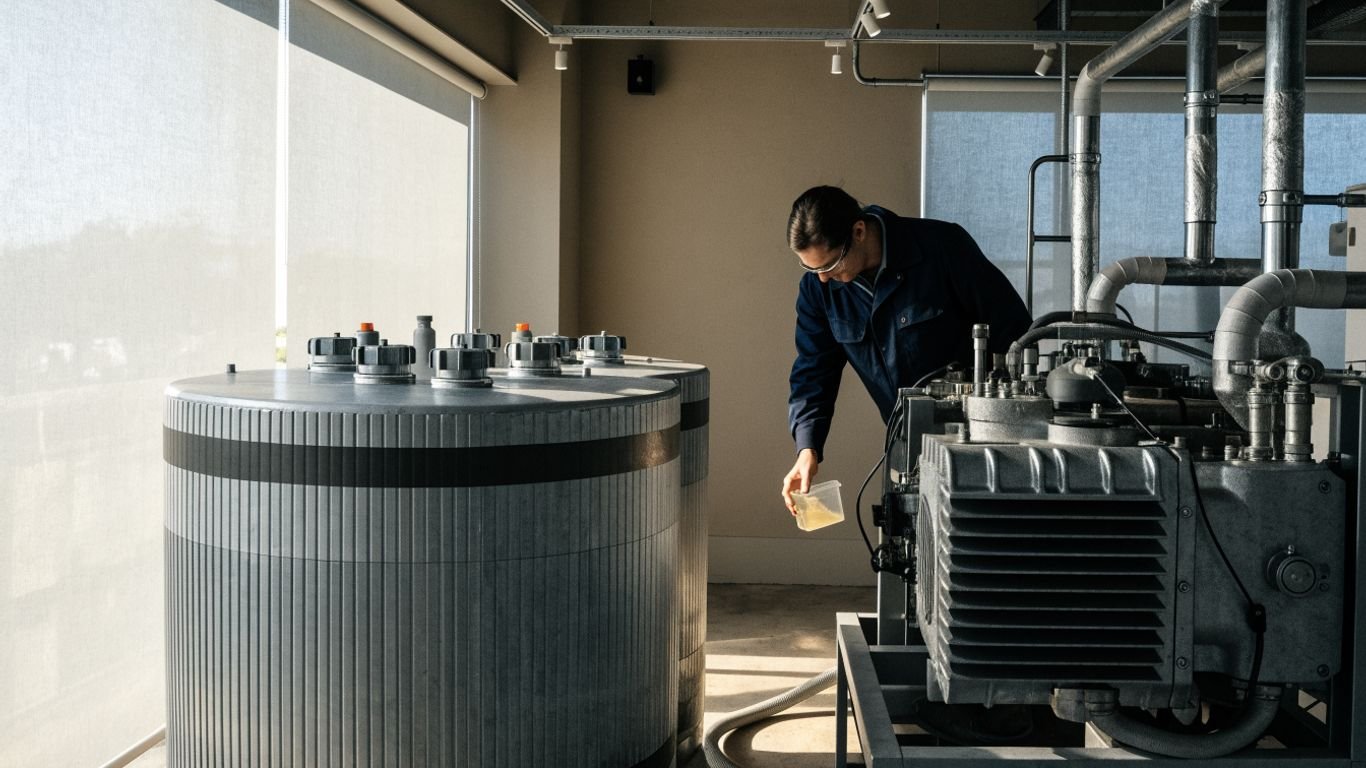
Look for visible water, settled material, unusual cloudiness, or a marked change in appearance. Compare observations with prior samples where possible, and note any unusual odor or filter restriction reported during operation. Appearance is a useful warning sign, but clear-looking fuel is not proof that it meets the generator’s requirements.
Sample from the tank’s lowest point
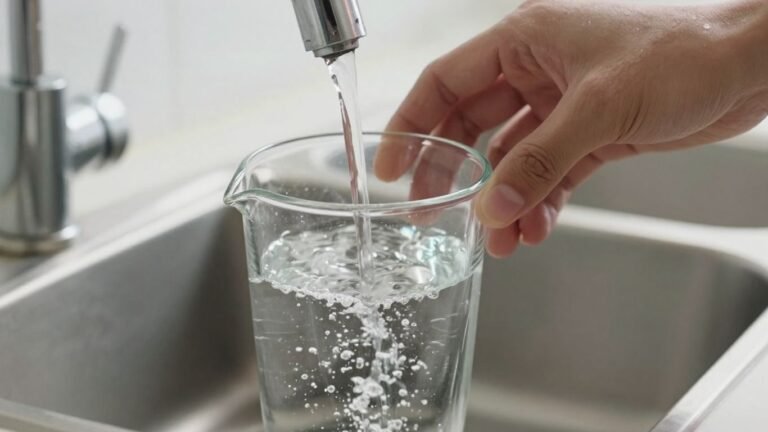
Because water and heavier debris can settle, a sample taken only from near the surface may miss important contamination. Use an appropriate sampling point near the tank’s lowest area, following safe procedures and the equipment manufacturer’s guidance. Label samples with the tank and date, and use a qualified laboratory or service provider when more definitive analysis is needed.
Set testing frequency based on storage conditions and risk
Testing intervals should account for how long fuel sits, the tank’s exposure to temperature swings, its inspection history, and the consequences of a failure. A tank with repeated water findings or uncertain fuel history calls for closer attention than one with stable records and clean inspections. Document the reason for the chosen interval and revise it when conditions change.
A simple way to organize inspection findings is to connect each observation with a next step:
| Observation | What it may indicate | Practical next step |
|---|---|---|
| Water at a low point | Condensation or water entry | Drain safely and investigate the source |
| Sediment or sludge | Tank deposits or contamination | Sample and assess tank cleanliness |
| Haze or unusual appearance | Possible contamination or change in fuel | Hold for evaluation and testing |
| Repeated filter restriction | Debris or other fuel-system issue | Inspect filters and investigate the cause |
These observations are prompts for investigation, not a diagnosis. Use the generator and tank manufacturers’ instructions to determine whether fuel can remain in service, and keep the findings with the maintenance record.
Use filtration and fuel polishing appropriately
Filtration and fuel polishing can help address certain contaminants, but neither substitutes for a clean tank or a sound storage plan. The method should match the suspected problem and the system’s requirements. Consider the fuel’s condition first, then decide whether treatment is appropriate and what follow-up checks are needed.
Know when polishing may help
Polishing may be considered when inspection or testing identifies removable water or particulate contamination, or when stored fuel needs treatment before use. It does not repair a damaged tank or prevent fresh contamination from entering afterward. Review the suspected issue and treatment scope with a qualified fuel-service professional; an overview of fuel polishing systems offers additional background on the approach.
Select filtration suited to the fuel and system
Filter selection should follow the generator and filtration-system manufacturers’ specifications. A filter that is unsuitable for the installation may fail to address the relevant contaminant or could interfere with required fuel flow. Check compatibility and service procedures rather than choosing equipment solely by appearance or a general claim about filtration.
Confirm the tank is clean before returning treated fuel
Treating fuel and returning it to a contaminated tank can undo much of the work. Assess tank condition before and after treatment, and remove settled debris or clean the tank when needed. The fuel should be evaluated against the generator’s requirements before it is considered ready for service.
Maintain the tank and fuel system
Fuel quality depends on the storage system as well as the fuel itself. Regular inspection can reveal leaks, damaged seals, blocked vents, or deposits before they become larger problems. Maintenance should be performed safely and in accordance with equipment instructions and applicable rules for handling fuel.
Drain accumulated water and remove settled debris
Where the tank design provides for drainage, check for accumulated water and remove it using the approved procedure. Collect drained material in suitable containers and handle it as required; never discharge it onto soil or into a drain. If water returns repeatedly, investigate entry points, condensation conditions, and tank integrity rather than treating drainage as a permanent fix.
Inspect tank surfaces, seals, vents, and filters
Look for corrosion, damage, leaks, loose fittings, compromised seals, and signs that vents are obstructed or exposed to contamination. Inspect and replace filters according to the manufacturer’s schedule or when findings indicate a need. If a tank is damaged or its condition is uncertain, have it assessed by a qualified professional before returning it to service.
Keep maintenance and fuel-quality records
Keep delivery records, sample findings, water removal, filtration, tank cleaning, and filter changes together. Those notes make it easier to distinguish a one-time observation from a recurring issue and to plan the next inspection. Technical records are specific to their subject: resources such as defacto India Payroll documentation, surveillance camera systems, sun damage treatment, energy labels, and degenerative disc disease treatment concern other fields, not fuel practice. For generator operators, the useful principle is to keep each record tied to the system and decision it supports.
Respond to signs of degraded fuel
A change in fuel appearance, repeated filter blockage, or difficulty starting deserves investigation before the generator is counted on for emergency service. Do not assume that a single treatment will solve a problem whose source remains active. Start with safe inspection and testing, then choose an action based on the findings and equipment requirements.
Decide when to test, polish, or replace fuel
Testing can help establish whether a concern is limited to visible debris or involves a broader change in fuel quality. Polishing may suit some removable contamination, while severely degraded or unsuitable fuel may need to be removed and replaced. Consult qualified service personnel when the result is unclear, and follow local requirements for handling and disposal.
Clean contaminated tanks before refilling
If sediment, water, or microbial contamination is present, address the tank as well as the fuel. Refilling without removing deposits can recontaminate usable fuel and filters. Tank cleaning and confined-space or hazardous-material work can involve serious risks, so use trained personnel and the required safety procedures.
Verify fuel quality before relying on the generator
After treatment, cleaning, or replacement, verify that the fuel meets the generator manufacturer’s requirements and confirm that filters and fuel-system components are in serviceable condition. Run the generator according to its test procedure and investigate any abnormal behavior. Broader guidance on fuel degradation prevention can complement this step, but site-specific checks remain essential.
Conclusion
Preventing diesel fuel degradation in standby generators is a continuing maintenance task: limit contamination, rotate fuel where practical, inspect and test according to risk, and correct the cause when a problem appears. These steps cannot guarantee trouble-free operation, but they help make fuel condition a known part of standby readiness rather than an assumption.
Frequently Asked Questions
How long can diesel fuel be stored for a standby generator?
There is no single period that applies to every tank. Fuel quality, storage conditions, temperature changes, and contamination history all affect whether it remains suitable, so use inspection and testing rather than age alone.
What causes diesel fuel to degrade in storage?
Oxidation, water contamination, microbial growth, heat, and extended storage can all contribute. Poorly sealed or maintained tanks can also admit contaminants or allow water to accumulate.
Can clear diesel still be contaminated?
Yes. Some fuel-quality problems are not visible, and clear appearance does not confirm that fuel meets generator requirements. Sampling and testing may be needed when the history or condition is uncertain.
Why should a fuel sample come from the bottom of the tank?
Water and heavier debris can settle, so a low-point sample is more likely to reveal those materials than a surface sample. Use a safe, suitable sampling point and follow equipment guidance.
Does topping off a tank restore old diesel?
No. New fuel does not remove water, sediment, or contamination already present in the tank. Inspect or test questionable fuel and address the tank condition before adding more.
When should stored diesel be polished?
Polishing may be appropriate when assessment identifies contaminants that the treatment can remove. The choice depends on the fuel, tank, and system, and polishing does not replace tank cleaning when deposits remain.
What should I do if a standby generator has trouble starting?
Check fuel condition as well as the generator’s other systems, and investigate visible contamination, filter restriction, or an uncertain fuel history. Follow the manufacturer’s procedures and involve qualified service personnel when needed.