Net metering rules off grid: eligibility, alternatives, and system options
Key Takeaways
Net metering is generally tied to an active utility connection, so a fully standalone system usually cannot send power to the grid or earn utility credits. The rules for grid-connected and hybrid systems depend on local policy and the serving utility.
- A grid-connected solar system can export surplus electricity through approved equipment and an authorized interconnection.
- Utility credits may offset later use, but their value and application vary by tariff.
- An off-grid system typically stores surplus power in batteries or uses it when available rather than exporting it.
- A hybrid system may qualify if it has an approved grid connection and meets local requirements.
- Before installation, confirm current eligibility, export limits, equipment rules, and compensation in writing.
How net metering works
Net metering is a billing arrangement for eligible customers with an approved connection to the electric grid. When a system produces more electricity than the property is using, some or all of that excess may flow to the grid and earn a bill credit. The details depend on the local program, so the same equipment can have different financial results in different places.
How grid-connected solar exports excess electricity
During sunny periods, a solar array may produce more power than a building needs at that moment. In a grid-connected system, approved equipment allows eligible surplus electricity to flow through the meter and onto the utility network. The amount exported depends on generation, on-site demand, and any system or export limits. For a plain-language overview of net metering basics, it helps to distinguish exported energy from solar power used directly in the building.
How utility credits are calculated and applied
A utility calculates credits according to its tariff, which may value exported electricity differently from electricity consumed later. Credits may appear on a bill and offset eligible charges, but the timing, rate, and treatment of unused balances vary. The table below shows common approaches at a high level; it is not a promise of a particular local rate.
| Billing approach | How exported power may be valued | What to verify |
|---|---|---|
| Net energy credit | Exports may offset later energy use under program rules | Whether credits carry forward and when they expire |
| Net billing | Imports and exports may be priced separately | The export rate and the hours it applies |
| Limited export arrangement | Export may be capped or restricted | The approved limit and consequences of exceeding it |
The actual bill also depends on charges that may not be offset by energy credits. A homeowner comparing proposals should ask the utility to explain how credits are recorded, carried forward, and applied to each bill component.
Why net metering requires an active utility connection
Net metering involves an exchange with the utility system: the customer imports electricity when needed and may export eligible surplus under an approved arrangement. A standalone system has no active utility connection through which to make that exchange. That is why a search for net metering rules off grid often leads to an important distinction: off-grid systems can produce and store electricity, but they generally do not participate in utility net-metering billing.
Whether off-grid systems qualify
The key question is not simply whether solar panels are present, but whether the system is connected to a utility under an approved arrangement. A fully independent installation is designed to serve its own loads without relying on grid service. A system that combines on-site generation, storage, and a utility connection may be treated differently, subject to local rules.

Why standalone systems generally cannot participate
A standalone solar system has no utility meter exchanging electricity with the grid, so there is no mechanism for exporting power for a utility bill credit. Excess generation is instead managed on site, commonly by charging storage or adjusting how and when electricity is used. The system may still offer energy independence, but that is separate from eligibility for a grid-connected billing program.
How batteries support systems without utility service
Batteries can store electricity generated when solar production exceeds immediate demand and make it available later, such as after sunset. Their useful capacity depends on the loads to be served, expected periods of low generation, and the desired reserve for essential equipment. Battery storage does not create net-metering eligibility by itself; it helps balance supply and demand within the standalone system.
When a hybrid system may qualify for net metering
A hybrid system may combine solar, batteries, and utility service, allowing a site to use stored energy while retaining a grid connection. Participation in net metering still depends on interconnection approval, eligible equipment, and program rules. Some hybrid configurations may be required to limit or control exports, so the design should be reviewed with the utility before equipment is selected.
Which rules determine eligibility
Eligibility is shaped by more than a general definition of net metering. State policy, utility tariffs, local permitting, and technical interconnection requirements can all affect whether a project may connect and how exported energy is treated. Since these rules are location-specific, general descriptions are a starting point rather than a substitute for checking the current program.
How state and local policies affect participation
State policy may establish a framework for customer generation, while a utility’s tariff sets operational and billing details. Local authorities may also require permits or inspections before a system can be energized. Customers should check the rules for the specific service address, because program names and eligibility conditions can differ even within the same state.
What utility interconnection requirements may apply
Interconnection is the formal process for connecting a customer-owned system to the utility network. Requirements can cover application review, equipment certification, protection against unsafe backfeed, inspection, and permission to operate. A useful first pass is to identify which pieces of the process apply to the project:
- Submit an interconnection application before connecting or operating the system.
- Confirm required inverter and electrical protection specifications.
- Arrange inspections and any required utility review or testing.
- Obtain permission to operate before exporting electricity.
These steps are general examples, not a universal sequence; the utility determines its own process. Planning the application early can reveal equipment or design requirements before they become costly changes.
How export limits and system-size caps can shape a project
A program may set a maximum system size, cap exports, or require a system to be sized in relation to expected use. These limits can influence array capacity, inverter selection, and whether a battery or export-control device belongs in the design. For projects that combine generation and broader site infrastructure, an interconnection study overview can help readers understand why utility capacity, export limits, and equipment documentation may need review.
Why rules and compensation rates can change over time
Policies and tariffs can change as regulators and utilities revise how customer generation is connected and compensated. Existing customers may be treated differently from new applicants, and transition provisions can matter. For example, California tariff changes illustrate why a compensation rate should be checked against the current program rather than assumed from older bills or proposals.
Alternatives for off-grid solar owners
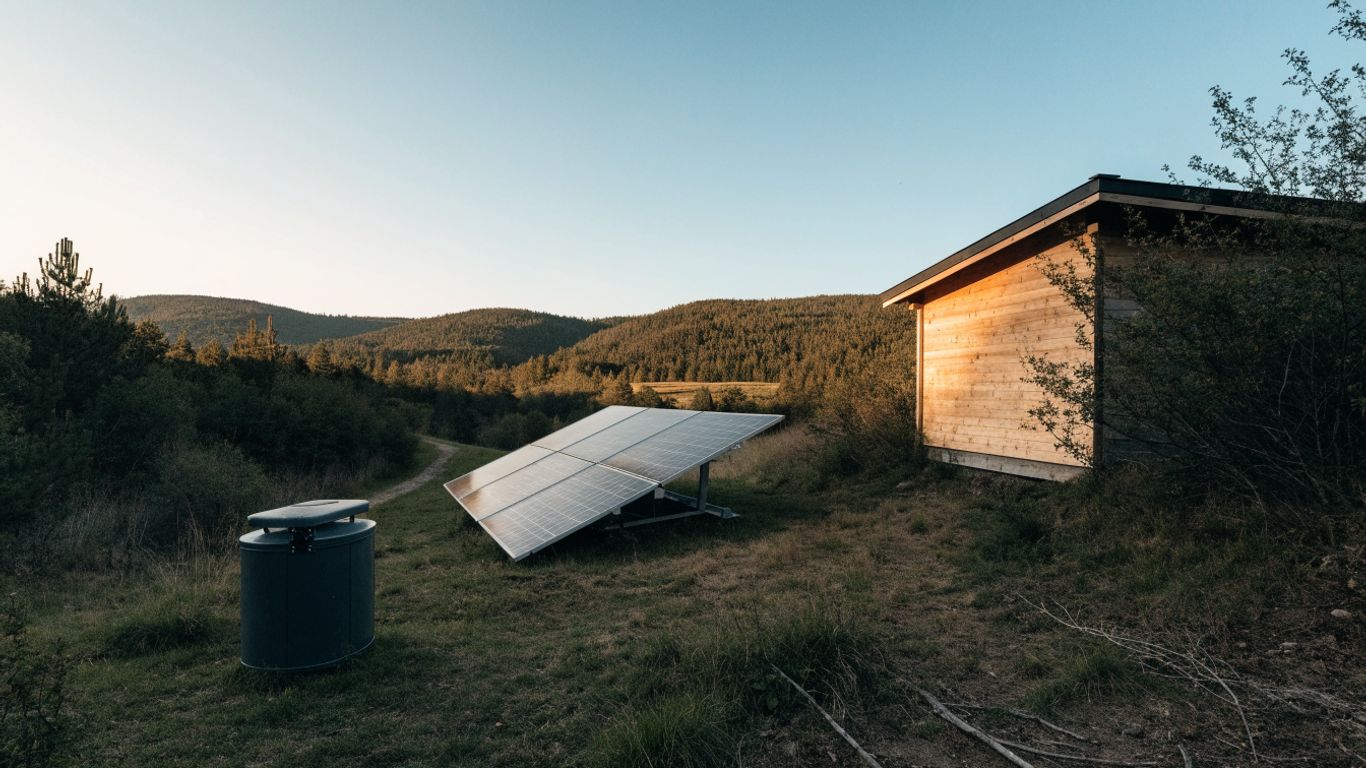
Without an active utility connection, the practical goal is to use surplus generation effectively and maintain enough dependable power through periods of low solar output. Storage, flexible loads, and backup generation each address a different part of that challenge. The right mix depends on energy demand, site conditions, budget, and how much interruption the household or facility can tolerate.
How battery storage captures surplus generation
A battery can absorb excess solar generation for use when the array produces less than the load requires. Sizing involves more than matching a battery to the panel capacity: daily consumption, peak power, autonomy needs, and reserve levels all matter. Readers comparing off-grid power options can use storage capacity and system compatibility as part of a broader assessment rather than treating battery size as the only deciding factor.
When a backup generator can help meet demand
A generator can provide another source of electricity when solar production and stored energy are not enough, such as during extended cloudy weather or an unusually high-demand period. Fuel availability, maintenance, noise, emissions, and safe installation all affect whether it is a suitable choice. In a well-planned system, the generator is sized and operated around defined backup needs rather than used as a substitute for understanding the site’s loads.
How load shifting can make better use of solar power
Some electricity use can be moved to hours when solar output is stronger. Running flexible equipment during the day can reduce the amount of surplus that would otherwise need to be stored, while preserving battery energy for evening or critical loads. The practical opportunity depends on household routines and equipment controls, so the most useful changes are usually the ones that fit normal operation.
Whether community solar or other utility programs are available
Community solar and similar utility programs generally involve a utility or project relationship, so they may not serve a property that is entirely disconnected from the grid. Availability and eligibility depend on local program design and the account holder’s circumstances. Off-grid owners should confirm whether a program can apply to their specific service situation rather than assuming that a solar-related program works without utility service.
How to compare off-grid and grid-connected options
Choosing between an off-grid system and a grid-connected installation involves both engineering and cost trade-offs. Grid service can provide another source of power, but it may involve connection requirements, ongoing charges, and rules for exports. An off-grid design avoids dependence on utility service, while placing more responsibility on the owner to size generation, storage, and backup around real demand.
Estimate household energy use and seasonal demand
Start with energy consumption over time, not only the total on a monthly bill. Identify essential loads, high-power equipment, and periods when demand rises or solar output falls. Seasonal variation matters: a system that meets summer needs may need different capacity or operating plans during shorter winter days or prolonged poor weather.
Compare battery, equipment, and utility costs
A fair comparison includes the full system and its operation, rather than just the solar array or an advertised utility credit. Consider storage, inverters, backup equipment, installation, permitting, maintenance, and any utility-related costs. The eventual value of grid exports should be treated as uncertain until the serving utility confirms the applicable tariff and project eligibility.
Account for outages, reliability, and backup needs
A grid-connected system may shut down during an outage unless it is specifically designed and equipped to provide backup power. An off-grid system must maintain its own supply through low-generation periods, which affects storage and generator requirements. Reliability planning should therefore identify critical loads and the acceptable duration of service interruptions before equipment is chosen.
Check how future grid connection could affect the decision
A property without service today may be connected to the grid later, or a grid-connected owner may consider greater independence over time. Before making a long-term investment, ask whether a future connection would require different equipment, a new application, or changes to the system’s operating mode. That possibility does not guarantee net-metering access, but it can be included in the project’s design assumptions.
Steps to verify local rules before installation
A few direct checks can prevent a project from being designed around an outdated tariff or an assumed right to export. Start with the organizations responsible for the electrical service and local approvals, then confirm the technical and billing rules in writing. The specific documents differ, but the underlying questions are straightforward.
Identify the utility and permitting authority
Determine which electric utility serves the property and which authority handles electrical permits and inspections. For a site near a service-area boundary, verify the provider using the address rather than relying on a neighbor’s experience. Also establish whether a separate authority reviews building, fire, or site requirements that could affect equipment placement.
Review current interconnection and export policies
Read the utility’s current interconnection materials and the tariff that applies to customer generation. Check application timing, allowed operating modes, export treatment, and any system-size or export caps. If the documents are unclear, ask the utility to point to the specific policy or tariff provision governing the proposed configuration.
Confirm equipment, inspection, and application requirements
Before purchasing equipment, confirm which certifications and protective functions are required and whether the utility has a list of accepted equipment. Clarify the application stages, inspection expectations, and any testing or permission-to-operate step. This review is especially useful for hybrid designs, where batteries and export controls can affect how the system is configured.
Get written answers about credits and system eligibility
Verbal guidance can be helpful, but written confirmation gives the project team something concrete to use in design and budgeting. Ask whether the proposed system type is eligible, how exports are credited, whether credits expire, and whether there are fees or limits. Written answers do not replace formal approval, but they make assumptions visible before installation begins.
Conclusion
Net metering is generally an option for systems that connect to the utility under approved rules, not for fully standalone installations. Off-grid owners can instead manage surplus through batteries, flexible demand, and backup generation, while hybrid systems may be eligible if they satisfy local interconnection and program requirements. Confirming current rules with the utility before committing to a design is the most reliable way to understand both technical eligibility and the value of any expected credits.
Frequently Asked Questions
Can an off-grid solar system receive net-metering credits?
Generally, no. A fully standalone system has no active utility connection through which to export electricity or receive utility bill credits.
Can batteries make an off-grid system eligible for net metering?
No, batteries alone do not establish eligibility. A system would need an approved utility connection and must meet the applicable program and interconnection requirements.
Can a hybrid solar system qualify for net metering?
It may qualify if it is connected to the utility and meets local requirements. Eligibility, export limits, and compensation depend on the utility and governing policy.
Do all utilities credit exported electricity at the same rate?
No. Export compensation and bill-credit rules vary by location, tariff, and program. A customer should check the current rules for the specific service address.
What happens to extra solar power in an off-grid system?
Surplus power may charge batteries or be used by flexible loads while it is available. System controls and design determine how excess generation is handled when storage is full.
Does a grid-connected solar system work during a power outage?
Not necessarily. Many systems are configured to stop supplying power during an outage unless they include appropriate equipment and are designed for backup operation.
What should I check before installing a system?
Confirm the utility, permitting authority, interconnection process, equipment requirements, export rules, and credit terms. Obtain written answers and formal approvals before installing or operating a grid-connected system.