No Power? No Problem: Backup Heat Ideas
When the power goes out, staying warm is a top priority. Here are some important things to remember about getting backup heat without electricity.
Key Takeaways
- Traditional fuel sources like wood, propane, and kerosene stoves can provide reliable heat when the power is out.
- Harnessing natural heat through passive solar techniques and using materials that hold heat (thermal mass) can help warm your home.
- Simple DIY solutions, like candle heaters or creating a small, enclosed space for body heat, can offer temporary warmth.
- Improving your home’s insulation by sealing drafts and adding insulation is a long-term strategy to keep heat in.
- Safety is paramount; always ensure proper ventilation for fuel-burning heaters and have working carbon monoxide detectors.
Traditional Fuel-Based Heating Options
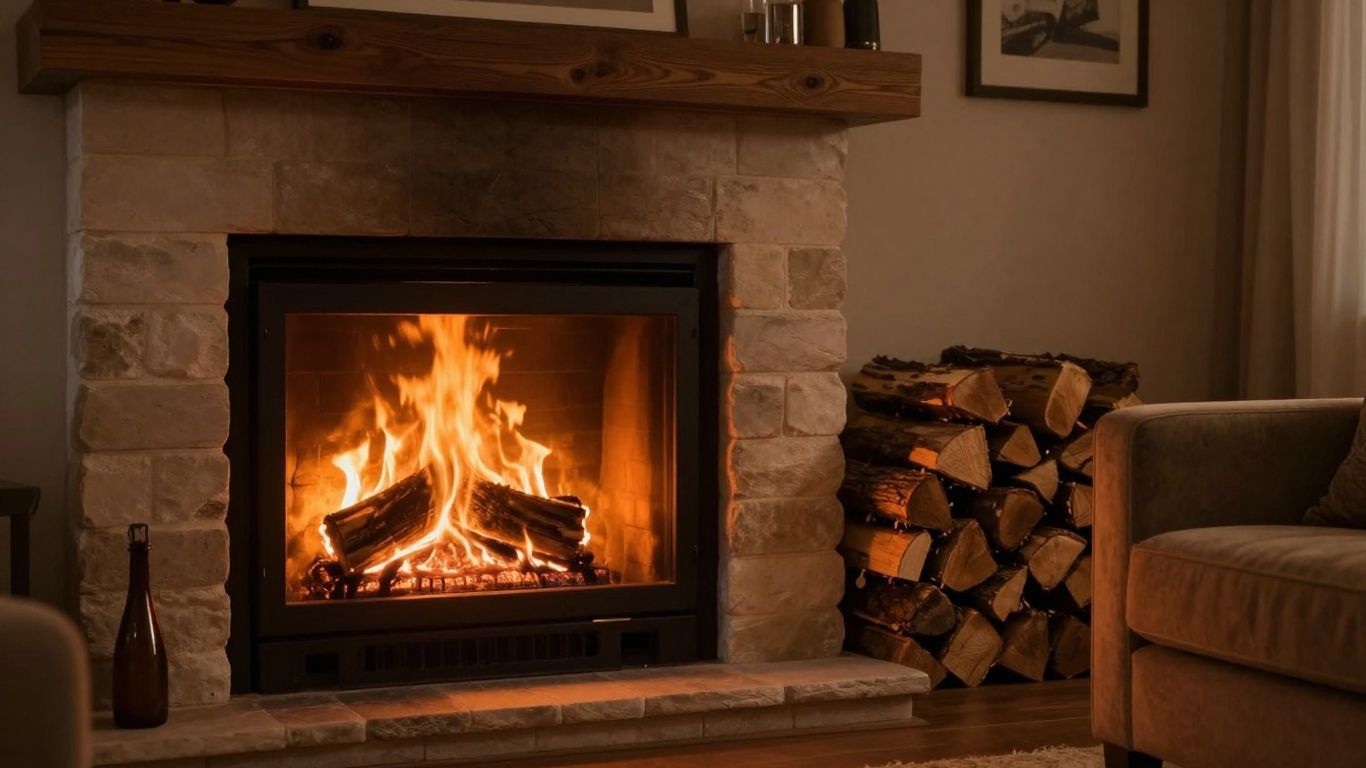
When the power grid goes down, especially during cold snaps, turning to traditional fuel sources is a reliable way to keep your home warm. These methods have been used for generations and offer dependable heat without relying on electricity.
Wood-Burning Stoves For Steady Warmth
For consistent, whole-house warmth, a wood-burning stove is a fantastic option. These stoves provide a deep, comforting heat that can make even the coldest days feel cozy. While they require manual effort to load and maintain, the steady heat output is hard to beat. You’ll want to stock up on seasoned hardwood for the best and cleanest burn. Remember that using a wood stove means you’ll need a good supply of firewood, and it does create some ash that needs cleaning. It’s a classic way of wood stove heating without power that many people still rely on.
Propane Heaters For Efficient Heating
Propane heaters are a popular choice for backup heat because they’re quite efficient and can warm up spaces quickly. Many modern propane heaters boast high efficiency ratings, meaning they make good use of the fuel. They come in various sizes, from small portable units to larger ones that can heat a significant area. Because they use a liquid fuel, they offer a good amount of heat for their size. Just be sure to use them in well-ventilated areas and keep them away from flammable materials.
Kerosene Heaters As A Viable Option
Kerosene heaters are another solid choice for non electric space heaters. They are often more affordable than propane heaters and the fuel itself is readily available. Kerosene provides a good amount of heat, making these units effective for warming rooms. When looking for a kerosene heater, opt for models with safety features like protective grills and automatic shut-off functions. Proper ventilation is key with any fuel-burning appliance, and kerosene heaters are no exception.
Always prioritize safety when using any fuel-burning appliance. Ensure adequate ventilation to prevent the buildup of harmful gases and keep a working carbon monoxide detector nearby.
Harnessing Natural Heat Sources
When the power grid goes down, looking to nature for warmth is a smart move. These methods don’t rely on electricity or traditional fuels, making them great backup options.
Passive Solar Heating Techniques
Passive solar heating is all about using the sun’s energy to warm your home. Think of it like a greenhouse. On sunny days, open up your curtains and windows, especially those facing south. This lets the sunlight stream in and heat up your rooms. It’s a simple way to gain free heat without using any power. As evening approaches, close those windows and curtains to trap the warmth inside. While it’s most effective during the day, the residual heat can make a noticeable difference overnight, especially when combined with blankets.
Utilizing Thermal Mass For Heat Retention
Thermal mass refers to materials in your home that can absorb and store heat. Things like concrete floors, brick walls, or even a large soapstone structure can soak up the sun’s warmth during the day and then slowly release it as the temperature drops. This helps keep your living space more comfortable for longer periods. While you can’t easily add significant thermal mass to an existing home without major renovations, understanding its role can help you appreciate how certain building materials contribute to a more stable indoor temperature. You can also use items like large, dense stones or even water containers placed in sunny spots to add a bit of temporary thermal mass to a room.
Keeping your home sealed against drafts is key to making any heating method, natural or otherwise, more effective. Even a small gap around a window or door can let a lot of warm air escape. Using towels at the base of doors or heavy curtains can make a surprising difference in retaining heat, especially when you’re relying on passive methods.
DIY and Low-Tech Heating Solutions
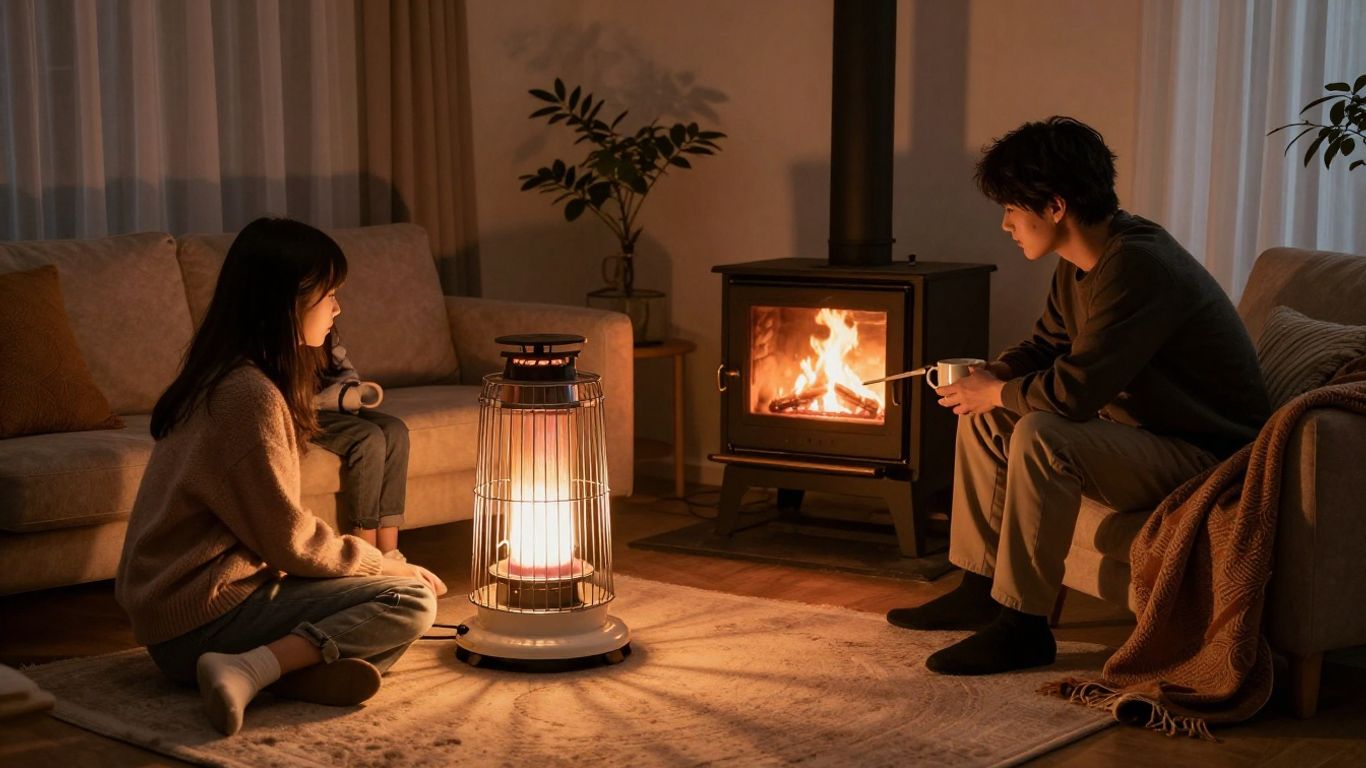
When the power grid goes down, don’t panic. There are plenty of ways to stay warm using simple, low-tech methods. These alternative heating methods no power rely on ingenuity and readily available materials, making them great emergency heat sources off grid.
The Burner Can Biofuel Solution
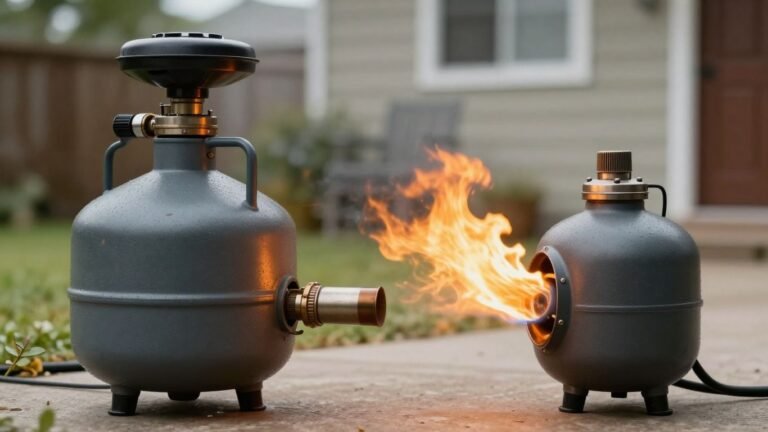
This is a neat trick for a quick heat boost. You can use a burner can filled with biofuel. It’s not meant for all-day heating, but it can provide a temporary warmth. If you have some wood scraps, you can even extend the burn time. Just remember to be careful; these can be a fire hazard if not used properly. Keep them away from kids and pets, and always place them on a stable, non-flammable surface. Using reusable and refillable cans is a good way to cut down on waste and save a bit of money too.
Creating a DIY Candle Heater
Ever seen those videos of people making heaters out of terracotta pots and candles? It’s surprisingly effective for warming up a small space. You’ll need a few candles and some pots. The idea is that the candles heat the pots, which then radiate that warmth. It’s a simple concept, but it works. This is a great option if you’ve got candles lying around, which many people do in areas prone to outages. It’s a quiet and relatively safe way to add some heat to a room, much like camping heat without electricity setups.
Indoor Camping for Concentrated Warmth
This is a clever way to make the most of your body heat. Basically, you create a smaller, cozier space within a larger, colder room. Think of setting up a small tent or a fort using blankets and furniture right in your living room. This drastically reduces the amount of air you need to warm up. When you’re in this enclosed space with family or pets, your combined body heat can significantly raise the temperature. It’s like being in a super-insulated sleeping bag, a zero-energy process that keeps you toasty.
When the power is out, sealing up drafts is your first line of defense. Check around doors and windows for any leaks. You can use towels, blankets, or even temporary caulk to block those cold air intruders. Heavy curtains can also make a big difference in keeping heat inside.
Improving Your Home’s Heat Retention
When the power goes out, especially during colder months, keeping your home warm becomes a top priority. While backup heaters are great, preventing the heat you do have from escaping is just as important. Think of it like trying to fill a leaky bucket – you need to plug the holes first. Making your home a better insulator is a smart, proactive step that pays off long after the power comes back on.
Sealing Drafts Around Doors And Windows
Drafts are sneaky little heat thieves. Cold air seeps in, and warm air makes a quick exit, often without you even noticing. The good news is, tackling these drafts is usually pretty straightforward.
- Doors: Check the bottom of your doors. You can use draft stoppers, which are basically fabric tubes filled with something heavy like sand or rice. Even a rolled-up towel or blanket can work in a pinch to block that gap.
- Windows: Windows can be a major source of heat loss. Heavy curtains or drapes are your friends here. If you have them, keep them closed, especially at night. For a more temporary fix, you can even use bubble wrap; just lightly mist the window with water and press the bubble wrap (bubble side to the glass) onto it. It’s a surprisingly effective way to add a bit of insulation.
- Other Gaps: Don’t forget about places where pipes or wires enter your house. Small gaps around these can let a surprising amount of cold air in. Caulk or weatherstripping can seal these up.
Weatherizing your home is a key part of keeping it comfortable and can reduce the strain on any heating system you’re using [3546].
Enhancing Insulation For Long-Term Savings
While sealing drafts is immediate, improving your home’s overall insulation is a more involved project, but the benefits are huge, especially during power outages. Good insulation acts like a thermal blanket for your house, slowing down heat loss.
- Attics and Basements: These are often the biggest culprits for heat escape. Adding more insulation here can make a significant difference.
- Walls: Insulating walls is more complex, but if you’re doing renovations, it’s the perfect time to add it.
- Floors: Especially if you have a crawl space or unheated basement, insulating the floor above can keep your living space warmer.
This isn’t just about power outages; better insulation means lower energy bills year-round.
Creating A Designated Heating Room
When a power outage hits, trying to heat your entire house can feel like an impossible task. Instead, focus your efforts on one smaller, well-insulated room. This is often called a "heating room" or "safe room."
- Choose Wisely: Pick a room that’s smaller, has fewer windows, and is ideally on a lower floor.
- Seal It Off: Close the door to this room and close off any interior doors leading to other parts of the house. This concentrates any available heat.
- Make It Cozy: Bring in blankets, sleeping bags, and comfortable seating. If you have a portable heater (like a wood stove or propane heater), this is the place to use it, but always follow safety guidelines.
By concentrating your body heat and any supplemental heat source in one area, you can stay much warmer and more comfortable. It’s a practical way to manage your home’s temperature during an emergency, much like how people manage their finances by focusing on specific goals [d7e5].
Focusing on a single room during an outage is a smart strategy. It minimizes the space you need to heat, making your efforts much more effective. This approach helps conserve warmth and makes it easier to maintain a comfortable temperature, especially when relying on body heat or limited backup sources.
Personal Warmth And Body Heat
When the power goes out and your main heating system is down, focusing on your own body heat and personal comfort becomes a top priority. It’s about making the most of what you have right on you and around you to stay warm.
Hand And Foot Warmers For Extremities
These little packets are lifesavers for keeping your fingers and toes from getting painfully cold. They work through a simple chemical reaction, usually involving iron powder oxidizing when exposed to air. You can get disposable ones that last for hours, or reusable types you can boil to reactivate. Sticking them in your gloves, boots, or pockets helps keep your extremities warm, which in turn helps your core body temperature stay up. They’re small, lightweight, and a really practical addition to any emergency kit.
Cozy Bedding To Minimize Heat Loss
Think about your sleeping arrangements. Using layered bedding, especially fleece or wool, can make a big difference in trapping your body heat. This creates an insulating barrier that prevents warmth from escaping, particularly through your mattress. If you’re sharing a bed, even better – more bodies mean more warmth. Consider setting up a small, enclosed space within a larger room, like a makeshift fort with blankets and furniture. This reduces the amount of air you need to heat with your own body, making it much more efficient, almost like a personal, zero-energy heating system.
Generating Body Heat Through Light Exercise
Don’t just sit there and shiver! A bit of light movement can get your blood flowing and generate some much-needed warmth. Think gentle stretches, walking in place, or simple calisthenics. The key is to avoid sweating, as dampness can actually make you feel colder faster. It’s a delicate balance, but a little bit of activity can significantly boost your comfort level. If you’re concerned about keeping your home warm, pre-heating it before a potential outage can help retain heat longer, and having a reliable battery backup system can keep essential appliances running.
When temperatures drop significantly, it’s important to have a plan. If indoor temperatures reach around 40°F (4°C), it might be time to consider finding more substantial shelter. Staying active, eating calorie-rich foods, and drinking warm beverages are all good strategies to keep your internal furnace running. Remember, keeping your spirits up is just as important as staying physically warm during these challenging times.
Modern Backup Heating Systems
When the power grid decides to take a break, relying solely on traditional methods can feel a bit old-school. Luckily, technology has caught up, offering some pretty neat ways to keep warm without the usual electricity.
Home Battery Backup Systems For Heating
Think of these as giant power banks for your home. These systems store electricity, usually from the grid when power is available, or from solar panels, and can then power your heating appliances when the main electricity goes out. Unlike noisy generators that need constant refueling and outdoor ventilation, battery backup systems are quiet, clean, and can be used right inside your home. Systems like the BLUETTI Apex 300, especially when paired with expansion batteries, can run heating devices for extended periods. For instance, a space heater running on a medium setting (around 1000W) could potentially run for nearly 4.5 hours with the Apex 300 and an added battery. It’s a more convenient and less intrusive way to maintain a comfortable temperature. You can find more details on how these systems work and their runtime capabilities here.
Solar Power With Battery Storage
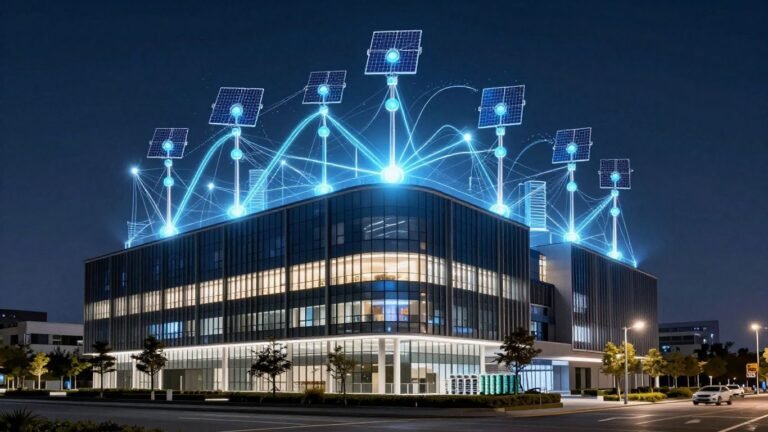
This is a more forward-thinking approach, but it’s becoming increasingly practical. Installing solar panels on your roof might seem like a big project, but when combined with a battery storage system, it offers a sustainable way to power your home, including your heating, during outages. The idea is that your solar panels generate electricity during the day, which is then stored in batteries. This stored energy can then be used to power your heating systems when the sun isn’t shining or when the grid fails. It’s a great way to reduce your reliance on fossil fuels and have a reliable backup, especially as extreme weather events become more common. Having solar and storage means your home can stay warm and functional even when the neighborhood is dark.
While the upfront cost of battery backup and solar systems can be significant, they offer long-term benefits beyond just emergency heating. They can reduce your monthly energy bills and provide a sense of security knowing you have a reliable power source when you need it most.
Essential Safety Considerations
When you’re relying on alternative heat sources during a power outage, safety has to be your number one priority. It’s easy to get caught up in just staying warm, but overlooking safety can lead to serious problems. Always prioritize proper ventilation and safe practices, no matter what heating method you choose.
Proper Ventilation for Fuel-Burning Heaters
If you’re using anything that burns fuel – like wood stoves, propane heaters, or kerosene heaters – you absolutely need to make sure there’s a way for the fumes to get out. Burning fuel creates carbon monoxide, which is a colorless, odorless gas that can be deadly. You can’t see it, you can’t smell it, but it can build up inside your home really fast.
- Never use indoor-rated fuel-burning heaters outdoors, or outdoor-rated ones indoors. They are designed for specific environments.
- Ensure chimneys and vents are clear of obstructions. Leaves, snow, or even bird nests can block them.
- Open a window slightly even if it feels cold. A small crack can make a big difference in air exchange.
Using fuel-burning appliances without adequate ventilation is one of the most dangerous mistakes you can make during a power outage. It’s not worth the risk.
Using Heaters With Automatic Shut-Off Features
Many modern heaters, especially electric ones and some portable fuel-burning models, come with safety features. One of the most important is an automatic shut-off. This can prevent fires and other accidents.
- Tip-over switch: This shuts the heater off if it gets knocked over.
- Overheat protection: This stops the heater from getting too hot, which could damage it or start a fire.
- Timers: Some heaters have built-in timers that will turn them off after a set period.
When buying any new heater, check the safety features. Even if you’re using an older model, be extra vigilant about keeping it stable and monitoring its temperature. For things like electric blankets, check them for fraying or damage before each use, and look for models with automatic shut-off mechanisms [04a3].
Maintaining Carbon Monoxide Detectors
This is non-negotiable. You need working carbon monoxide (CO) detectors in your home, especially when using fuel-burning appliances. Think of them as your early warning system.
- Test them regularly: Push the test button monthly to make sure the alarm works.
- Replace batteries: CO detectors need fresh batteries, usually once a year, even if they have long-life batteries.
- Know the sounds: Understand the difference between a smoke alarm and a CO alarm. If your CO detector goes off, get everyone outside immediately and call the fire department. Don’t assume it’s a false alarm.
Conclusion
Having a plan for backup heat without electricity is smart. You don’t have to rely on the power grid to stay warm. By picking a couple of these methods, like a wood stove or even just sealing up your home better, you can make a big difference. Remember to always put safety first, especially with anything that burns fuel. Staying warm during an outage is totally doable with a little preparation.
Frequently Asked Questions
What’s the easiest way to get heat if the power goes out?
One of the simplest ways is to use a portable propane heater designed for indoor use. Just make sure the room is aired out a bit so you don’t breathe in too much. They give off good heat pretty quickly.
Can I really heat my house with just candles?
You can create a small DIY heater using candles and terracotta pots. It won’t heat up a whole house, but it can warm up a small area or a single room. It’s better than nothing, especially if you’re just trying to take the edge off the cold.
Is it safe to use a kerosene heater inside?
Kerosene heaters can be used indoors, but safety is super important. You absolutely need to make sure the area is well-ventilated to let out fumes. Always follow the instructions that come with the heater, and never leave it on when you’re sleeping.
How can I keep my home warm without using any extra heaters?
You can do a lot by just making your home better at holding heat. Seal up any cracks around windows and doors with towels or weatherstripping. Close off rooms you aren’t using. Also, using thick curtains can help keep the warmth inside.
What about using body heat to stay warm?
Absolutely! Huddling together with family or pets in one room traps body heat. Wearing layers of clothing, especially wool or fleece, also helps a lot. Even light exercise can generate some warmth, just don’t sweat too much.
Are there any modern ways to get backup heat without electricity?
Yes, there are. You could look into home battery backup systems that can power your regular heating system for a while. Solar panels with battery storage are another option, though that’s a bigger investment for the long run.