FERC microgrid regulations: A practical guide to federal jurisdiction, interconnection, and compliance
Key Takeaways
FERC jurisdiction depends on what a microgrid does, who owns its assets, and how electricity moves—not simply on whether the project is called a microgrid. Federal, state, and local requirements may all apply.
- FERC generally regulates wholesale electricity sales and certain interstate transmission, while states oversee most retail service and local distribution.
- A grid connection does not automatically make every microgrid activity subject to FERC jurisdiction; exports, ownership, and transactions matter.
- FERC Order No. 2023 addresses generator interconnection procedures for transmission providers, but many distribution-level connections follow utility and state processes.
- State tariffs, utility agreements, permits, reliability requirements, and possible federal exemptions need project-specific review.
- A useful compliance review starts with a clear map of assets, operating modes, counterparties, and points of connection, then gets updated when the project changes.
What FERC regulates—and what it does not
FERC microgrid regulations are best understood by looking at the activity under review, rather than treating a microgrid as a single regulatory category. Federal jurisdiction may be relevant to wholesale electricity sales and interstate transmission, while state and local authorities commonly oversee retail service, distribution, and siting. A project can involve both federal and state rules at once. That is why identifying the transaction and the grid connection is an early practical step.
FERC’s authority over wholesale electricity sales and transmission
Under the Federal Power Act, FERC regulates certain wholesale electricity sales and transmission in interstate commerce. A sale of electricity for resale may therefore raise federal requirements even when the generator is small or located near the customer. FERC also regulates transmission rates and terms within its jurisdiction. Whether a particular microgrid transaction fits those categories depends on its facts, including the buyer, seller, purpose of the sale, and applicable exemptions.
Why retail service and local distribution are generally state-regulated
Electricity sold to an end user for its own consumption is generally treated as a retail sale, which is usually within state authority. State public utility commissions often regulate retail rates, utility service, and distribution arrangements, although the precise division depends on the circumstances and state law. A microgrid serving a campus or commercial site may interact with these rules even if it does not sell power into a wholesale market. The distinction between retail and wholesale is about the transaction, not just the voltage or distance involved.
How ownership and transactions can affect jurisdiction
Ownership can affect the analysis because the legal relationship between a generator, a utility, a site host, and other users may determine who is selling electricity and to whom. A project company that owns generation and wires may raise different questions from a customer-owned system serving a single load. Contract labels alone do not settle jurisdiction; regulators may look at the substance of the arrangement. For a broader view of federal microgrid policy, consider how federal market rules intersect with state authority and project design.
Why a microgrid’s configuration matters more than its label
“Microgrid” describes a system arrangement, not a blanket exemption from regulation. A system may operate behind one customer meter, serve multiple customers, connect to a utility distribution system, or participate in transactions beyond its site. Those details can change which rules apply. In practice, the transaction and connection often matter more to jurisdiction than the project’s name.
How microgrid design affects FERC jurisdiction
A microgrid’s electrical design and operating plan help determine whether it functions only as an on-site resource or also participates in regulated grid activity. Its point of connection, export capability, ownership boundaries, and islanding controls all deserve attention. Projects should evaluate both normal operation and less frequent operating conditions, such as outages or planned maintenance. The same equipment can raise different regulatory questions depending on how it is configured and used.
Grid-connected and islanded operating modes
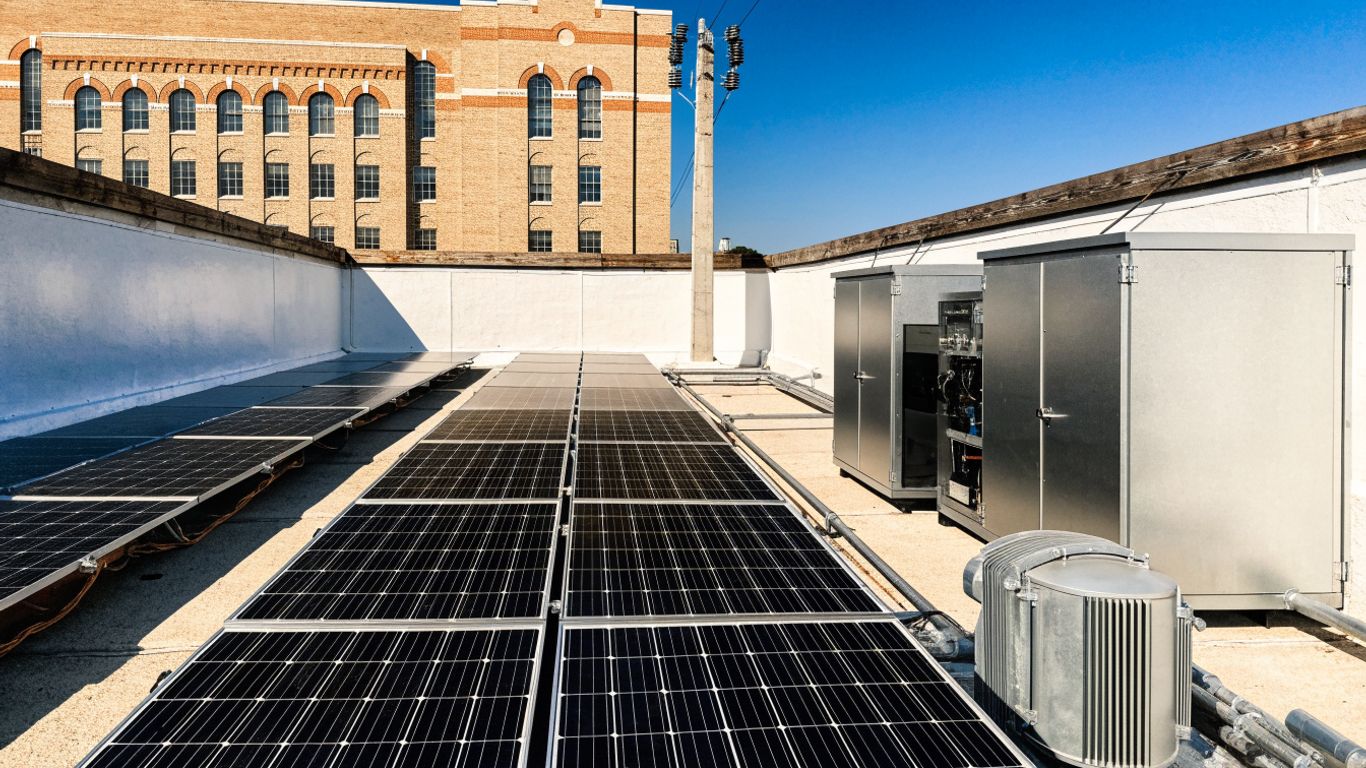
A grid-connected microgrid can import electricity and may be able to export it, depending on its equipment and agreements. An islanded mode disconnects the local system from the wider grid, but does not by itself determine whether earlier or later transactions are federally regulated. A project should document the conditions for separating from and reconnecting to the utility system, including who controls those actions. These operating details also shape interconnection studies and utility review.
Behind-the-meter systems and electricity exports
A behind-the-meter system is located on the customer side of a utility meter, but that description alone does not resolve jurisdiction. If the system only serves on-site load, the regulatory questions may differ from those that arise when electricity is exported or sold. Export capability, actual exports, and contractual arrangements should be evaluated separately. Commercial projects preparing for utility review may benefit from understanding commercial interconnection studies, including how export limits and protection requirements can affect design.
Qualifying facilities and other potential exemptions
Some facilities may qualify for exemptions or special treatment under federal law and regulations. Qualifying facility status under the Public Utility Regulatory Policies Act can depend on the facility’s characteristics, ownership, and applicable filing or certification requirements. It should not be assumed from a project’s size or renewable technology alone. Developers should confirm current eligibility criteria and any associated obligations with qualified counsel or the relevant regulator.
How control of generation and wires can change the analysis
The party that controls generation, distribution wires, switching, and customer service may affect whether an arrangement resembles private on-site service or regulated utility activity. Serving multiple users over privately owned wires, for example, can prompt questions under both state and federal law. Control can also be divided among the site host, utility, operator, and asset owner. A careful review identifies those roles rather than assuming that one project entity controls every part of the system.
Interconnection, exports, and wholesale market participation
Interconnection is a technical process with regulatory consequences, but not every connection follows the same FERC pathway. A project may connect to a local distribution utility or seek access through transmission-level procedures, and the relevant rules depend on the point of interconnection and the service requested. Exporting power or joining a wholesale market can add requirements beyond the physical connection. Early coordination helps avoid designing around an export or market participation assumption that has not been approved.
When FERC-jurisdictional interconnection rules may apply
FERC-jurisdictional interconnection procedures may apply when a generator seeks to connect to facilities subject to FERC’s transmission jurisdiction or requests transmission service under relevant tariffs. Many smaller projects connect to distribution systems under state or utility processes instead. The project’s voltage, location, intended service, and the utility’s tariff are relevant, but no single factor is conclusive in every case. Confirm the applicable process with the interconnecting utility and review the governing agreements.
How FERC Order No. 2023 may affect generator interconnection
FERC Order No. 2023 revised generator interconnection procedures and agreements used by transmission providers, with reforms intended to address study processes and queues. Its applicability depends on the transmission provider and the interconnection request; it is not a universal rule for every distribution-connected microgrid. A project should confirm how the relevant provider has implemented the requirements and which procedures govern its request. For context on the broader regulatory landscape, US microgrid regulatory policy includes the role of interconnection rules in local energy systems.
Requirements for selling power into wholesale markets
A microgrid seeking to sell electricity or provide services in a wholesale market may need to meet FERC, market-operator, and tariff requirements. Depending on the transaction, these can include authorization or registration, metering and telemetry, operating standards, and market participation rules. The applicable path varies by resource type, market, and transaction. Before making a commercial commitment, project participants should verify eligibility and the required filings with the relevant authorities and market operator.
Export limits, utility agreements, and operating constraints
Export limits can be set through interconnection studies, utility tariffs, or project-specific agreements. They may affect inverter settings, protection schemes, dispatch controls, and the project’s ability to operate during certain grid conditions. A system designed for limited or zero export still needs to be assessed against its actual operating characteristics and the utility’s requirements. Written agreements should specify the authorized operating envelope and procedures for changes.
Rates, tariffs, and utility arrangements
A microgrid can encounter several layers of charges and service terms, depending on its imports, exports, and use of utility facilities. FERC-regulated rates may apply to wholesale transactions or jurisdictional transmission, while state-approved tariffs usually govern retail service and distribution charges. Backup and parallel operation can also carry distinct contractual requirements. Sorting these layers out early makes project costs and operational obligations easier to assess.
FERC-regulated wholesale and transmission rates
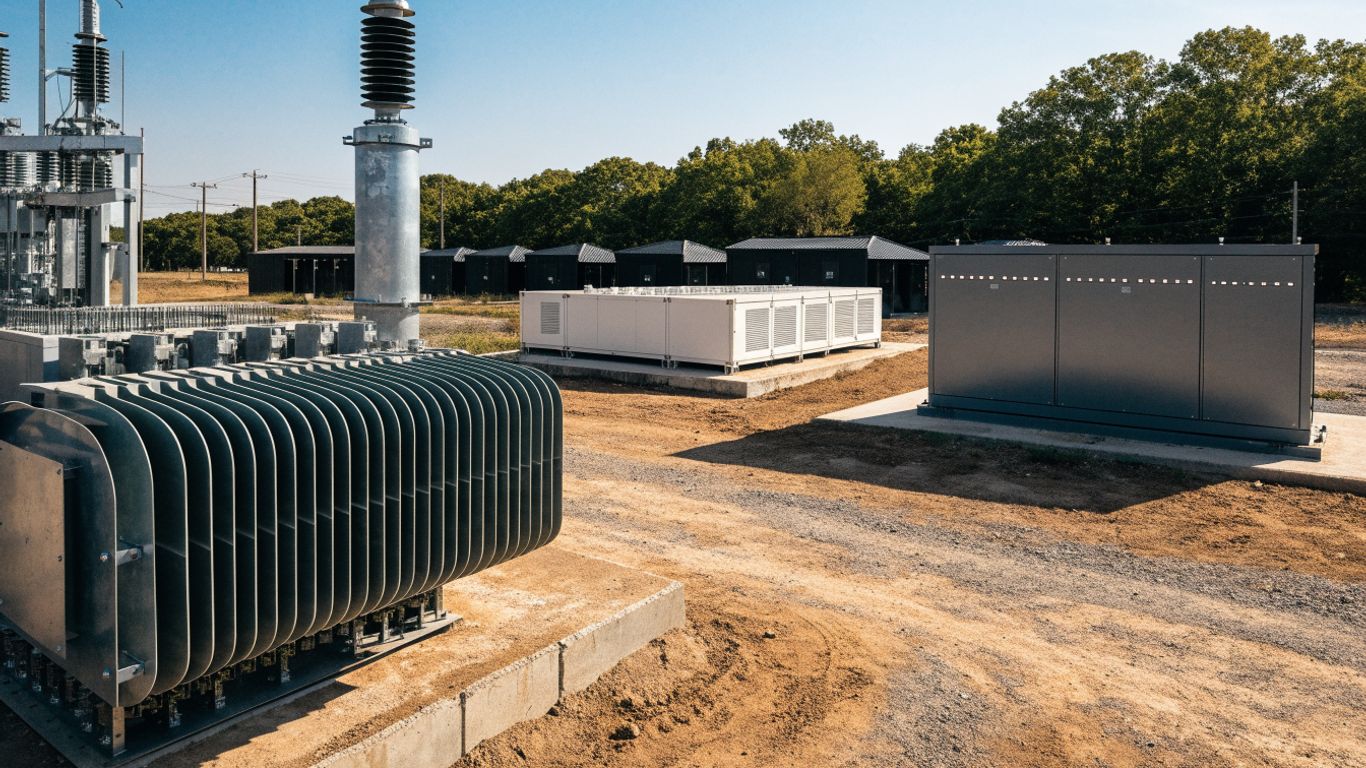
FERC regulates rates and terms for certain wholesale sales and interstate transmission, generally requiring them to be just and reasonable and not unduly discriminatory. A microgrid’s participation in these services may therefore involve a FERC-approved tariff or other applicable authorization. The precise rate depends on the transaction and the relevant transmission provider or market rules. A retail utility bill should not be treated as a complete summary of potential wholesale or transmission obligations.
State-approved retail tariffs and distribution charges
Retail tariffs and distribution charges are generally established under state processes, often through a public utility commission or another authorized state body. Charges may include energy, demand, standby, or other service components, depending on the tariff and customer class. A microgrid that reduces grid imports may still remain subject to fixed or service-related charges. Review the current tariff rather than relying on a general assumption about how on-site generation affects bills.
Service agreements for backup, standby, and parallel operation
Utility agreements can address backup supply, standby service, parallel operation, protection, metering, and emergency procedures. The details vary by utility and jurisdiction, so project teams should identify which services they require and how they will be billed. Agreements also help clarify who may operate switches and how the system must respond to abnormal grid conditions. For a commercial project, the agreement should align with the control strategy and the interconnection approval.
Coordination with utilities and regional transmission organizations
Projects that interact with a regional transmission organization or independent system operator may need to coordinate with both the local utility and the market operator. These organizations have different roles: the utility manages local interconnection and service, while a regional operator may administer wholesale markets and transmission operations. The project should establish a clear point of contact for each process. This coordination reduces the risk of inconsistent assumptions about dispatch, telemetry, or export permissions.
State and local rules that interact with FERC oversight
Federal review does not displace the many state and local requirements that shape a microgrid project. State law may govern retail service, utility regulation, and aspects of distributed generation, while local authorities handle land use, building, and electrical permits. Reliability rules may also apply based on the system’s role and connections. Developers should treat compliance as a coordinated review across jurisdictions, not a single federal approval.
State public utility commission authority
State public utility commissions commonly oversee retail rates, distribution utilities, and utility service within their jurisdiction. They may also have rules for net metering, distributed generation, microgrid tariffs, or service to multiple customers. The scope of authority differs from state to state, and state definitions of a microgrid may not determine federal jurisdiction. Check the applicable statutes, commission orders, and utility tariffs for the project location.
Local siting, building, and electrical permits
Local approvals may cover land use, noise, fire safety, building construction, and electrical work. Requirements can vary with generation technology, fuel storage, site layout, and whether the installation is new construction or a retrofit. Permits should be coordinated with engineering plans and utility review so that equipment and protection designs remain consistent. Local approval does not substitute for any separate state or federal authorization that may apply.
State-specific microgrid definitions and policies
Some states have adopted policies or definitions that address microgrids, utility service, or customer choice. These rules can affect ownership structures, service to multiple customers, tariffs, and approval pathways. Since terminology and scope are not uniform nationwide, project teams should avoid assuming that a definition used in one state carries over elsewhere. The project’s location and exact service model guide the state-law review.
Reliability requirements and applicable NERC standards
NERC reliability standards apply to registered entities and specified facilities or functions within the bulk power system framework; they do not automatically apply to every small microgrid. A project’s connection, operational role, ownership, and registration status help determine whether particular standards are relevant. Utilities and transmission providers may also impose technical requirements through tariffs and agreements. Confirm the applicable obligations with the responsible entities rather than inferring them from system size alone.
A practical compliance pathway for microgrid projects
A well-organized compliance review begins with project facts and follows the electricity through the system. It should cover ownership, physical connections, operating modes, transactions, and all required utility services. Because many rules depend on project-specific details, early review is more useful than relying on a generic checklist. The following steps provide a practical starting point, not a substitute for legal or engineering advice.
Map assets, ownership, operating modes, and points of connection
Start with a single-line diagram and an ownership map showing generation, storage, wires, meters, and points of connection. Record who controls each asset and when the system can import, export, island, or reconnect. This information supports both jurisdictional review and technical coordination. A feasibility review can also organize site readiness, load requirements, and regulatory questions; see this overview of a microgrid feasibility study.
Identify electricity sales and services between project participants
Next, identify each party that supplies, receives, or pays for electricity and related services. Distinguish retail consumption from sales for resale, and note whether power is transferred among tenants, affiliates, a host, or a utility. Agreements should match the physical flow of electricity and the intended operating arrangement. Ambiguous billing or service descriptions can make it harder to determine which regulatory framework applies.
Check applicable filings, registrations, and exemption criteria
Once the transactions and connections are mapped, check whether the project needs federal filings, market registration, state approvals, or a qualifying facility determination. The applicable requirements depend on the resource, transaction, interconnection path, and any exemption claimed. Keep evidence supporting eligibility and track deadlines or conditions tied to approvals. Do not assume that an exemption removes unrelated state, local, or technical requirements.
Document agreements and review compliance as the project changes
Maintain current copies of interconnection agreements, tariffs, operating procedures, permits, and market documents. Review them when ownership changes, new loads or generators are added, export settings change, or the project begins a new service or market activity. A compact tracking table can help teams see which authority or agreement governs each part of the project:
| Project issue | Typical review area | Useful project record |
|---|---|---|
| Wholesale sale or market service | FERC and market rules | Contracts, filings, and registrations |
| Distribution connection | Utility and state process | Interconnection approval and settings |
| Retail service and standby supply | State tariff and utility agreement | Rate schedule and service contract |
| Site construction and safety | Local permitting authorities | Approved plans and inspection records |
The table is a starting point, not a jurisdictional determination. Project teams should update it as system design and operating arrangements evolve, and seek qualified legal and engineering advice where the facts are uncertain.
Conclusion
FERC oversight of a microgrid turns on the activities it performs, the transactions among participants, and its relationship to the transmission and distribution systems. Federal rules may govern wholesale sales or transmission, while state and local requirements shape retail service, interconnection, siting, and operations. Mapping these layers early—and revisiting them when the project changes—helps teams make sound decisions without assuming that one label or approval settles every question.
Frequently Asked Questions
Does FERC regulate every microgrid?
No. FERC jurisdiction depends on activities such as wholesale electricity sales and certain interstate transmission. Many retail, distribution, siting, and permitting matters are handled by state or local authorities.
Does a grid connection automatically put a microgrid under FERC jurisdiction?
No. A connection alone does not decide the issue. The point of interconnection, requested service, electricity transactions, and applicable tariffs all matter.
Are behind-the-meter microgrids exempt from federal rules?
Not automatically. Behind-the-meter location is relevant context, but exports, sales, ownership, and other activities may raise separate federal questions.
What does FERC Order No. 2023 cover?
Order No. 2023 revised generator interconnection procedures and agreements for transmission providers. Its applicability depends on the provider and the interconnection request; it is not a universal distribution-connection rule.
Can a microgrid sell electricity to a wholesale market?
Potentially, subject to applicable FERC requirements, market rules, interconnection approvals, and technical requirements. The project should verify eligibility and any required filings before participating.
What is a qualifying facility?
A qualifying facility is a facility that meets criteria under the Public Utility Regulatory Policies Act and related regulations. Eligibility and any filing or certification requirements depend on the facility and its circumstances.
Which state and local approvals might a microgrid need?
Depending on location and design, approvals may include utility interconnection, retail service arrangements, siting, building, fire, and electrical permits. State rules and local requirements vary, so project-specific review is necessary.