How to size a microgrid for wastewater pumping stations: A step-by-step guide
Key Takeaways
A sound microgrid design starts with the wastewater service the station must maintain, then works backward to electrical loads, generation, storage, and controls. The final design should be tested against ordinary operations as well as difficult outage conditions.
- Define which pumping and control functions must remain available, and for how long.
- Build the load model from measured data and equipment behavior, including motor starts.
- Match generation and fuel plans to coincident critical demand and seasonal conditions.
- Size batteries for both energy duration and the power needed for changing loads.
- Simulate operating cases and confirm the design through detailed engineering and commissioning.
Define service and resilience requirements
Microgrid sizing begins with the service outcome, not a generator or battery specification. A wastewater station’s priorities depend on its role in the collection system, the consequences of a pumping interruption, and the time available before storage or other system limits are reached. Write down the operating conditions the design must support before comparing equipment options.
Set performance goals for cost, emissions, and reliability
Decide how the project will balance utility costs, fuel use, emissions, and continuity of service. These aims can point in different directions: a system optimized for reducing peak demand may not provide the same outage endurance as one designed around long-duration backup. Set measurable goals where the project has reliable baseline data, and state assumptions plainly where it does not. MicroCityGrid’s educational coverage of decentralized energy is grounded in making these trade-offs understandable rather than treating one objective as the answer for every site.
Identify pumps and controls that must remain powered
List the equipment needed to keep the station within its required operating limits. That may include selected pumps, control panels, instrumentation, communications, and supporting equipment, but the actual critical set must come from facility operators and engineering review. Distinguish between equipment required immediately during an outage and equipment that can be restored in sequence. A critical-load list is a service decision as much as an electrical one.
Set the required outage duration and recovery time
Define how long the station should operate without the utility, and whether that target assumes fuel deliveries, renewable production, or another resource will be available. Also specify what happens when utility service returns: the microgrid may need to transition without interrupting pumping, and equipment may need to recover in stages. The outage target should reflect credible local risks and the consequences of losing service, not an arbitrary number of hours. A business microgrid sizing guide provides a related framework for assessing critical loads, outage needs, and operating modes.
Account for wet-weather flows and emergency pumping needs
Wet-weather conditions can change both the amount of water entering a system and the pumping pattern required to manage it. Use operating records and facility plans to identify peak-flow periods, emergency pumping arrangements, and any load that becomes essential during severe weather. Do not assume that average-day consumption describes the worst case. Resilience concerns at water and wastewater facilities are discussed in this overview of water and wastewater outage risks, which also helps frame why service priorities matter.
Build a dependable electrical load model
The load model translates the service goals into electrical demand that generation, storage, and controls must support. It should describe not only how much power the station uses, but when equipment runs and how demand changes as conditions change. Treat it as a working engineering record: revise it when measurements, equipment schedules, or operating assumptions change.

Collect interval data, equipment schedules, and utility bills
Collect interval meter data at a resolution that reveals operating patterns, then compare it with utility bills and equipment schedules. Bills help establish total consumption and demand charges, while interval readings show when peaks occur and whether they align with pump operation. Check the time period for missing data and unusual events, and ask operators whether recorded patterns represent normal service. A compact inventory makes the evidence easier to review:
| Information | What it helps establish | Check before using it |
|---|---|---|
| Interval meter readings | Load shape and coincident peaks | Coverage, time resolution, and missing intervals |
| Equipment schedules | Which assets can operate together | Actual practice versus nominal schedules |
| Utility bills | Energy use and billed demand | Billing period and tariff assumptions |
| Operator records | Flow events and unusual operating modes | Whether events are routine or exceptional |
Taken together, these records help separate measured conditions from estimates. Where the available data is incomplete, document the gap and use a conservative assumption that can be revisited during design.
Map pump duty cycles to flow, head, and operating conditions
Relate each pump’s operation to the flow and head conditions it serves, rather than assigning it a single assumed load. Duty cycles can shift with inflow, wet-weather events, and the way pumps are staged. Confirm the operating combinations with station staff and available control records, since nameplate data alone does not describe real-world runtime. This step helps the model represent both ordinary pumping and the conditions that drive higher demand.
Include motor starting current, variable-frequency drives, and power factor
Steady-state energy use is only part of the electrical requirement. Motor starting can create short-duration demand that affects generator and inverter selection, while variable-frequency drives change how motors start and regulate speed. Record relevant motor and drive data, and account for power factor when evaluating electrical capacity. Equipment selection and protection settings require qualified engineering review; a simple energy total is not enough to confirm that a system can start and operate the loads safely.
Separate critical, flexible, and deferrable loads
Classify loads according to the time they can be interrupted and the consequences of interruption. Critical loads support the required service; flexible loads may be adjusted or sequenced; deferrable loads can wait until conditions allow. This classification gives the controls a practical basis for managing limited power without treating every circuit as equally urgent. It also clarifies which loads should be included in each sizing scenario.
Estimate the microgrid’s generation capacity
Generation capacity has to cover the loads assigned to each operating mode, not simply match the station’s annual energy use. A microgrid may combine local renewable resources with dispatchable generation, but the mix depends on site conditions, operating objectives, and fuel or interconnection constraints. Compare alternatives using both energy contribution and dependable output during the periods when the station needs them.
Compare solar, dispatchable generation, and other local resources
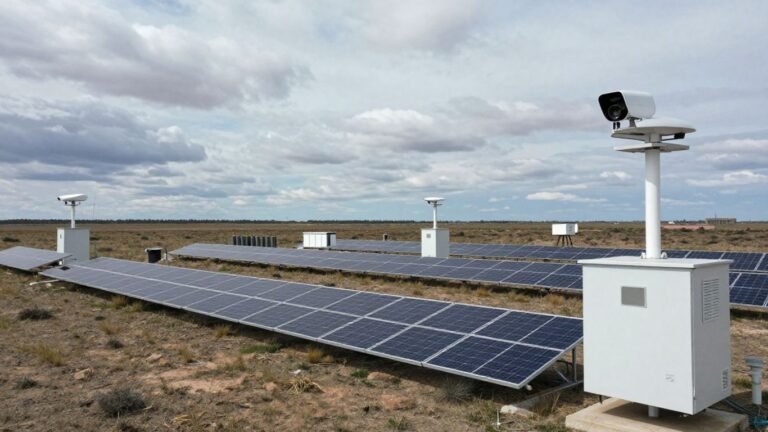
Assess solar and other local resources against their availability at the station, then compare them with dispatchable generation that can be called when needed. Each resource has a different operating profile, and no single component should be assumed to meet every goal. Consider land or roof area, equipment siting, access, maintenance, and grid-interconnection requirements as part of the comparison. The broader topic of how microgrids operate with or independently from the larger grid is covered in this explanation of microgrid operating principles.
Match renewable output to seasonal pumping demand
Compare renewable output across seasons with the station’s seasonal and weather-related pumping patterns. Annual energy totals can conceal a mismatch between when power is produced and when pumps need it. Use site-specific resource data and operating records to identify periods when renewable generation is likely to contribute and periods when other resources or storage must carry more of the load. MicroCityGrid covers decentralized energy systems for infrastructure applications; for this station, however, the right mix depends on measured site conditions rather than a generic resource profile.
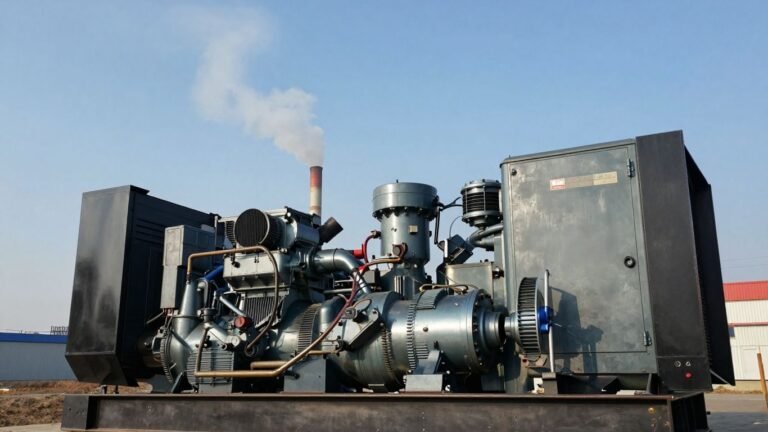
Size backup generators for coincident critical loads
Evaluate generator capacity against the critical loads that may operate at the same time, including the conditions required to start motors and respond to load changes. Avoid adding nameplate ratings without checking which equipment is expected to run together. The design should also examine what happens if a generator is unavailable, if the station’s required service changes, or if an outage lasts longer than planned. A project-specific engineering study is needed to confirm generator performance and redundancy assumptions.
Check fuel availability, operating limits, and emissions requirements
A generator’s nominal capacity does not guarantee that fuel will be available throughout an extended outage. Confirm on-site storage, delivery access, fuel type, operating limits, and any relevant emissions requirements with the project team and authorities. Consider how weather or transport disruption could affect replenishment. A practical review can be organized around four questions:
- Is the fuel source available under the outage conditions being planned for?
- Can deliveries reach the site during severe weather or access restrictions?
- Do operating limits or maintenance needs constrain runtime?
- What emissions permits or local requirements apply to the intended operation?
Answers should inform both the generation strategy and the outage plan. If fuel continuity is uncertain, the design should show how that uncertainty affects the service target rather than relying on an unstated assumption.
Size battery storage for the operating strategy
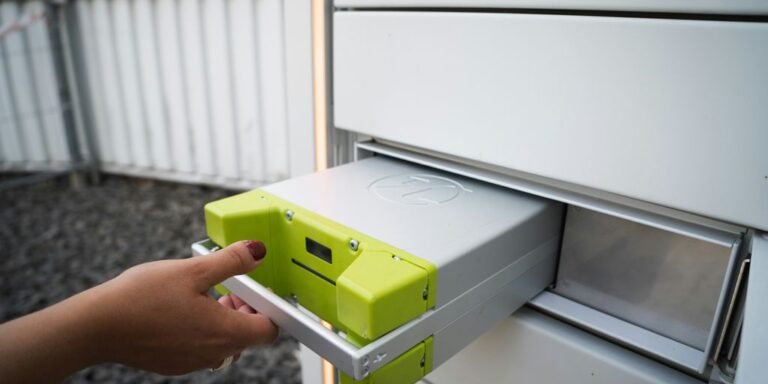
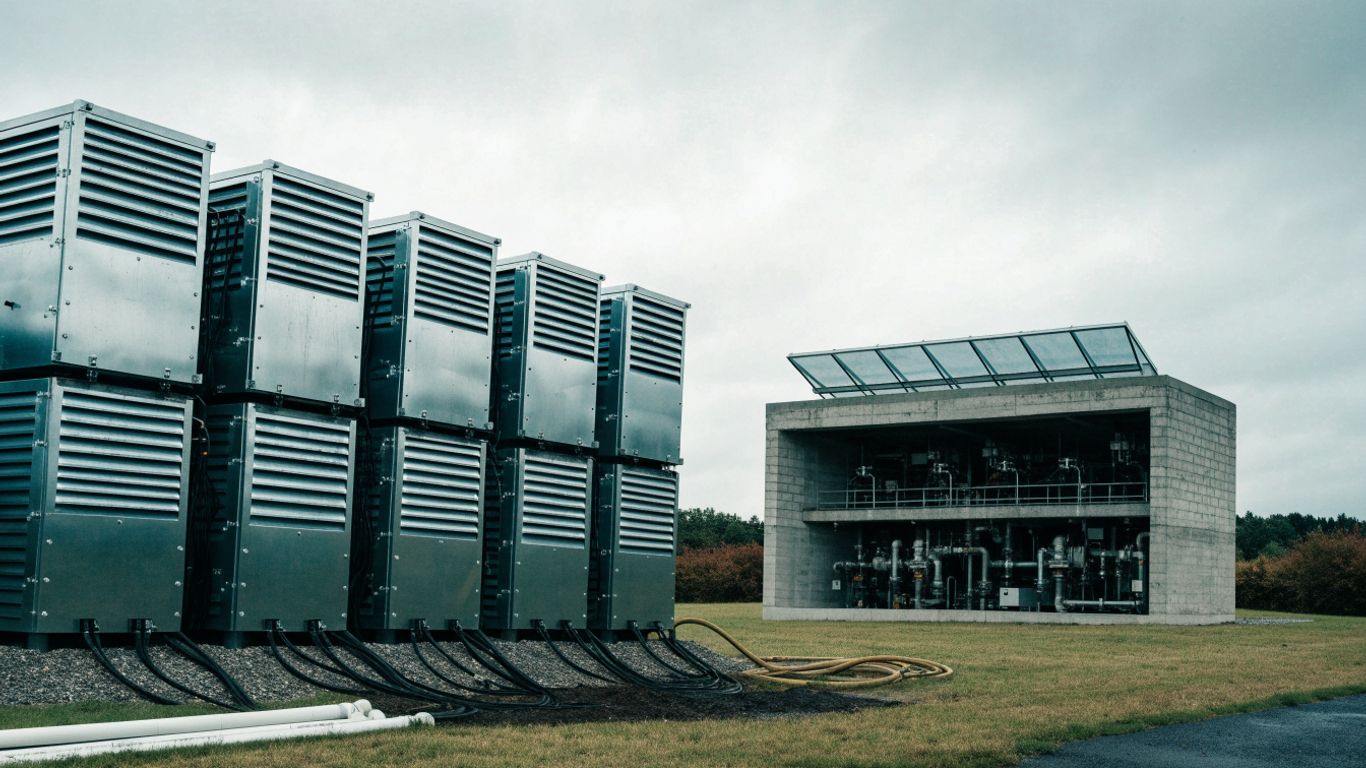
A battery can serve different purposes, from supporting a transition into islanded operation to shifting renewable energy or reducing peak demand. Those functions lead to different sizing requirements, so define the intended operating strategy before selecting battery power and energy ratings. Storage is not a substitute for understanding the station’s loads or its expected outage conditions.
Choose the battery’s role in backup, peak shaving, and renewable shifting
Choose which functions the battery must perform and how they interact. A battery assigned to backup may need to preserve energy for an outage, while peak shaving or renewable shifting may use some of that energy during normal grid-connected operation. Establish operating priorities and reserve rules so the controls do not spend capacity needed for resilience. A well-defined role is more useful than a battery size selected before the operating strategy is settled.
Calculate usable energy for the target outage duration
Estimate the energy required by the loads intended to remain powered over the target outage period, accounting for their expected schedules rather than assuming every load runs continuously. Then determine how much of the battery’s rated energy can be used under the proposed operating limits. The calculation should distinguish energy needed to maintain service from reserve energy held for uncertainty or recovery. Document assumptions about load, duration, and resource availability so reviewers can trace the result.
Check power capacity for motor starts and rapid load changes
Battery energy describes duration; battery power describes how quickly the system can supply or absorb electricity. Check the power rating against coincident loads, motor-start behavior, and rapid changes such as pumps switching on or off. The inverter and associated electrical equipment must also be compatible with the microgrid’s operating mode and protection design. Confirm transient performance with detailed engineering rather than inferring it from an energy-capacity figure.
Account for efficiency losses, reserve margins, and battery degradation
The usable energy delivered to loads is affected by conversion and operating losses, and available capacity may change over the battery’s service life. Include appropriate project-specific assumptions for those effects, along with a reserve margin tied to uncertainty in the load and outage scenarios. Do not treat a reserve as spare capacity that can be casually assigned to routine operation. The sizing record should make clear what capacity is available at the beginning of service and how the design addresses future reduction.
Design controls and electrical integration
A microgrid depends on coordinated controls and safe electrical integration as much as it depends on generation and storage ratings. The design must define how equipment responds to a utility disturbance, how the station prioritizes loads, and how operators understand system status. MicroCityGrid’s focus on practical infrastructure education includes explaining these system-level decisions without replacing project-specific engineering.
Select an operating mode for grid-connected and islanded operation
Specify how the system behaves while connected to the utility and what sequence it follows when it must operate independently. The design should consider the transition between modes, restoration of utility service, and whether the facility needs to start from a fully de-energized condition. Confirm the utility’s requirements and the capabilities of the proposed equipment before treating a transition as seamless. These operating definitions affect controls, protection, and equipment selection.
Plan load shedding and pump sequencing during constrained conditions
Describe which loads are reduced or disconnected when available power is constrained, and the order in which pumps may be brought back. Sequencing can help avoid an abrupt combined demand, but it must remain consistent with hydraulic and process requirements. Develop the rules with operations staff so the sequence preserves necessary service and can be understood during an emergency. The control strategy should also state who can override it and under what conditions.
Check switchgear, protection, grounding, and interconnection needs
Review switchgear ratings, protection coordination, grounding, and the point of interconnection as an integrated design problem. Changes in sources and operating modes can affect fault current and protection behavior, so the design needs detailed electrical studies rather than assumptions based on utility-connected operation alone. Utility approvals and equipment interfaces may also affect project scope and schedule. Keep the interconnection requirements visible early, while the system architecture can still be adjusted.
Define how operators will monitor and control the microgrid
Decide what operators need to see during normal service, an outage, and recovery. Monitoring should make the status of sources, storage, and critical loads understandable, while control access should follow the facility’s operating and safety procedures. Clear alarms and documented response steps matter as much as the display itself. The station team should review the proposed interface and practice the operating sequence before relying on it during an emergency.
Validate performance and refine the design
Sizing is an iterative process: the first model may reveal that an operating assumption or equipment combination needs to change. Test the design against a set of scenarios that represent both routine service and credible stress conditions. A microgrid feasibility study can help organize site data, costs, risks, and utility considerations before detailed design advances.
Simulate normal, peak-flow, and outage scenarios
Model normal grid-connected operation, peak-flow conditions, and utility outages using the same load priorities established earlier. Check whether generation and storage can support the intended service and whether transitions between operating states create problematic demand. Compare results with the original performance goals, not just with equipment ratings. If a scenario fails, revise the assumptions or design and run it again.
Test low-renewable and extended-outage conditions
Examine periods when renewable output is low and an outage lasts beyond the expected duration. Test fuel availability, battery reserves, load-shedding rules, and the consequences of equipment being unavailable. These scenarios reveal dependencies that an average-day model may miss. A resilient design should describe its limits clearly, including what service can be maintained if the worst-case assumptions occur together.
Compare lifecycle costs, fuel use, and resilience benefits
Compare alternatives over the same planning period and with consistent assumptions about equipment, operation, fuel, maintenance, and replacement. Include the value of avoided interruptions as a project-specific resilience consideration, not as a guaranteed financial return. A microgrid lifecycle cost analysis offers a related way to organize capital and operating costs alongside resilience value. Keep uncertain benefits distinct from costs that can be estimated from project information.
Confirm equipment sizing through detailed engineering and commissioning tests
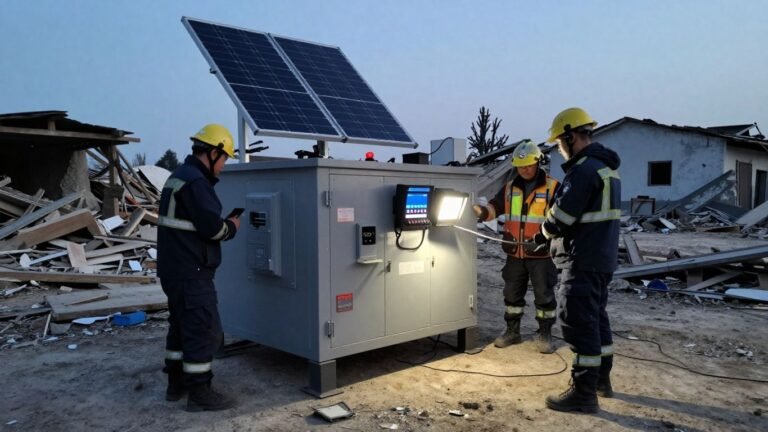
Before procurement and construction, confirm equipment ratings, protection, controls, and interconnection details through qualified engineering. Commissioning should verify that the installed system behaves as designed, including the operating sequences and transitions that matter during an outage. Operators should have clear procedures and training for normal conditions, constrained operation, and recovery. For MicroCityGrid readers, the central lesson is practical: a sizing model is only useful when its assumptions are checked against the completed system and the station’s real operating needs.
Conclusion
Sizing a microgrid for a wastewater pumping station means translating service priorities into a measured load model, then matching generation, storage, controls, and electrical integration to the operating conditions the facility must handle. The process is strongest when it accounts for wet-weather demand, motor behavior, fuel continuity, and extended outages from the start. Treat the resulting estimates as inputs to detailed engineering, utility coordination, and commissioning—not as a substitute for them.
Frequently Asked Questions
What information is needed to size a wastewater pumping station microgrid?
Start with interval electrical data, utility bills, equipment schedules, pump operating records, and the station’s service and outage requirements. Include motor and drive information, operating modes, and any constraints on fuel or site resources.
Should the microgrid be sized for average load or peak load?
Neither figure alone is sufficient. Model the loads that can coincide during critical operating conditions, including relevant motor starts and wet-weather pumping, then evaluate how flexible loads can be managed.
How long should a wastewater station microgrid run during an outage?
The target depends on local outage risks, the consequences of interrupted pumping, fuel availability, and the facility’s required service. Operators and engineers should define the duration and document the assumptions behind it.
Can solar power operate a pumping station during an outage?
Solar may contribute when resource conditions allow, but its output varies. Islanded operation also requires compatible controls and electrical equipment, and the design may need storage or dispatchable generation to support loads when solar output is insufficient.
What determines the size of a battery for a pumping station?
Battery sizing depends on the intended role, the loads to be served, required outage duration, power needed for starts and load changes, and usable energy after losses and reserves. Degradation over time should also be considered.
Why do motor starts matter in microgrid sizing?
Starting a motor can create a short-duration electrical demand that differs from its steady operating demand. The generation, inverter, and protection design should be checked for the actual starting method and expected combination of loads.
Does a microgrid eliminate the need for utility coordination?
No. Grid-connected operation and interconnection can involve utility technical requirements and approvals. The project should confirm those requirements early and incorporate them into electrical design and scheduling.