Oilfield Microgrids: Reliable Power for Remote Drilling Operations
Key Takeaways
An oilfield microgrid brings generation, storage, distribution, and controls together around the needs of a remote drilling site.
- Start with measured load data, not assumptions about average demand.
- Combine dispatchable generators with batteries and renewables where site conditions support them.
- Treat power quality as a drilling requirement, not merely an electrical preference.
- Use automation to coordinate generators, storage, loads, and remote support.
- Compare fuel, logistics, uptime, deployment, and expansion costs over the full project life.
What an oilfield microgrid is and why it matters
An oilfield microgrid is a locally managed power system that can combine generators, renewable generation, battery storage, electrical distribution, and supervisory controls. It may operate independently in a remote field or connect to a utility when that option exists. Unlike a loose collection of generators, it coordinates available resources around changing site demands. That makes the architecture useful where distance, unreliable grid service, and difficult fuel logistics can threaten drilling schedules.
How microgrids support remote drilling operations
Remote drilling sites rarely have a simple, steady electrical profile. A rig may move from relatively modest auxiliary demand to a sharp increase when heavy equipment starts or operating conditions change. A properly designed microgrid supplies power close to the work, manages those changes, and keeps essential equipment operating when the utility is absent or inadequate.
The value is operational as much as electrical. Fewer interruptions can protect schedules, while coordinated generation can reduce unnecessary fuel burn and generator wear. The planning principles are similar to those described in this guide to remote mining microgrids, where distance, changing loads, storage, and redundancy all shape the power strategy.
Core components of an oilfield microgrid
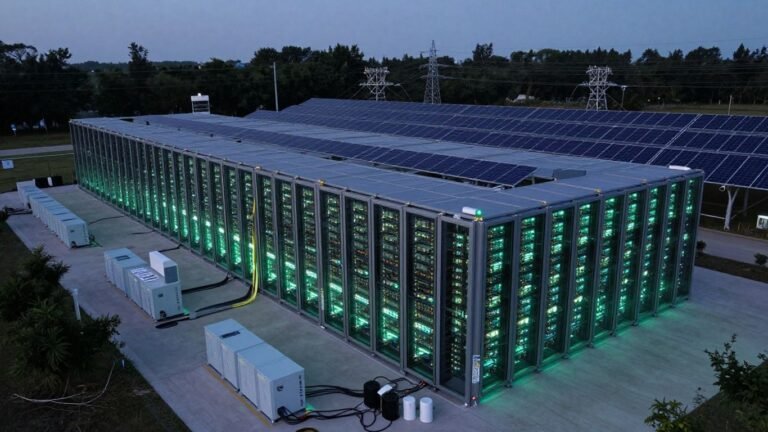
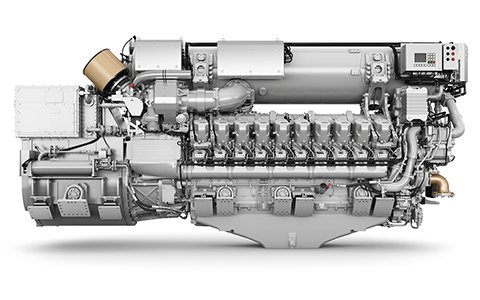
The core architecture starts with one or more dispatchable generators, usually fueled by diesel or natural gas, and a distribution system sized for the site voltage and current. Solar arrays or wind turbines can add energy when resource conditions are favorable. Battery energy storage can absorb or release power quickly, while inverters, switchgear, protection devices, meters, and a controller coordinate the system.
Each component has a defined job. Generation provides sustained energy, storage handles short-duration changes, distribution delivers power safely, and controls determine which resource should respond. The result is not necessarily a large or complicated installation; it is a coordinated electrical boundary designed around the rig and its supporting equipment.
How microgrids differ from traditional generator setups
A traditional setup may rely on several generators running in parallel, with operators manually starting, stopping, or balancing units. That approach can work, but it often leaves capacity online for occasional peaks. An oilfield microgrid adds measurement and coordinated control so the available equipment can be dispatched according to real demand.
It can also create more operating modes. The site may use generators as the primary source, blend them with solar or wind, charge batteries during lower-demand periods, or preserve stored energy for a planned transition. The difference is therefore less about one particular technology and more about how the resources work together.
The role of resilience, flexibility, and energy independence
Resilience means more than having a spare generator parked nearby. It includes fuel access, repair time, weather exposure, communications, spare parts, and the ability to isolate faults without taking down every load. Flexibility allows the system to adjust when drilling phases, site boundaries, or equipment selections change.
Energy independence can also be practical rather than absolute. A remote operator may still use a utility connection when available, but retain local generation and storage for interruptions or capacity constraints. For broader context on islanded operation and critical-load planning, this microgrid resilience guide offers a useful comparison across other essential facilities.
Designing an oilfield microgrid for field conditions
Field design begins with the site rather than a catalog of equipment. Engineers need load measurements, one-line diagrams, fuel information, geotechnical details, access constraints, and a clear understanding of how the drilling program will evolve. The best oilfield microgrid is sized for actual work patterns, not a generic rig profile.
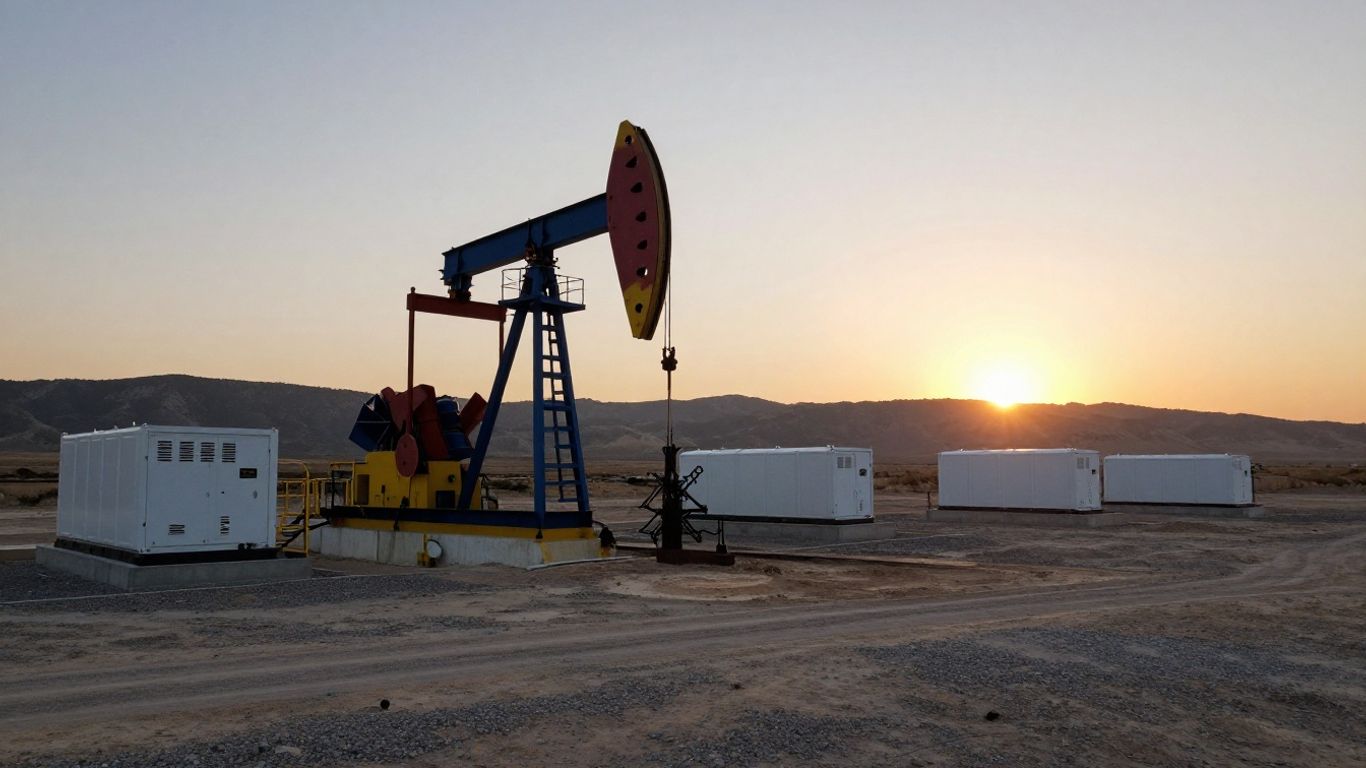
Environmental exposure then becomes part of the electrical design. Heat, cold, dust, vibration, altitude, mud, and limited road access can affect enclosures, cooling, maintenance intervals, and delivery plans. A system that performs well in a controlled yard may need a different arrangement once it reaches the lease road.
Assessing drilling loads and peak power demand
Begin by listing every connected load and its operating pattern. Top drives, mud pumps, hoisting systems, compressors, lighting, camps, water systems, instrumentation, and communications may not peak at the same time, but their interaction determines generator and distribution sizing. Starting currents and regenerative behavior also deserve attention.
Measured data from comparable drilling phases is more useful than an average figure alone. The design should identify continuous demand, short-duration peaks, standby requirements, and the consequences of losing each load. It should also reserve a realistic margin without inflating the system so much that generators run inefficiently for most of the project.
Accounting for harsh weather, dust, and terrain
The physical location can dictate the electrical layout. Dust may require filtered air paths and suitable enclosure protection, while high temperatures reduce cooling headroom. Cold weather affects starting, battery performance, and fuel handling. Uneven terrain can complicate cable routing, equipment foundations, drainage, and safe access for service crews.
Fuel and equipment movement matter too. A remote installation should account for road conditions, crane access, seasonal restrictions, and the time required to replace a failed component. Remote-site planning benefits from the same attention to localized supply chains and modularity described in this overview of resilient remote infrastructure.
Planning modular systems for temporary or expanding sites
Drilling locations change. A site may begin with exploration loads, add processing or water equipment, and later remove most of its infrastructure. Modular generation, storage, switchgear, and cable packages allow capacity to follow that progression instead of forcing the operator to install the final system on day one.
Modules should have clear interfaces and predictable commissioning steps. Containerized equipment can simplify transport, but the design still needs room for safe working clearances, ventilation, fire protection, grounding, and future tie-in points. Expansion is easier when the original distribution backbone and controls were designed with it in mind.
Balancing redundancy, portability, and installation requirements
Redundancy must reflect the loads that truly matter. N+1 generation may be appropriate for critical drilling functions, while nonessential facilities can accept a different arrangement. Portability, meanwhile, favors compact packages, standardized connections, and lifting provisions, but those choices may increase transport or installation costs.
A useful design review asks four practical questions before equipment is selected:
- Which loads must remain energized during a single equipment failure?
- How quickly can fuel, spare parts, and technical support reach the site?
- What equipment can be relocated as the drilling plan changes?
- Which installation tasks require specialist labor or a planned outage?
These answers turn redundancy from a vague target into an operating decision. They also help reconcile uptime goals with the realities of a temporary field installation.
Choosing the right power generation mix
There is no universal generation recipe for drilling. Fuel availability, local weather, rig duty cycle, emissions requirements, transport limitations, and project duration all influence the mix. Dispatchable equipment generally anchors the system, while renewable generation and storage can reduce fuel use or cover fast changes in demand.
The strongest designs compare resources over the full operating profile. A solar array may produce well during daylight but not during a night shift; wind may be valuable at one location and unreliable at another. Batteries can bridge those differences, though their duration, thermal management, degradation, and replacement plan must be explicit.
Natural gas and diesel generators for dependable baseload power
Natural gas and diesel generators remain useful because they can provide sustained power when renewable output is unavailable. Diesel may be easier to deploy where liquid-fuel logistics already exist, while natural gas can be attractive where a dependable gas supply is close to the site. Either choice requires attention to fuel quality, storage, refueling, emissions, maintenance, and spare capacity.
Baseload does not mean every generator should run continuously. Multiple units can be sequenced so that the active fleet better matches demand, with reserve capacity available for starting events or failures. The practical choice depends on the whole fuel chain, not simply the rated output of the engine.
Solar and wind generation for fuel reduction
Solar and wind can supply useful energy without the recurring delivery of liquid fuel. Their contribution depends on the resource, available land, construction schedule, weather exposure, and the electrical controls used to manage variability. Solar is often easier to forecast on a daily basis, while wind may extend production into periods when solar output falls.
Renewables should be evaluated against the rig’s operating hours and the cost of curtailment. Oversizing generation without enough storage or flexible loads can leave energy unused. A hybrid design can instead prioritize renewable output when available and retain dispatchable units for low-resource periods.
Battery energy storage for peak shaving and backup
Batteries respond quickly, which makes them useful for peak shaving, short interruptions, generator assistance, and smoother transitions between operating modes. They may let the system avoid starting another generator for a brief peak or reduce the time that lightly loaded engines remain online.
Storage is not a substitute for every form of backup. The required duration, recharge opportunity, temperature range, fire protection, power-conversion equipment, and end-of-life plan all affect its value. A battery sized for a starting transient is a different asset from one intended to carry a critical load through a prolonged outage.
Hybrid systems for variable drilling loads and limited fuel access
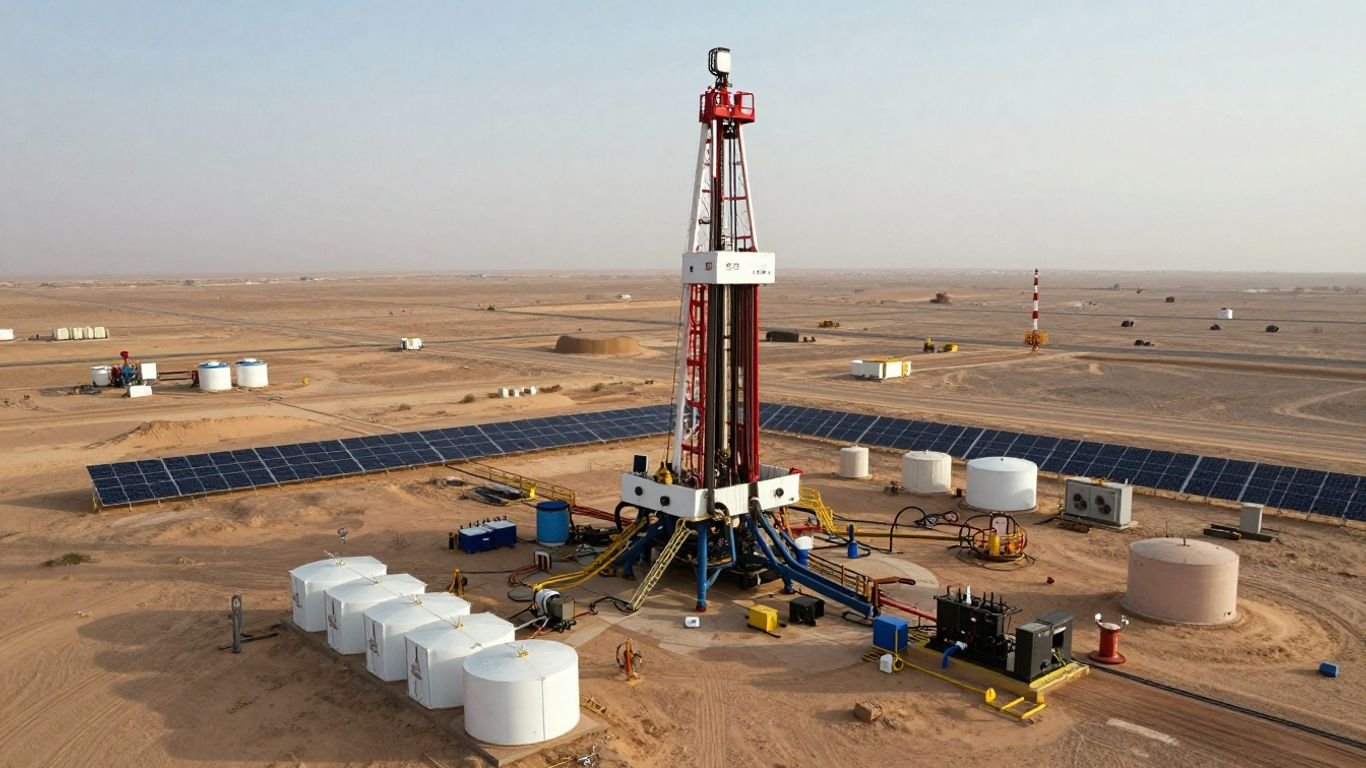
Hybrid systems make the most sense when loads vary significantly or fuel deliveries are expensive and uncertain. Generators can cover sustained demand, renewables can reduce fuel consumption, and batteries can handle rapid changes. The controller must preserve operating reserves rather than chasing every small fluctuation.
For comparison, this overview of hybrid microgrid systems discusses how generation and battery storage can be coordinated for flexibility, peak shaving, load shifting, and backup. The same concepts can inform an oilfield design, but the final configuration still depends on the drilling site’s measured loads and fuel conditions.
Managing power quality and critical drilling loads
Drilling equipment is sensitive to the way power is delivered, not just to whether power is present. Voltage dips, frequency changes, harmonics, unbalanced phases, and poorly controlled switching can interrupt drives or damage sensitive equipment. A power-quality plan should therefore be developed alongside the generation plan.
Criticality is equally important. The rig may contain loads whose interruption creates a safety concern, others that cause expensive delays, and others that can wait. Defining those categories early helps engineers select protection, ride-through, storage, and restart sequences that are proportionate to the consequences.
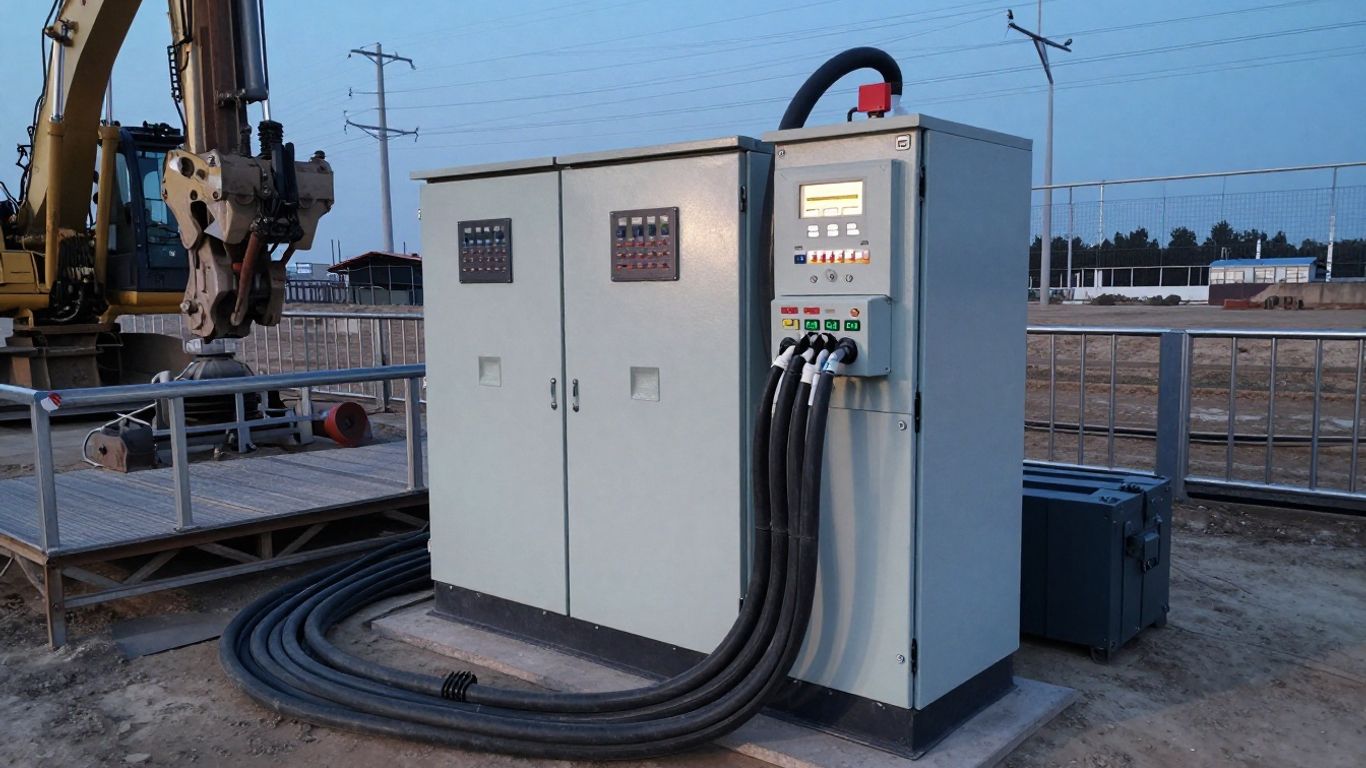
Supporting top drives, mud pumps, and other heavy equipment
Top drives, mud pumps, hoists, compressors, and auxiliary systems can impose large and changing electrical demands. Their duty cycles should be modeled individually, then combined into realistic operating scenarios. The distribution system must handle the current, fault levels, cable distances, and environmental conditions associated with those loads.
Power electronics and variable-speed drives may improve process control while introducing harmonic or reactive-power considerations. The design should follow the equipment manufacturer’s requirements and verify performance during commissioning rather than assuming that nameplate ratings tell the whole story.
Handling motor starting and sudden load changes
Motor starting can create a short, high current that causes voltage sag if the source is undersized or poorly controlled. Large drives may also change demand quickly as drilling conditions shift. Batteries, properly sized generators, soft starters, variable-frequency drives, and staged sequencing can each help, depending on the equipment and control philosophy.
Testing should reproduce credible transitions. Operators need to know what happens when a major pump starts, a generator trips, or a large load returns after a fault. Power quality protects continuity by reducing nuisance trips and keeping the electrical system within the limits required by connected equipment.
Protecting sensitive controls and communications systems
Instrumentation, programmable controls, networking equipment, and communications systems may draw little power but remain operationally important. They can be affected by transients and interruptions that heavy motors tolerate. Segregated circuits, suitable grounding, surge protection, uninterruptible power supplies, and carefully coordinated protection can provide a cleaner supply.
The separation should be documented in the one-line diagram and verified in the field. Communications also need a plan for loss of the control network, since a microgrid should fail in a predictable and safe manner rather than depend on a single remote connection.
Separating critical, essential, and nonessential loads
Load classification gives the controller and operators a clear priority order. Critical loads may include safety, control, and equipment needed for a controlled drilling state. Essential loads support ongoing operations but may be curtailed temporarily, while nonessential loads can be disconnected during constrained conditions.
A simple operating table can make those decisions visible to everyone involved in design and field response:
| Load class | Typical role | Response during scarcity |
|---|---|---|
| Critical | Safety, control, and controlled shutdown functions | Preserve whenever technically possible |
| Essential | Drilling support and selected auxiliaries | Curtail briefly or sequence carefully |
| Nonessential | Comfort, convenience, or deferred work | Disconnect first |
This classification should be tested through simulated events. If crews understand which loads will drop and why, recovery becomes faster and less disruptive.
Using controls and automation to optimize the microgrid
Controls turn a group of electrical assets into an operating system. A controller measures generation, storage, voltage, frequency, and load status, then applies rules for dispatch, protection, and transitions. Automation can reduce manual coordination, but it should make decisions understandable to field crews.
The control strategy also needs defined boundaries. Operators should know which actions are automatic, which require approval, and what happens when measurements or communications are unavailable. Clear fallback modes are essential for remote sites.
Microgrid controllers and supervisory energy management
A microgrid controller can coordinate generators, batteries, renewable resources, switchgear, and prioritized loads according to configured operating objectives. Supervisory energy management may use those measurements to maintain reserve, reduce unnecessary generator operation, or prepare for islanded operation.
The system should be designed around the site’s actual modes: normal operation, constrained generation, equipment failure, planned maintenance, and recovery. Interfaces should present alarms and status in a way that supports decisions rather than overwhelming the operator with raw data.
Load forecasting and generator dispatch
Forecasting does not need to be perfect to be useful. A schedule based on drilling phase, shift pattern, weather, and known equipment activity can help determine how many generators should run and when storage should charge. Real-time measurements then correct the plan as conditions change.
Dispatch rules should account for minimum loading, ramp rates, reserve margins, fuel status, battery state of charge, and maintenance priorities. The objective is not simply to minimize generator hours; it is to meet demand reliably at a sensible total operating cost.
Remote monitoring, diagnostics, and alerts
Remote monitoring gives technical teams visibility into equipment that may be hundreds of miles from a service center. Useful data can include engine status, fuel levels, battery temperature, state of charge, breaker position, power quality, and active alarms. Trends are often more valuable than isolated readings because they can reveal deterioration before a failure.
Alerts should be prioritized and actionable. A crew needs to distinguish an immediate shutdown risk from a maintenance reminder. For another remote-site perspective, this construction microgrid monitoring guidance describes how feasibility work, hybrid equipment, and remote oversight fit together.
Cybersecurity for connected oilfield power systems
Connected controls introduce cybersecurity responsibilities alongside their operational benefits. Access should be limited by role, remote connections should be protected, and software and configuration changes should be recorded. The system should also retain safe local operation if a supervisory link is lost.
Cybersecurity belongs in procurement, commissioning, maintenance, and emergency planning. Backups of configurations, tested recovery procedures, network segmentation, and crew awareness can reduce the effect of a compromised account or unavailable communications path.
Evaluating the business case for an oilfield microgrid
A business case should compare the microgrid with the realistic alternatives available at the site. That may include additional standalone generators, utility extension, a rental package, or a different drilling schedule. Capital cost is only one part of the comparison; fuel delivery, maintenance, downtime, mobilization, emissions, and demobilization can dominate a remote project.
The analysis should use operating scenarios rather than one optimistic forecast. Model low, expected, and high demand, along with fuel-price changes and equipment outages. This makes the decision more transparent and shows which assumptions most influence the result.
Comparing fuel, maintenance, and logistics costs
Fuel consumption depends on generator loading, dispatch strategy, renewable output, battery use, and idling practices. Logistics add the cost of transport, storage, handling, security, and the risk of delayed delivery. Maintenance includes scheduled service, consumables, technician travel, replacement parts, and the consequences of deferred work.
A fair comparison includes the cost of keeping spare capacity available. A smaller system may have a lower purchase price but leave less room during a failure or peak event. Conversely, excessive capacity can create inefficient operation and unnecessary transport burden.
Measuring uptime, fuel savings, and emissions reductions
Uptime should be defined before it is measured. Operators may track unplanned outage hours, controlled-load interruptions, failed starts, recovery time, and the availability of critical functions. Fuel savings should be compared with a documented baseline under similar drilling conditions.
Emissions estimates need the same discipline. Record generator runtime, fuel consumed, renewable energy delivered, battery throughput, and any curtailed energy. A reported reduction should describe the project and baseline that produced it, not imply a universal result for every oilfield microgrid.
Accounting for rental, ownership, and deployment models
Rental can align energy equipment with a short drilling campaign and reduce the need to retain specialized assets after demobilization. Ownership may make more sense for repeated projects, longer field life, or a portfolio of sites that can share equipment. Hybrid arrangements can combine owned distribution or controls with rented generation and storage.
Deployment timing matters as much as financing. A system that arrives late can erase the value of its projected savings, while a modular package may carry a premium that is justified by faster installation. The business case should include mobilization, commissioning, removal, and redeployment.
Calculating payback across short-term and long-term projects
Payback is straightforward only when project duration and operating conditions are stable. For short campaigns, avoided fuel and downtime may matter more than long-term asset utilization. For extended operations, maintenance savings, replacement cycles, degradation, financing, and residual value deserve a place in the model.
Use sensitivity analysis rather than one headline number. Vary fuel prices, runtime, renewable availability, battery replacement timing, outage costs, and expansion needs. That approach shows whether the decision remains sound when the drilling plan changes.
Implementing and operating an oilfield microgrid
Implementation is where a well-designed concept becomes a working field system. The project needs a responsible owner, a commissioning sequence, documented acceptance criteria, and a clear handoff to operations. Safety, permits, grounding, protection, fuel handling, and emergency access should be addressed before equipment arrives.
Operations should be treated as part of the design, not as a final training task. Remote power systems perform best when crews understand normal behavior, alarm priorities, manual fallback, and the limits of each asset. Continuous feedback can then improve later deployments.
Conducting site assessments and commissioning
A site assessment should verify load data, equipment locations, cable routes, fuel access, environmental exposure, communications coverage, and emergency response constraints. Commissioning should progress from component checks to controls testing, protection verification, synchronization, load trials, and simulated failure scenarios.
Acceptance records should capture measured voltage, frequency, protective settings, generator response, battery behavior, alarms, and restart sequences. Those records provide a baseline for troubleshooting and future expansion.
Integrating the system with existing field equipment
Integration starts with a clear interface list. Existing switchgear, transformers, drives, control panels, generators, and distribution equipment may have different ratings, protocols, grounding arrangements, or protection assumptions. The microgrid must respect those boundaries and preserve safe isolation points.
Functional tests should confirm that the new system can start, stop, shed, restore, and protect loads as intended. Operators should also verify that an old manual operating procedure still makes sense after the control system is introduced.
Maintaining generators, batteries, and renewable assets
Maintenance plans should match the environment and duty cycle. Generators need scheduled inspections, fluid and filter service, cooling-system care, and periodic load testing. Batteries require monitoring for temperature, state of health, ventilation or thermal systems, enclosure condition, and safe isolation.
Solar and wind assets need inspection for soiling, physical damage, connections, foundations, and weather-related wear. Maintenance data should flow back into dispatch and replacement planning so the system does not quietly lose capacity over time.
Training crews and preparing emergency procedures
Training should use the actual equipment and likely field scenarios. Crews need to recognize normal startup, understand alarm levels, isolate equipment safely, respond to a generator trip, manage a low battery state, and communicate with remote support. Short drills are often more useful than a single dense classroom session.
Emergency procedures should cover fire, fuel loss, flooding, severe weather, communications failure, electrical faults, and controlled shutdown. Contact lists, access routes, spare-equipment locations, and restart authority should be current and available when the site is under pressure.
Scaling the microgrid as drilling requirements change
A drilling program can add loads, move equipment, change shifts, or transition from one phase to another. Expansion planning should reserve physical space, cable capacity, protection flexibility, controller points, and communications bandwidth. It should also define when the original architecture has reached its practical limit.
Periodic reviews keep the system aligned with reality. Compare new load measurements with the original model, inspect operating trends, and revise dispatch priorities as equipment changes. That discipline allows the oilfield microgrid to evolve without turning every change into a full redesign.
Conclusion
An oilfield microgrid is most valuable when it is designed as an operating strategy rather than a collection of power assets. By matching generation, storage, controls, protection, and load priorities to field conditions, operators can build a more predictable foundation for remote drilling and make better decisions about fuel, uptime, logistics, and future growth.
Frequently Asked Questions
What is an oilfield microgrid?
An oilfield microgrid is a locally managed power network that combines one or more generation sources with distribution, controls, and possibly energy storage to serve a drilling or production site.
Can an oilfield microgrid operate without utility power?
Yes. A system designed for off-grid operation can use dispatchable generation, storage, and renewable resources to supply site loads independently, provided it is properly sized and commissioned.
Which loads should receive priority on a drilling site?
Safety systems, controls, communications, and equipment needed for a controlled operating state usually receive the highest priority. Other drilling support loads can be classified below them according to operational consequences.
Are batteries useful for oilfield power systems?
Batteries can respond quickly to peaks, starting events, short interruptions, and generator transitions. Their usefulness depends on power rating, duration, temperature, recharge opportunities, safety design, and lifecycle cost.
Do renewables eliminate the need for generators?
Usually not for a remote drilling site with variable or continuous demand. Solar and wind can reduce fuel use, but dispatchable generation or sufficient storage is generally needed during low-resource periods and extended high demand.
How is an oilfield microgrid sized?
Sizing uses measured load profiles, peak and starting demand, criticality categories, environmental conditions, redundancy targets, fuel availability, and expected changes to the drilling program.
What should be included in a microgrid business case?
Include equipment, mobilization, fuel, maintenance, logistics, downtime exposure, emissions, financing, rental or ownership costs, commissioning, demobilization, replacement cycles, and expansion requirements.